Chocoflan (Impossible Cake)
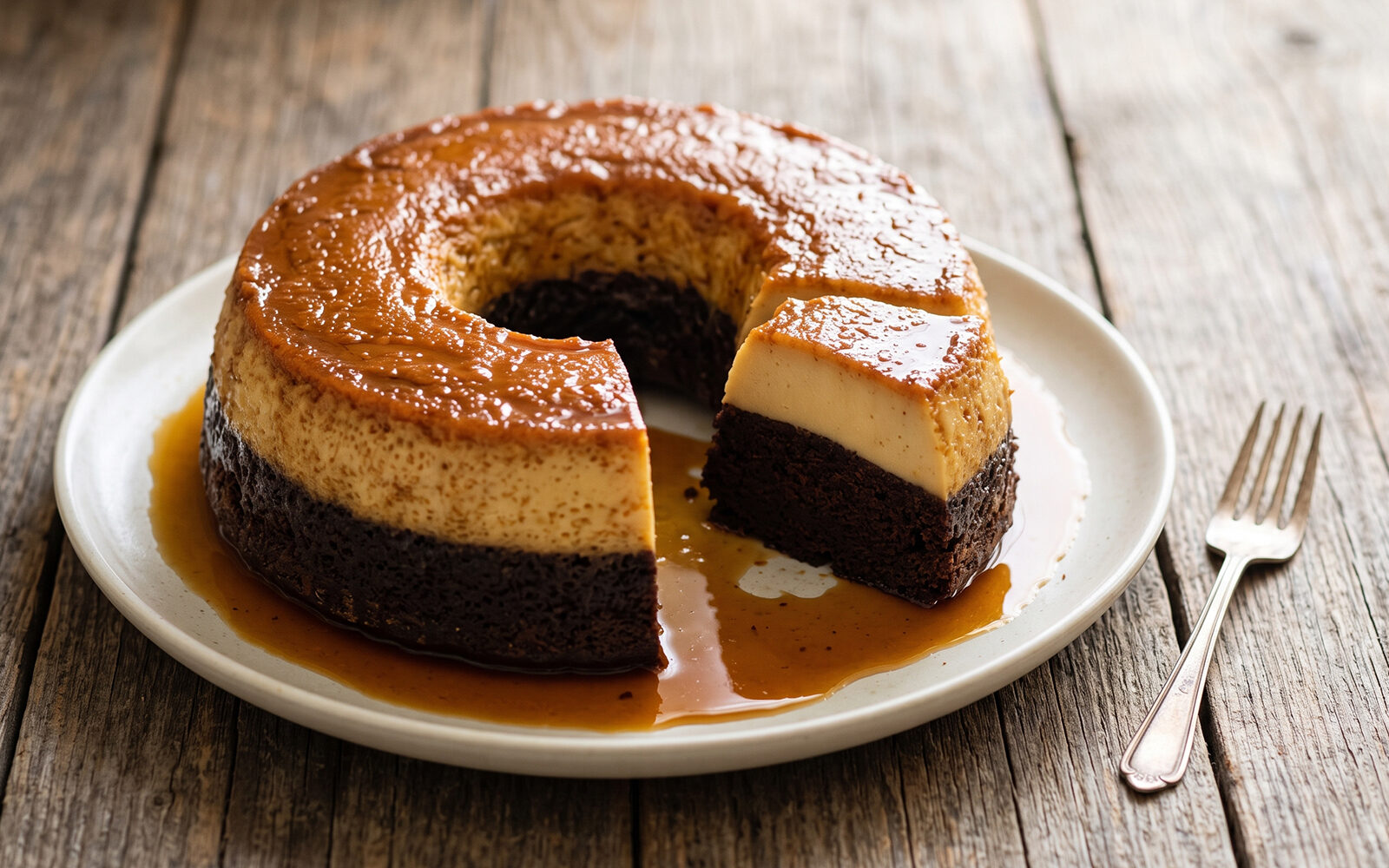
Chocoflan earns its nickname — the impossible cake — from what happens inside the pan while it bakes. You pour caramel, then chocolate cake batter, then flan custard into the mold in that order, but the custard is denser than the cake batter, so as everything bakes the two layers swap places: the flan settles toward the bottom and the cake rises to the top. Once it's chilled and turned out onto a plate, you get a clean cross-section of both desserts in a single ring-shaped cake, caramel cascading down the sides. It's traditionally baked in a tube-style pan, which makes a ring cake mold a natural fit — the same even, gentle heat that works for a solid flan works here too.
For the caramel
For the chocolate cake layer
For the flan layer
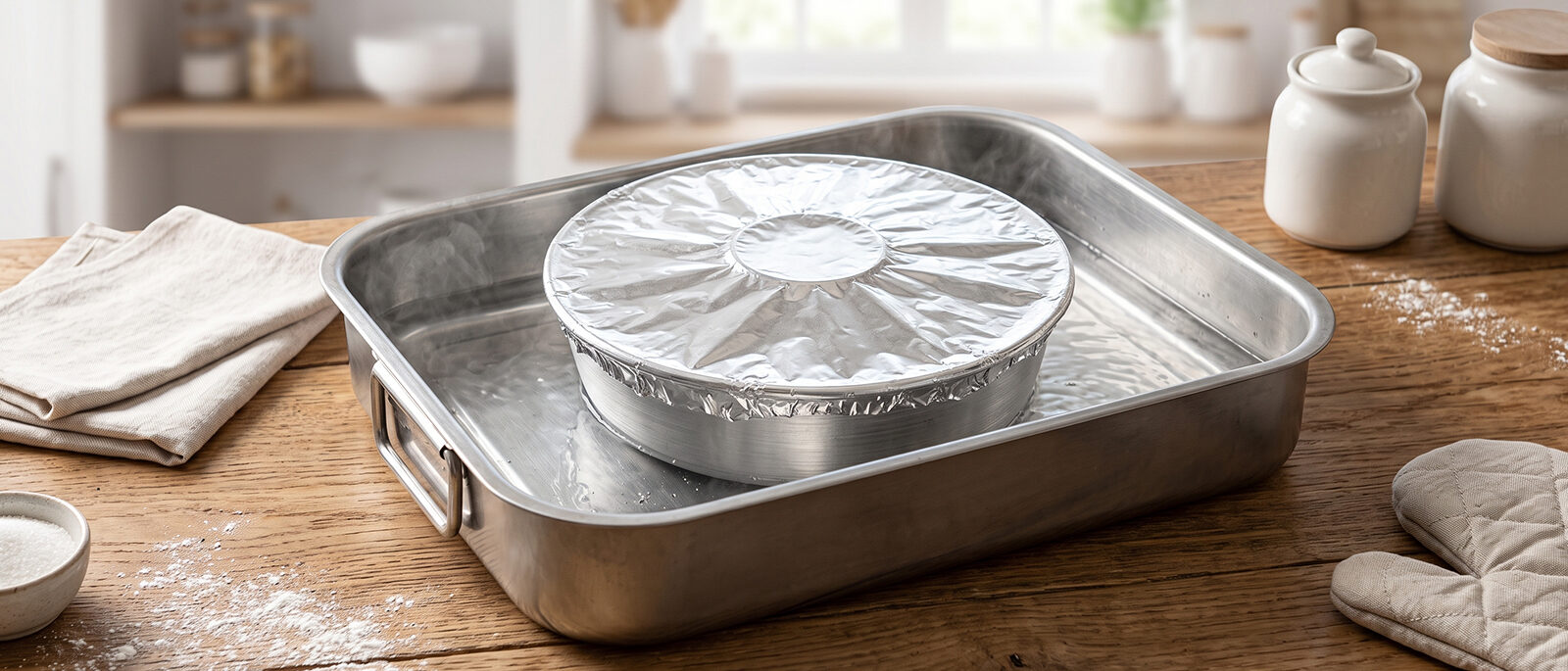
Pour the flan layer slowly over a spoon so it doesn't tear through the cake batter beneath it — that gentle pour is what keeps the two layers distinct instead of swirling together. This recipe was written for a ring cake mold, but it uses the same water-bath principle as a traditional flan mold; if you already own a lidded flanera, it will also work here.
Chocoflan's two stacked layers take up more room than a single-layer flan, so a larger pan gives you more headroom in the water bath. Here's how the three Globe Rocket sizes compare.
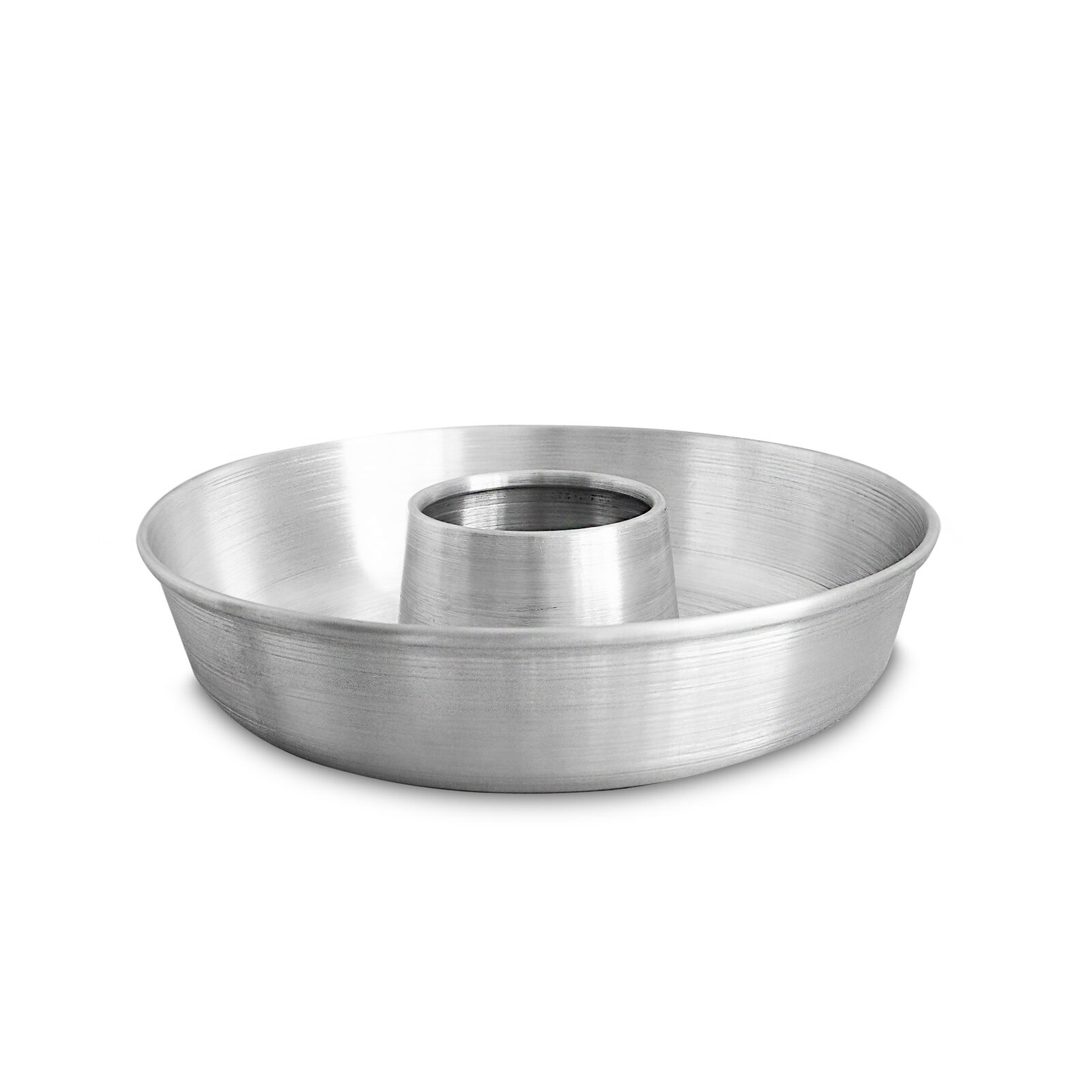
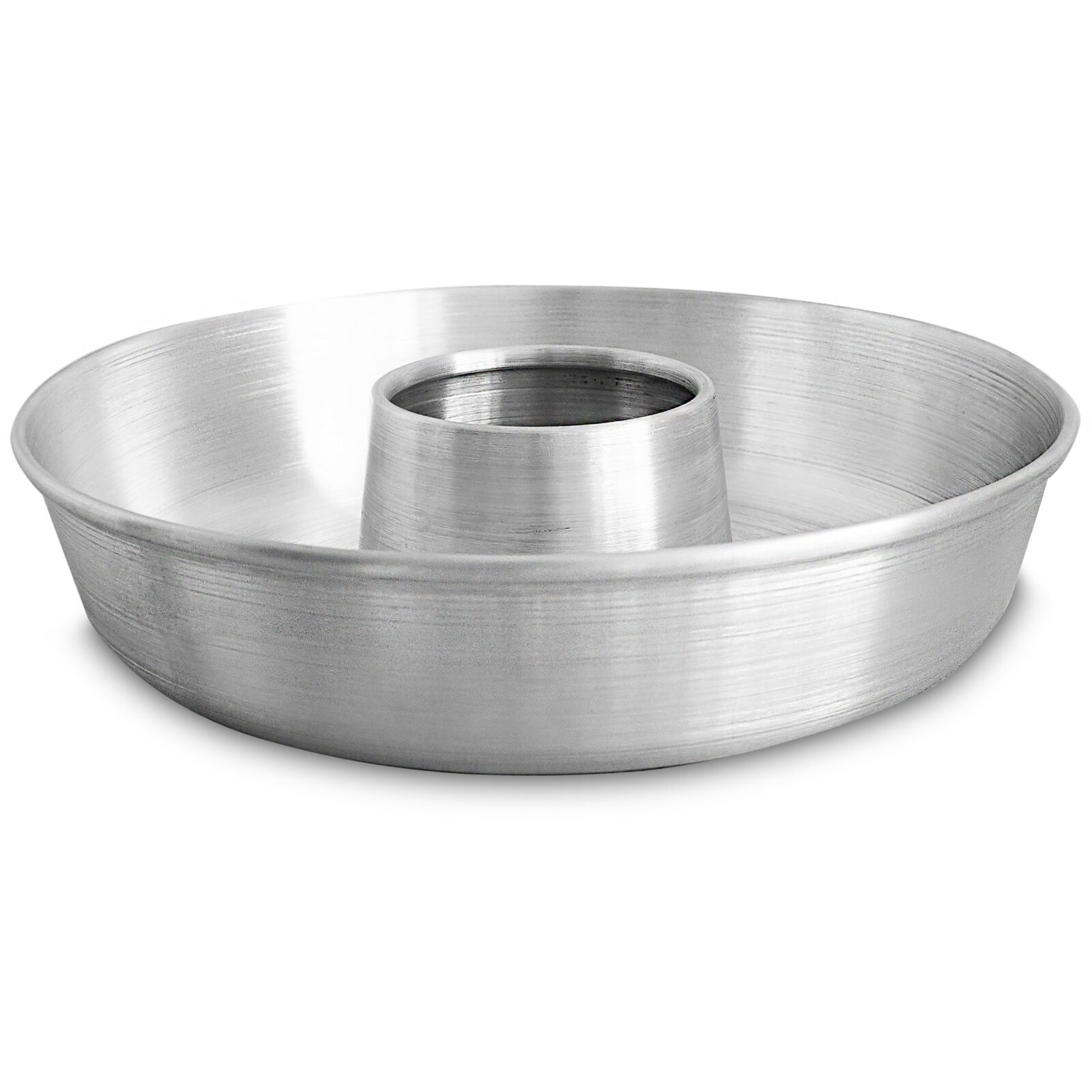
See every ring cake mold recipe we've collected, learn more about the crossover with flan, or find the right size Globe Rocket ring cake pan.
See All Recipes Read the Chocoflan Guide Back to Ring Cake Molds Hub