Recipes

Authentic Flan Recipes: Traditional Favorites from Mexico and Around the World
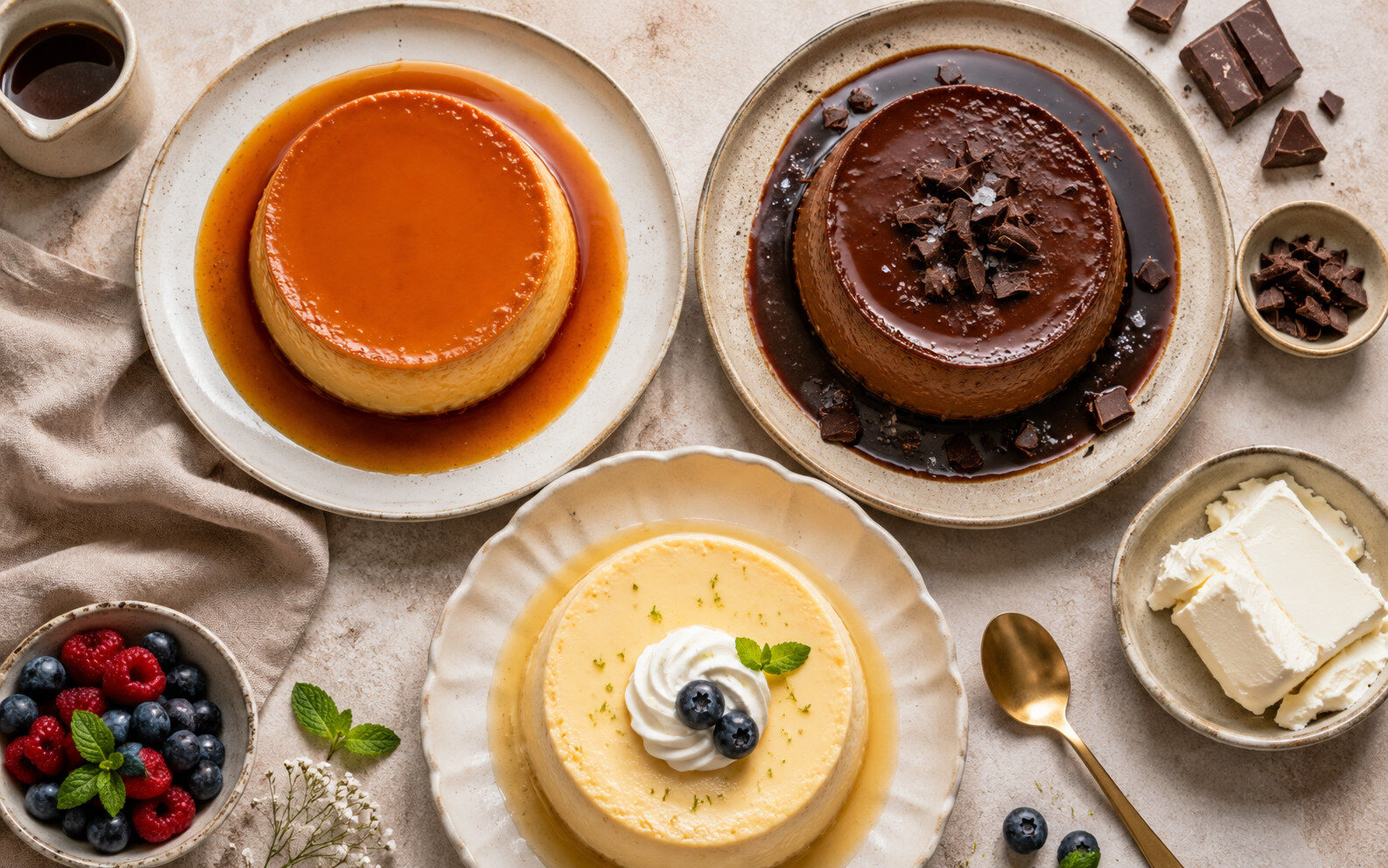
Three flans plated together: classic caramel flan, chocolate flan with sea salt, and a citrus cream flan with whipped cream and berries

Ask a home cook in Mexico City, Caracas, or Manila how they make flan, and you'll get a different answer every time. Some swear by whole eggs and whole milk, cooked low and slow the way their grandmother did. Others reach for sweetened condensed milk, a block of cream cheese, or a splash of rum, adapting the same basic custard to whatever was on hand in their own kitchen. Every one of these cooks is making an authentic flan — the dessert has simply been carried, translated, and personalized by whichever hands it passed through over the generations.

That's exactly why this page exists: to bring together real, traditional flan recipes from Mexico and beyond in one place, rather than pushing a single "correct" version. You'll find Globe Rocket's own signature recipe alongside classic regional favorites like Venezuelan quesillo, with more authentic variations — from Cuban flan de queso to Filipino leche flan — being added as this collection grows. Think of it as a living recipe box rather than a one-time recipe post.

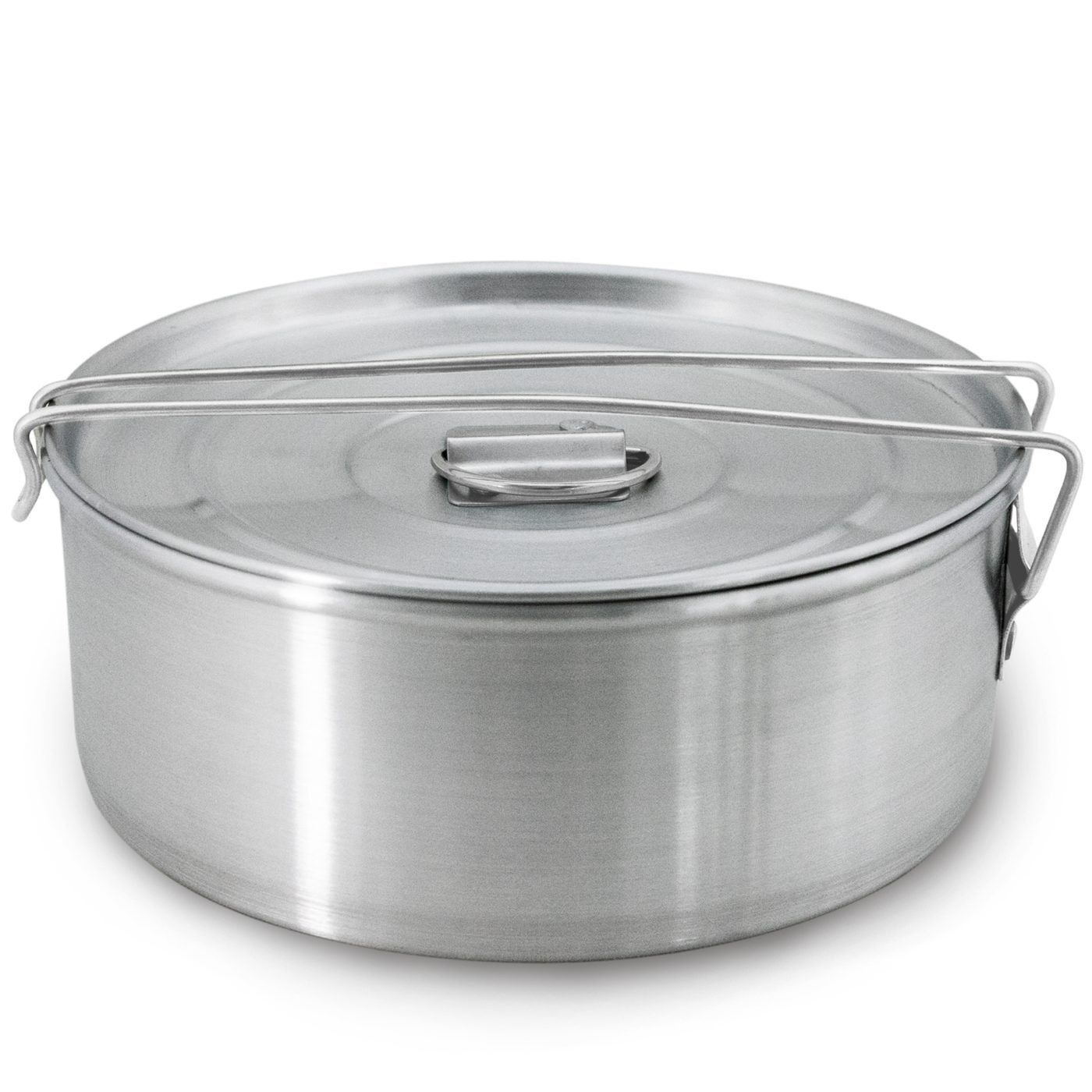
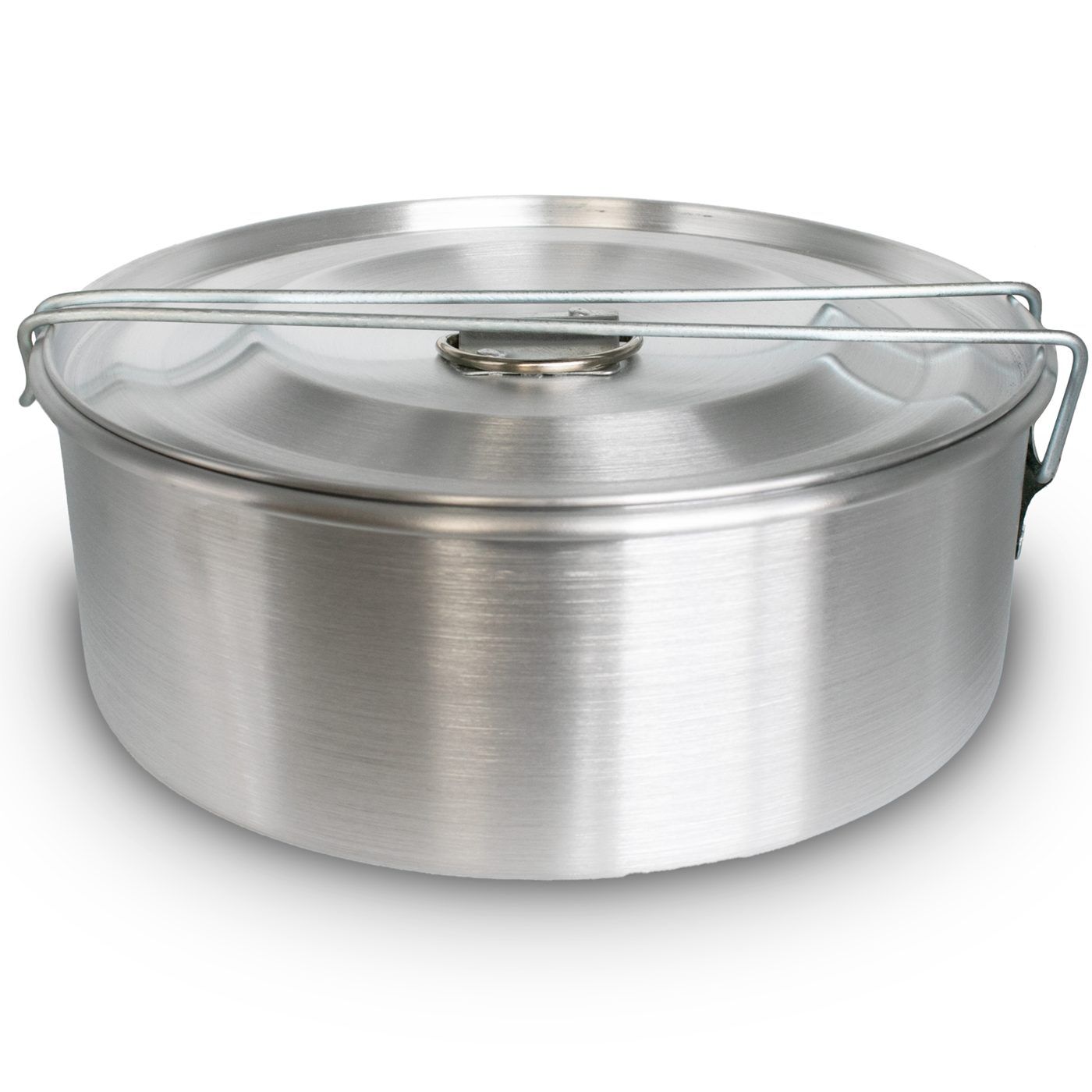
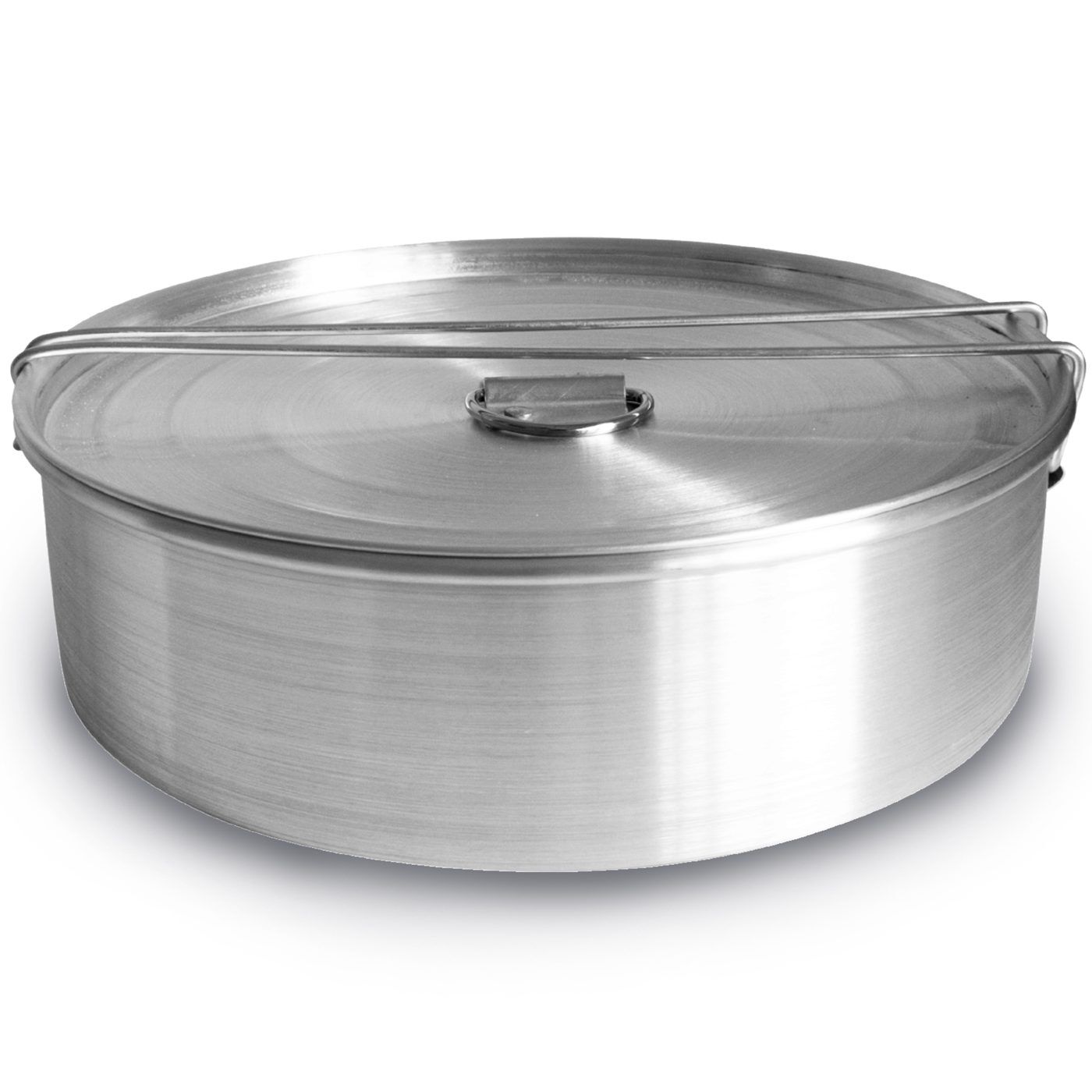
Every Globe Rocket flan mold is designed with these traditional recipes in mind — sized and shaped the way flaneras have been made throughout Latin America for generations, with a snug-fitting lid built for a proper water bath. Whichever recipe you choose below, your mold is ready for it, and the tips and sizing guide further down this page will help you get consistent, reliable results from your very first bake.
Section 1

Featured Authentic Flan Recipes

Start with a recipe below, or come back as new regional favorites are added. Each card links to the full recipe with ingredients, step-by-step instructions, and any mold-size adjustments.

Cards marked Coming Soon are recipes we're actively developing and photographing so they meet the same standard as the recipes already published below. Check back as this collection continues to grow, or dig into what's available today.

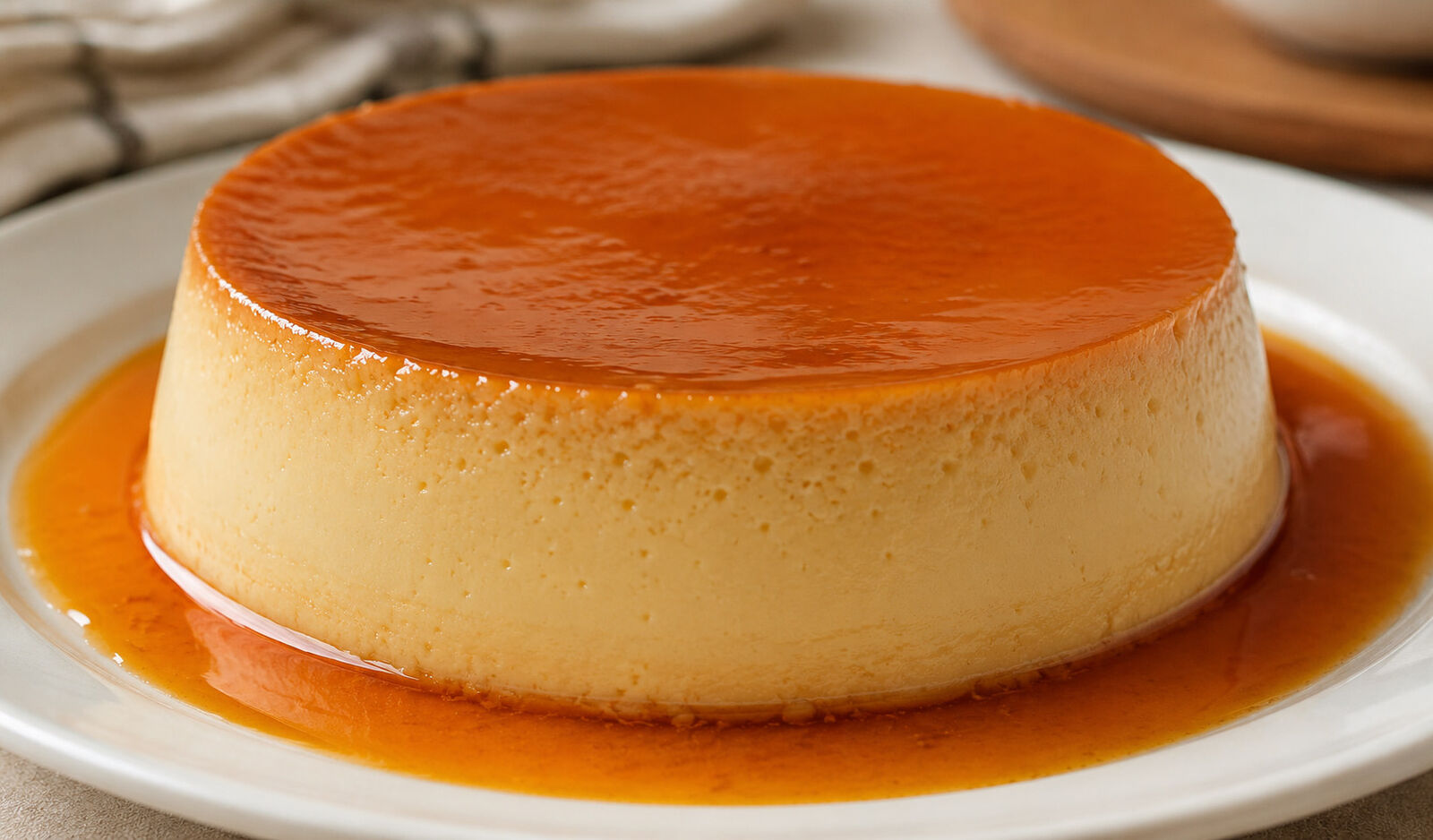
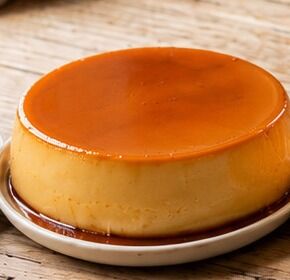
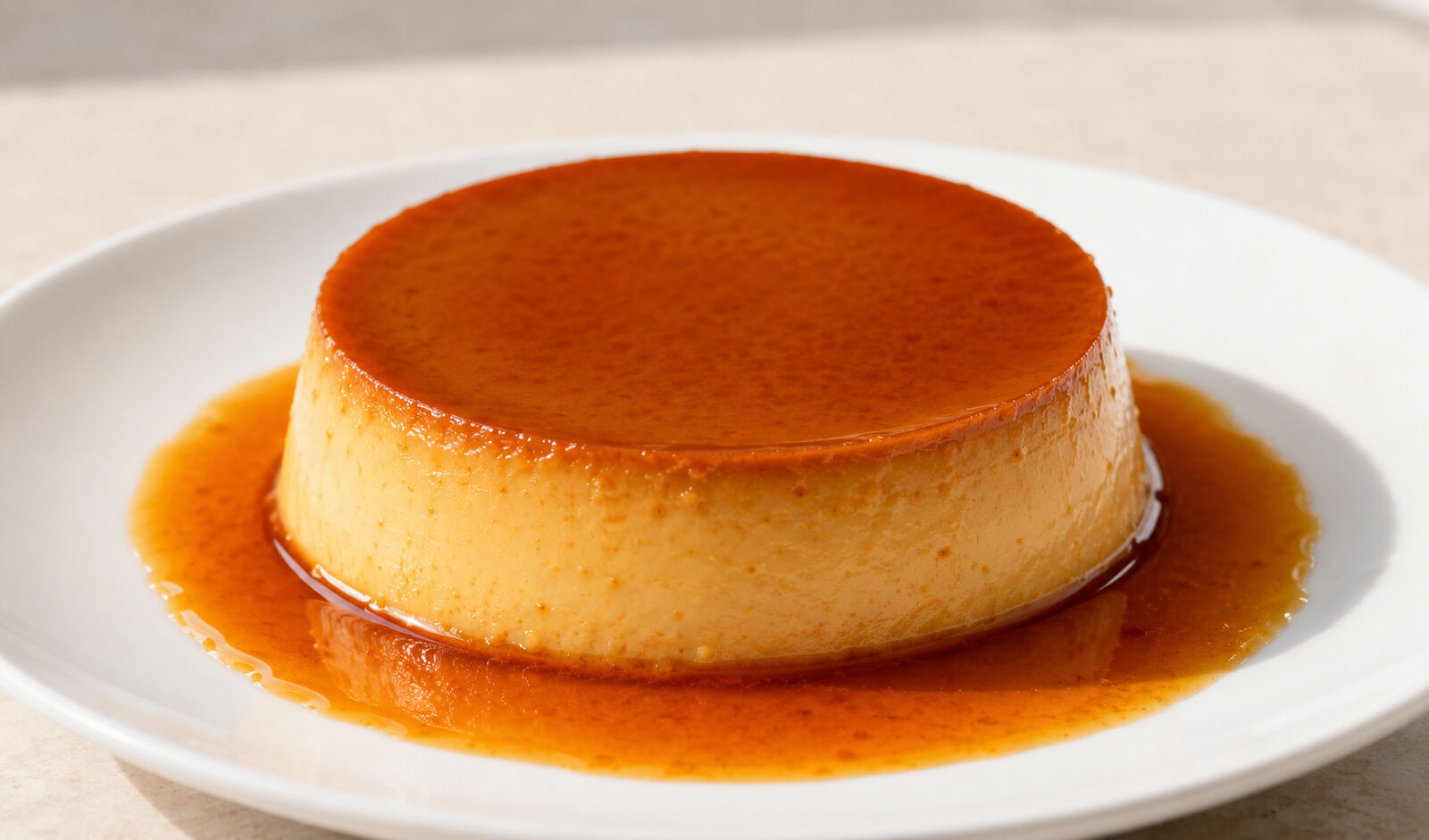
Easy Bake Creamy Caramel Flan, unmolded on a plate with caramel sauce
Featured Recipe

Easy Bake Creamy Caramel Flan

Globe Rocket's signature recipe — the same one included with every flan mold. Five simple ingredients, one bowl, and a foolproof water bath bake make it the easiest way to get a perfect, creamy result on your first try. It includes versions scaled for the Medium, Large, and X-Large mold, so the ratios stay correct no matter which size you own.

Beginner-Friendly Prep: 15 min Cook: 1 hr 20 min 8–10 servings
View Recipe →
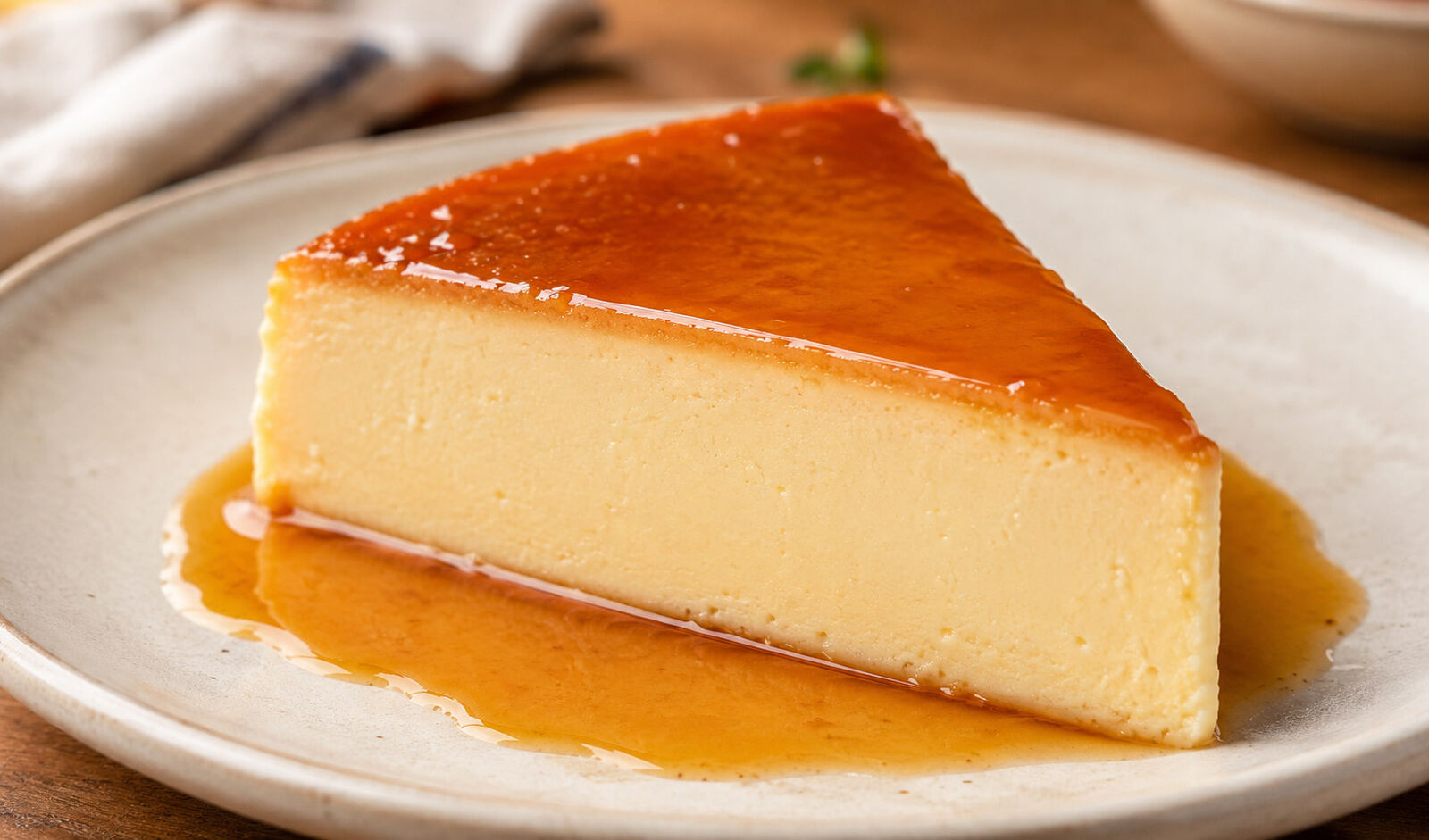
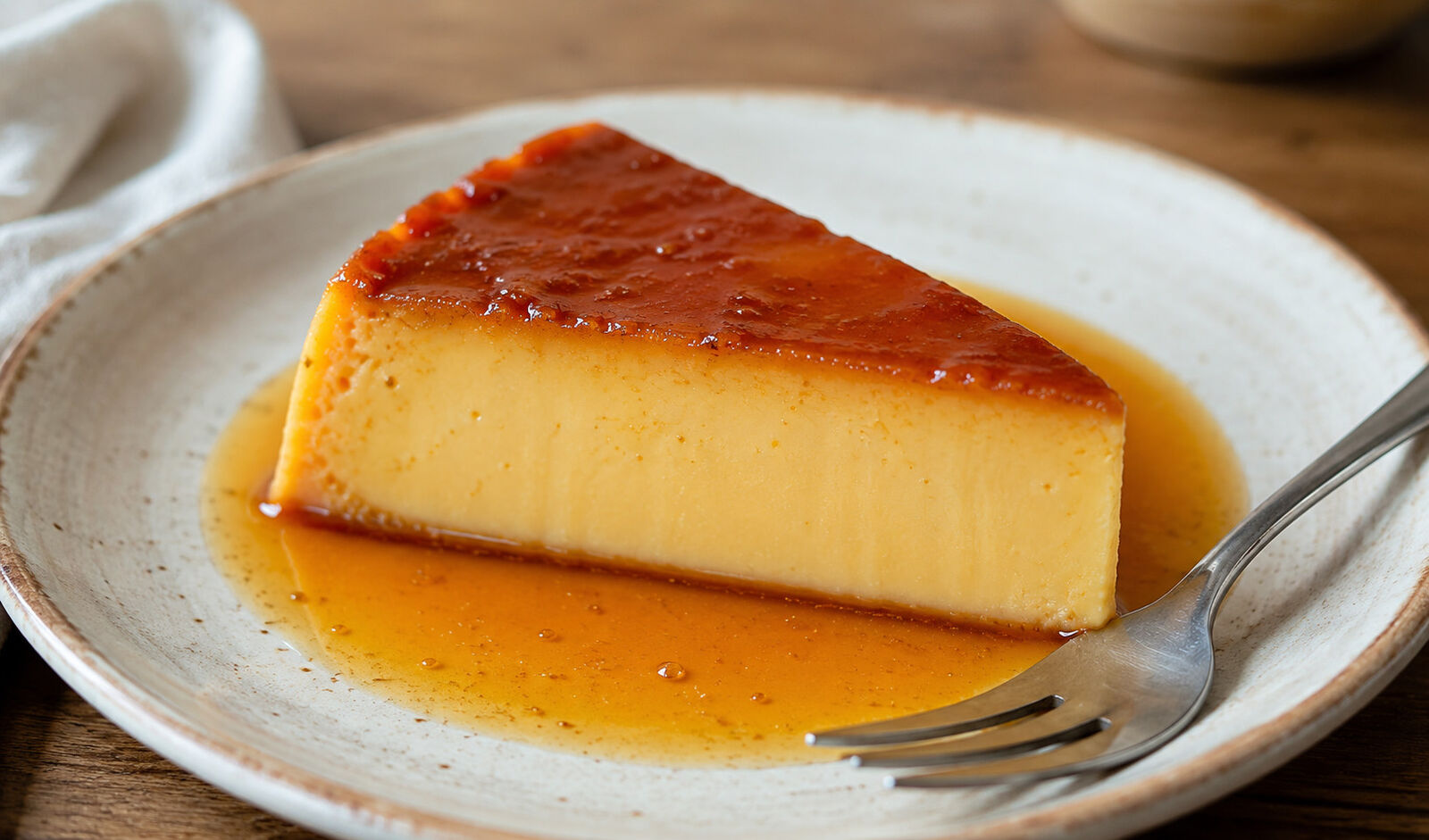
A slice of Classic Mexican Flan on a plate

Classic Mexican Flan

The traditional flan found in Mexican kitchens everywhere: whole eggs, sweetened condensed and evaporated milk, and a deep amber caramel poured straight from the stovetop. It's the version most people picture when they think of flan, prized for its dense, silky texture and balanced sweetness. A touch of cream cheese is sometimes folded in for extra richness, though the classic version stands perfectly well on its own.

Easy Prep: 10 min Cook: 50 min 8 servings
View Recipe →
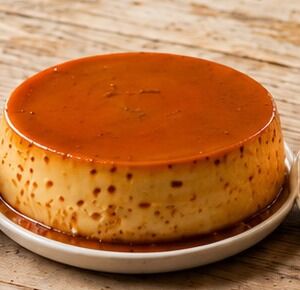
Venezuelan Quesillo unmolded on a plate

Venezuelan Quesillo

Venezuela's beloved take on flan, made with whole eggs and whole milk for a slightly firmer, more custard-like bite than its Mexican cousin. Many home cooks flavor it with a splash of rum or citrus zest, giving it a distinct aromatic edge. It's traditionally baked in a single large mold and served in generous slices at family gatherings.

Easy Prep: 15 min Cook: 1 hr 8 servings
View Recipe →
A slice of Cream Cheese Flan showing its dense texture

Cream Cheese Flan

A denser, tangier flan enriched with cream cheese alongside the classic condensed and evaporated milk base. The added cream cheese gives it an almost cheesecake-like richness while keeping the same glossy caramel topping every flan is known for. It's a favorite among bakers who want an extra-indulgent result without changing much about the method.

Easy Prep: 15 min Cook: 55–65 min 8–10 servings
View Recipe →
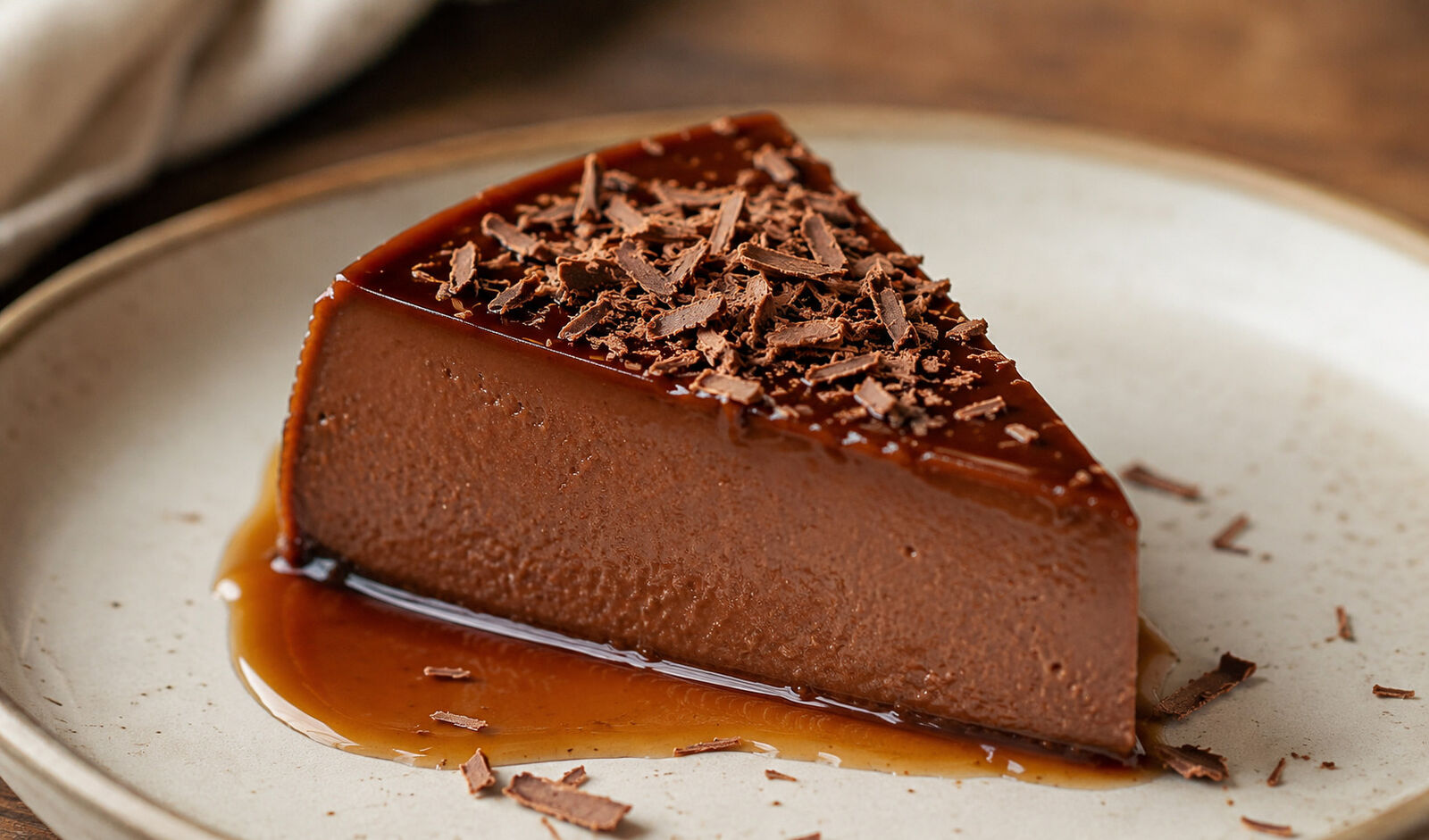
A slice of Chocolate Flan garnished with chocolate shavings

Chocolate Flan

A cocoa-and-melted-chocolate twist on the classic, layering rich chocolate custard over the same glossy caramel every flan is known for. Cocoa powder and melted chocolate are blended right into the custard base, so the chocolate flavor runs through every bite rather than sitting on top. It's a natural next step for anyone who's mastered a classic flan and wants to experiment with flavor.

Easy Prep: 15 min Cook: 1 hr 8–10 servings
View Recipe →
Cuban Flan de Queso on a plate
Coming Soon

Cuban Flan de Queso

Cuba's cream-cheese-forward flan, often finished with a splash of rum for a distinctly rich, tangy dessert. It's a fixture at Cuban family celebrations and pairs a dense, cheesecake-like custard with the same classic caramel base.

Coming Soon
Filipino Leche Flan on a plate
Coming Soon

Filipino Leche Flan

An egg-yolk-rich, steamed custard traditionally made in an oval llanera mold, denser and silkier than most Latin American versions. Using only yolks instead of whole eggs is the key difference that gives leche flan its uniquely smooth, almost pudding-like texture.

Coming Soon
Brazilian Pudim unmolded on a plate
Coming Soon

Brazilian Pudim

Brazil's version of flan, usually blending a full can of sweetened condensed milk directly into the custard for a dense, rich result. It's traditionally baked in a ring mold and is one of the most common desserts served at Brazilian family meals.

Coming Soon
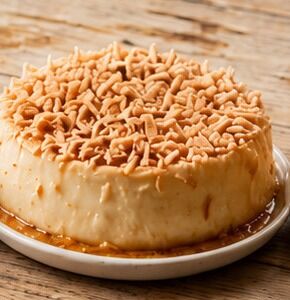
Coconut Flan garnished with toasted coconut
Coming Soon

Coconut Flan

A tropical variation made with coconut milk in place of some of the dairy, for a rich, subtly sweet finish. It's a popular way to give a classic flan recipe a tropical twist without changing the basic method.

Coming Soon
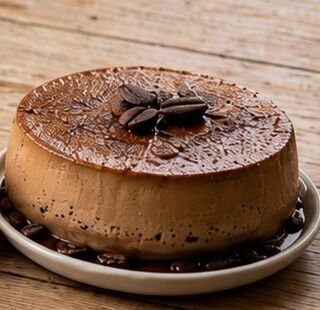
Coffee Flan garnished with coffee beans
Coming Soon

Coffee Flan

Classic custard infused with coffee or espresso for a deeper, slightly bitter edge that balances the sweetness of the caramel. It's an easy variation for coffee lovers who want to build on a classic flan base with a bolder flavor.

Coming Soon
Section 2

Tips for Perfect Flan Every Time

A handful of small habits separate a good flan from a great one. Keep these in mind no matter which recipe you're making.

1

Use Room-Temperature Eggs

Cold eggs and dairy can blend unevenly and trap air bubbles in the custard. Letting everything sit out for about 20–30 minutes before you start helps the mixture come together smoothly and bake more evenly.

2

Cook the Caramel Carefully

Watch the sugar closely as it melts — caramel can go from perfectly amber to burnt in a matter of seconds. Keep the heat moderate, stir constantly, and have your mold ready nearby so you can pour it in right away.

3

Strain the Custard Before Baking

Pouring the mixture through a fine-mesh strainer removes bits of cooked egg white or foam that can form while whisking. It's a quick extra step that makes a noticeable difference in how smooth the final custard turns out.

4

Bake Gently in a Water Bath

A water bath insulates the custard from direct oven heat, helping it set slowly and evenly instead of curdling around the edges. For a full walkthrough of the technique, including how deep to fill the water, see our dedicated Baño María Guide.

5

Avoid Overbaking

Flan is done when the edges look set but the center still jiggles slightly when the mold is nudged. It will continue to firm up as it chills, so it's always safer to pull it a few minutes early than to overbake it.

6

Chill Completely Before Unmolding

Give your flan at least 3–4 hours in the refrigerator, though overnight is ideal, so it firms up enough to hold its shape once flipped. This resting time also gives the hardened caramel a chance to loosen back into a pourable sauce.

7

Use a Traditional Aluminum Flan Mold

Aluminum conducts heat evenly, helping the custard bake at a consistent pace from the edges to the center rather than overcooking around the rim. See our Flan Mold Guide for help choosing the right size for whichever recipe you're making.

8

Run a Knife Around the Edges First

Loosening the custard from the mold's sides with a thin knife before flipping helps it release cleanly onto the serving plate. Skipping this step is one of the most common reasons flan tears or sticks when unmolding.

Section 3

Find the Right Globe Rocket Flan Mold

Every recipe above works best in a mold sized to match it. Here's how to choose the right one for your household and the recipe you're planning to make.

Globe Rocket Medium Flan Mold with lid
Best For

Medium Flan Mold

  • Easy Bake Creamy Caramel Flan
  • Small families
  • Everyday desserts
  • 1.75 Quart
  • 8–10 servings
  • Traditional aluminum
  • Made in Mexico
View Medium Flan Mold →
Globe Rocket Large Flan Mold with lid
Best For

Large Flan Mold

  • Classic Mexican Flan
  • Venezuelan Quesillo
  • Family dinners
  • 2.25 Quart
  • 10–12 servings
  • Traditional aluminum
  • Made in Mexico
View Large Flan Mold →
Globe Rocket X-Large Flan Mold with lid
Best For

X-Large Flan Mold

  • Holiday recipes
  • Parties
  • Large family gatherings
  • 2.75 Quart
  • 12–14 servings
  • Traditional aluminum
  • Made in Mexico
View X-Large Flan Mold →

All three sizes are based on the traditional aluminum flaneras used throughout Latin America for generations — the same style of mold this entire recipe collection is built around, chosen specifically because it heats evenly and holds up to repeated water-bath baking.

Section 4

Frequently Asked Questions

What is the secret to a good flan?

Gentle water-bath baking, not overmixing the custard, straining it before pouring, and giving it a full chill before unmolding are the habits that separate a good flan from a great one. None of these steps are difficult on their own, but skipping even one usually shows up in the final texture. Our Easy Bake Creamy Caramel Flan recipe above is built around exactly these principles, which is part of why it's such a reliable starting point. Once you've made it a time or two, the same habits carry over to every other recipe on this page.

How do Mexicans make flan?

Traditionally, Mexican flan starts with whisking eggs together with sweetened condensed and evaporated milk and a little vanilla, then pouring that custard over caramelized sugar in a mold. The mold is baked gently in a water bath until the custard is just set but still slightly jiggly in the center. Once it comes out of the oven, it's cooled and then chilled for several hours, usually overnight, before being unmolded onto a plate. Our Classic Mexican Flan recipe above follows this same traditional method.

What ingredients do you need to make flan?

At its simplest, flan needs just four things: eggs, milk, sugar, and vanilla. Most Mexican and Latin American recipes use a combination of sweetened condensed and evaporated milk instead of plain milk, which adds extra richness and sweetness. Variations like our Cream Cheese Flan or Chocolate Flan build on that same base with one or two additional ingredients, like cream cheese or cocoa. You'll find the exact ingredient list for each version in its individual recipe, linked above.

What kind of milk is best for flan?

Classic Spanish-style flan uses plain whole milk, which produces a lighter, more delicate custard. Most Mexican and other Latin American recipes instead combine sweetened condensed milk and evaporated milk, which creates a denser, richer texture and more pronounced sweetness. Neither approach is more correct than the other — it mostly comes down to regional tradition and how rich you want the final flan to taste. If you're not sure where to start, our Easy Bake Creamy Caramel Flan recipe uses the condensed-and-evaporated-milk method.

Is flan better with whole eggs or egg yolks?

Both approaches work well but produce noticeably different textures. Whole eggs, used in most Mexican and Venezuelan recipes, set into a firmer, more classic custard that holds a clean slice. Yolk-only versions, like Filipino leche flan, skip the egg whites entirely and produce an even denser, silkier, almost pudding-like bite. Which one is better really comes down to the texture you're after.

How do you caramelize sugar for flan?

Heat plain granulated sugar in a dry pan over low-to-medium heat, stirring or swirling constantly as it melts. Keep watching closely once it starts to liquefy, since it will go from golden to deep amber to burnt in a short span of time. As soon as it reaches a rich, dark amber color, pour it immediately into the mold, tilting the mold so the caramel coats the bottom evenly. Work quickly here, since the caramel will start to harden within seconds of leaving the heat.

Can caramel be made with just sugar and water?

Yes. A wet caramel, made by dissolving sugar in a small amount of water before heating it, is a common alternative to a dry caramel made from sugar alone. Many bakers find the wet method easier to control, since the water helps the sugar melt more evenly and makes it less prone to burning in spots. Either method produces the same glossy caramel sauce once the flan is baked and chilled.

Why is flan baked in a water bath?

A water bath, or baño maría, surrounds the mold with hot water while it bakes, which insulates the custard from the oven's direct, dry heat. That gentler, more even heat lets the egg proteins set slowly instead of curdling or turning rubbery, which is what gives flan its smooth, silky texture. Skipping the water bath is one of the most common reasons homemade flan comes out grainy. For a full walkthrough of the technique, including how deep to fill the water, see our dedicated Baño María Guide.

Is it better to bake flan covered or uncovered?

Many bakers cover the mold loosely with foil while it bakes, which helps prevent the top from browning or forming a slightly rubbery skin. Others bake it uncovered with no noticeable problem, especially if the oven temperature is kept moderate. It ultimately comes down to personal preference and the specific mold you're using — a mold with a well-fitting lid, like a traditional flanera, often makes covering unnecessary.

How do you know when flan is done baking?

Give the mold a gentle nudge: the edges should look fully set, while the very center still jiggles slightly, similar to a firm gelatin. It will continue to firm up further as it cools to room temperature and then chills in the refrigerator. Because of that carryover set, it's better to take it out a few minutes early than to wait until it looks completely firm in the oven. Overbaking is much harder to fix than underbaking.

Can you overcook flan?

Yes, and it's one of the more common mistakes home bakers make. Overbaked flan can turn rubbery or develop small air holes as the egg proteins cook past the point of gentle coagulation. Because the difference between perfectly set and overcooked can be just a few minutes, it's worth checking your flan a little before your recipe's suggested bake time is up.

What are some common mistakes when making flan?

The most frequent issues are skipping the water bath, which can cause curdling or uneven cooking, and overbaking, which turns the texture rubbery. Overmixing the custard is another common one, since it whips in air bubbles that show up as holes once baked. Not chilling the flan long enough before unmolding is the last major culprit, often leading to a flan that doesn't hold its shape when flipped.

Why didn't my flan set?

Undercooking is the most common cause of a flan that won't set properly. Using a mold that's too large for the amount of custard, which spreads it too thin, or overmixing and introducing too much air, can also leave the texture too loose. Give an unset flan more time in the oven and a full chilling period in the refrigerator before assuming it's a lost cause — many flans firm up more than expected once fully cold.

How difficult is flan to make?

Flan is genuinely beginner-friendly — most recipes, including our Easy Bake Creamy Caramel Flan, use just a handful of pantry ingredients and one bowl, with no special equipment beyond a mold. The two parts that take a little practice are caramelizing the sugar without burning it and getting comfortable with the water bath setup, and both become much easier after the first attempt. There's no advanced technique required, just a bit of patience while it bakes and chills.

How long should flan chill before serving?

At least 3 to 4 hours in the refrigerator, though overnight is ideal for the best texture and easiest unmolding. Chilling fully sets the custard so it holds a clean slice, and it also gives the hardened caramel time to loosen back into a pourable sauce. Serving flan too soon after baking is one of the more common reasons it doesn't unmold cleanly.

Continue Your Flan Journey

Whether you're searching for your next recipe or learning the techniques behind perfect homemade flan, our Flan Hub brings together recipes, baking guides, mold comparisons, and expert tips to help you master one of Latin America's most beloved desserts.

Explore the Complete Flan Hub →