Traditional Mexican cooking often uses specialized tools designed for particular foods and drinks. This guide explores the traditional Mexican kitchen tools currently covered by Traditional Mexican Kitchen, starting with flan molds for preparing baked custards and molinillos for mixing and frothing Mexican beverages. Each category has its own dedicated hub with guides, techniques, recipes, and product information, so you can explore the tool itself and learn how it is used.
The easiest way to explore traditional Mexican kitchen tools is to start with what you want to make. A flan mold is part of the preparation of baked custards such as flan, while a molinillo is used to mix and create foam in drinks such as Mexican hot chocolate, champurrado, and atole. The hubs below take you deeper into each tool—what it is, how it works, how it is used, and the recipes and guides connected to it.
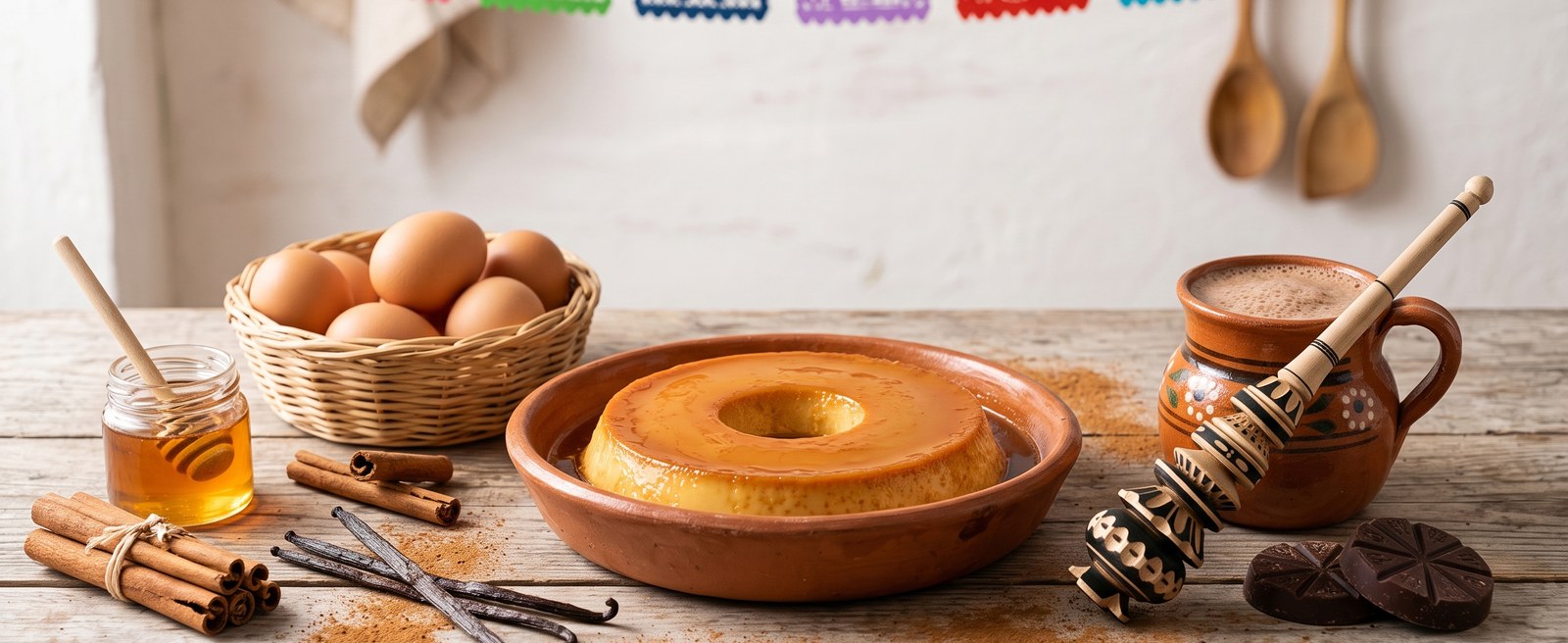
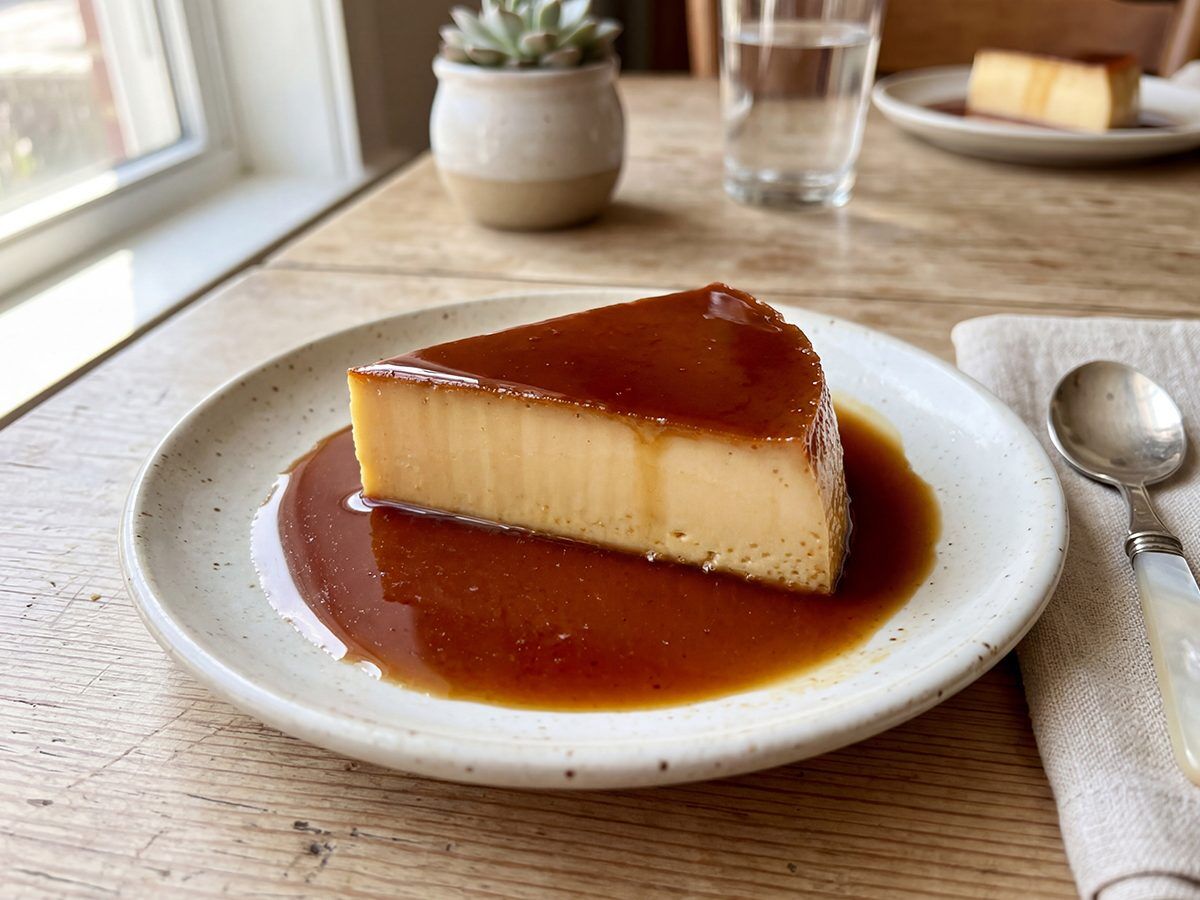
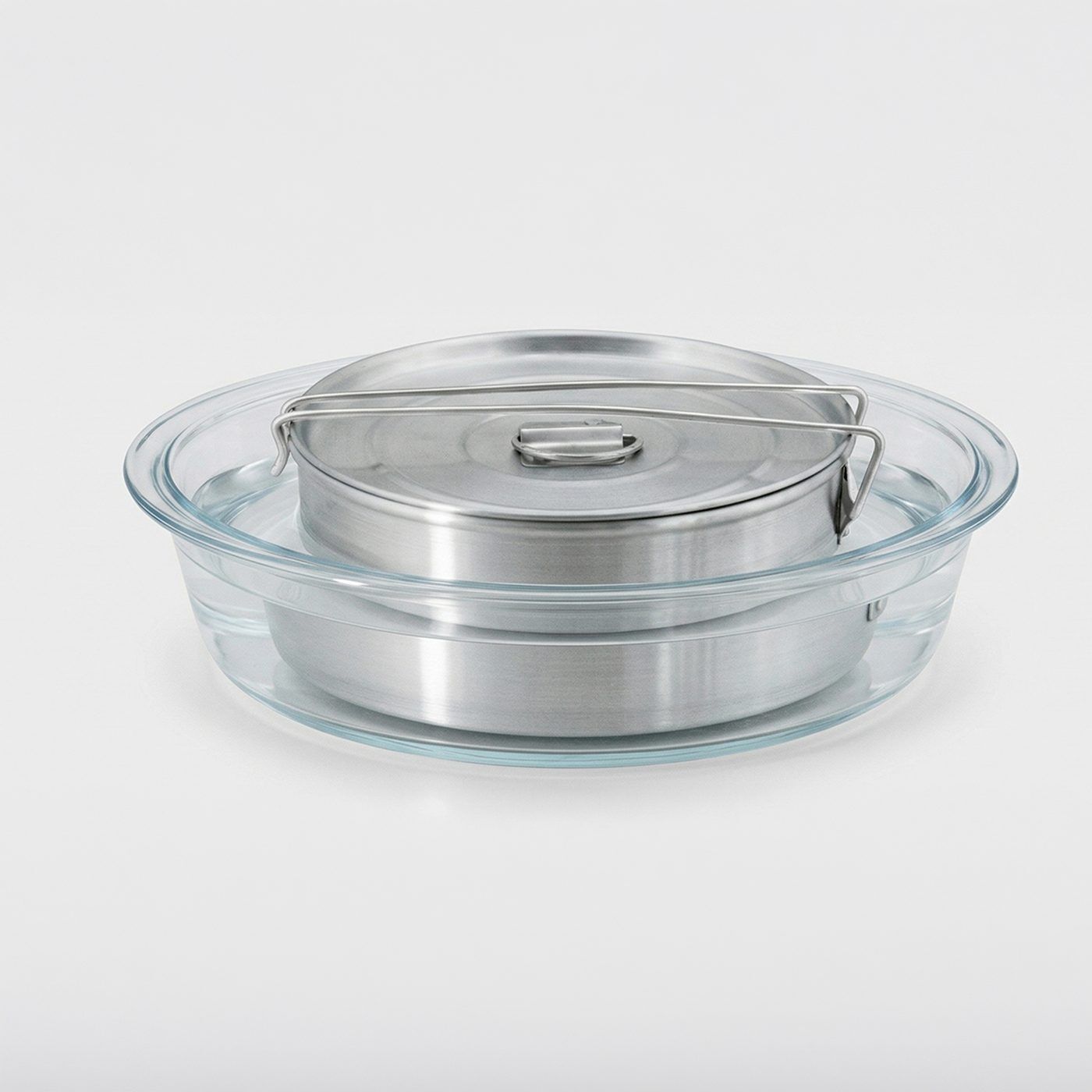
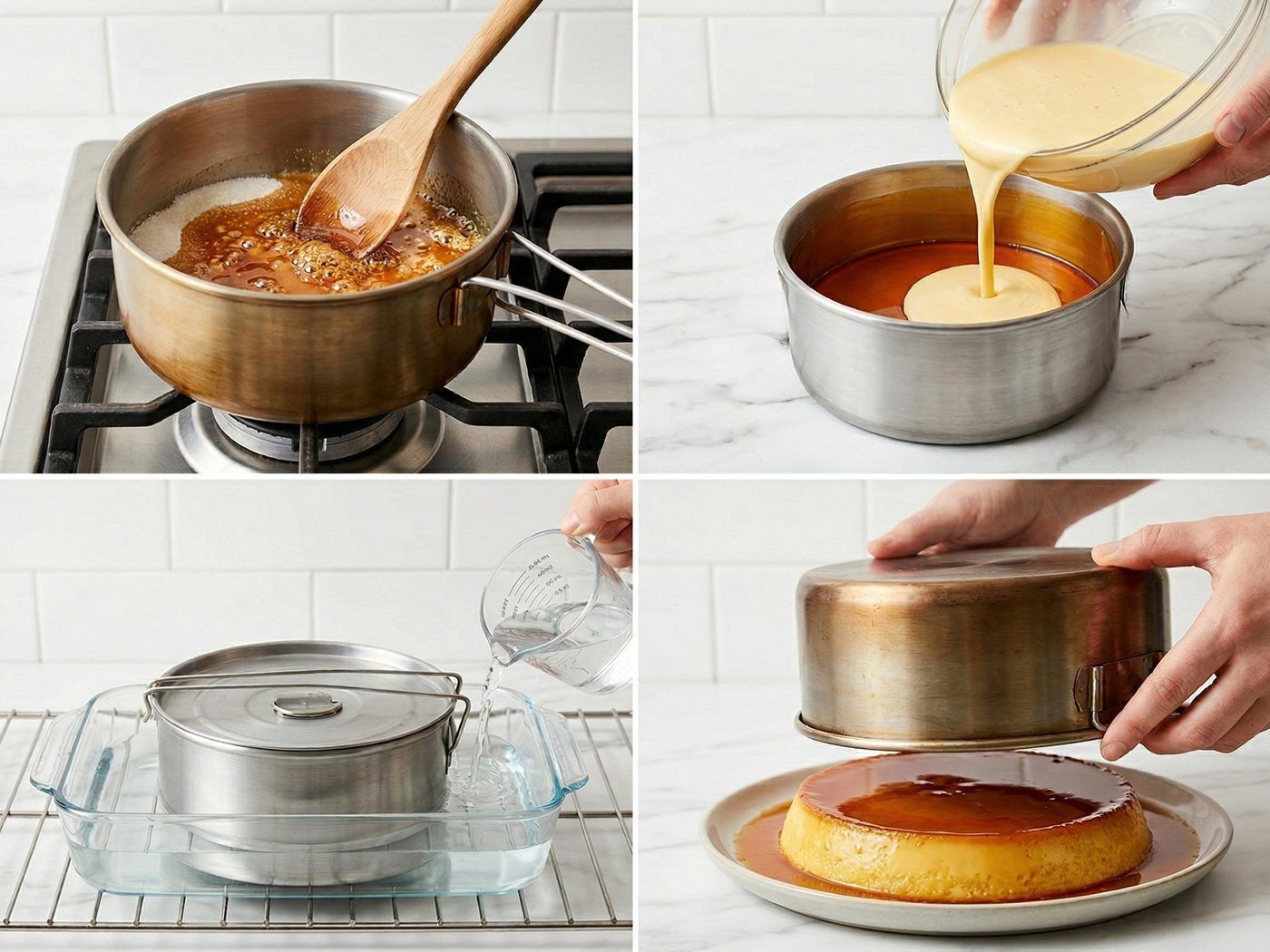
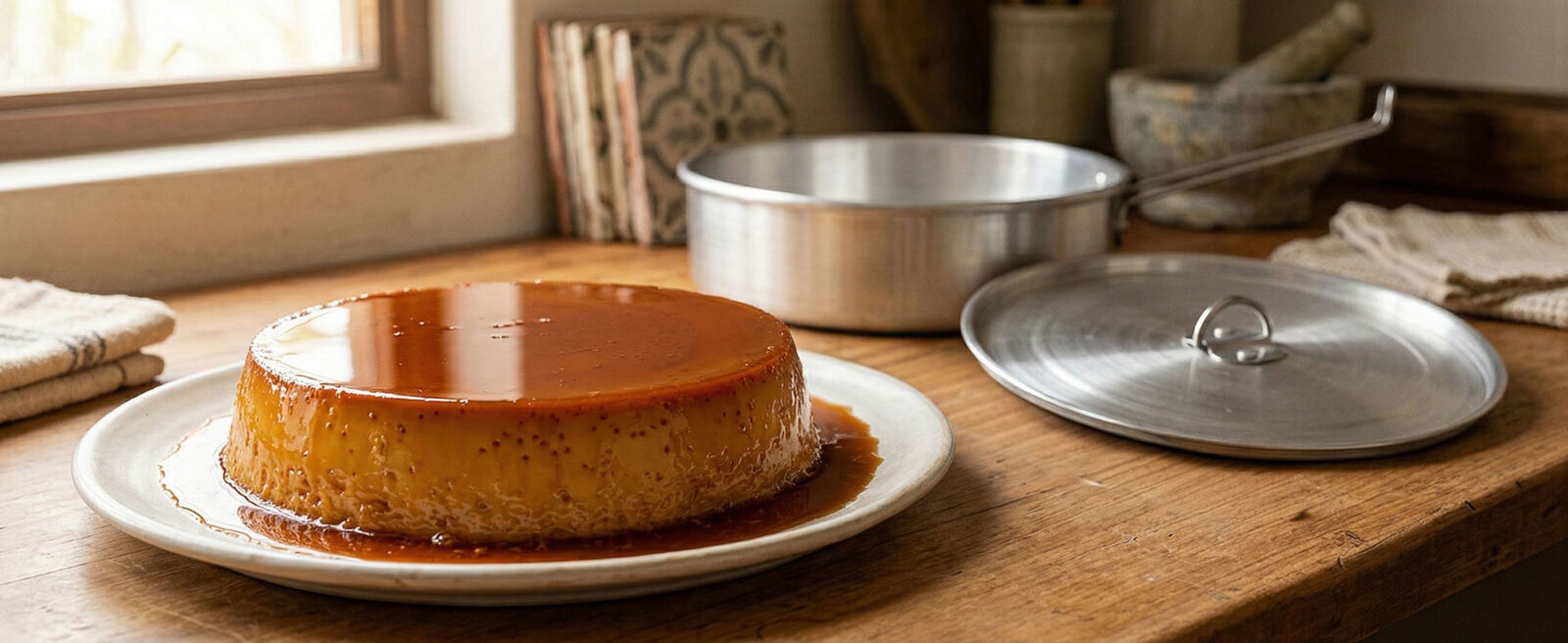
A flan mold — also called a flanera — is a round metal mold with a fitted lid, traditionally used to prepare flan and other baked custards using the Baño María (water bath) method: the mold sits inside a larger pan of hot water in the oven, so the custard sets gently and evenly instead of curdling or cracking.
The Flan Mold Hub covers what flan actually is, how the Baño María technique works step by step, how to choose the right mold size, and complete recipes including Classic Mexican Flan and Venezuelan Quesillo. Globe Rocket's flan molds are available in Medium, Large, and X-Large sizes.
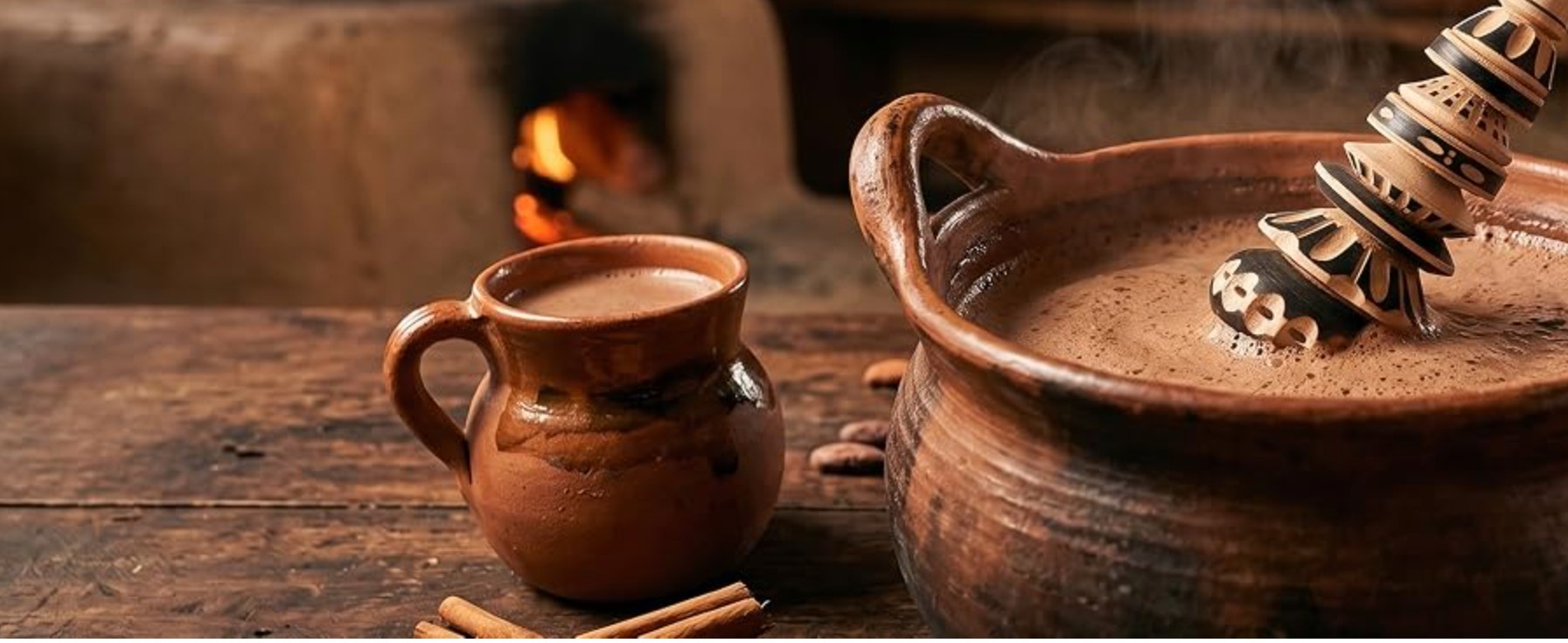
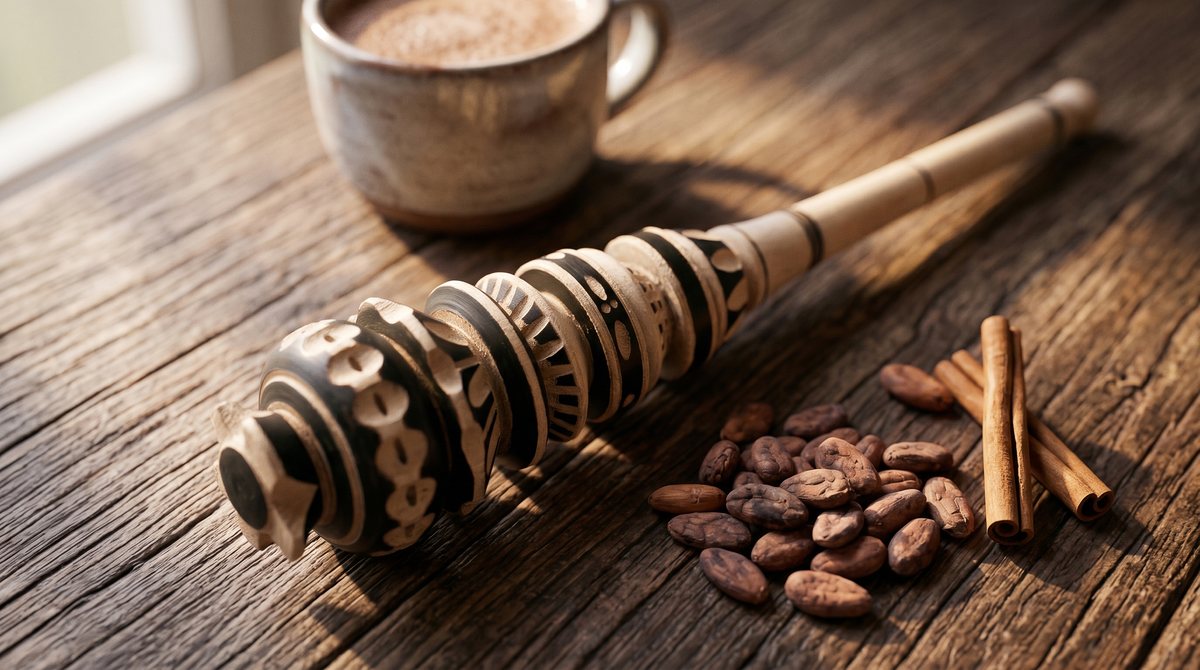
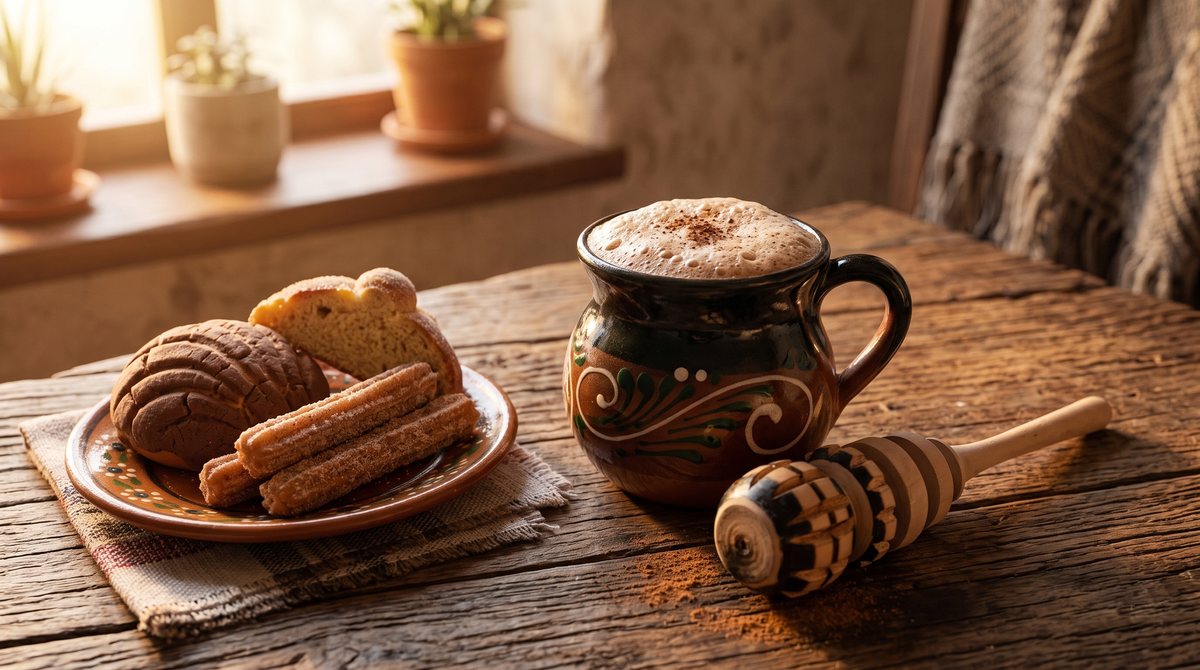
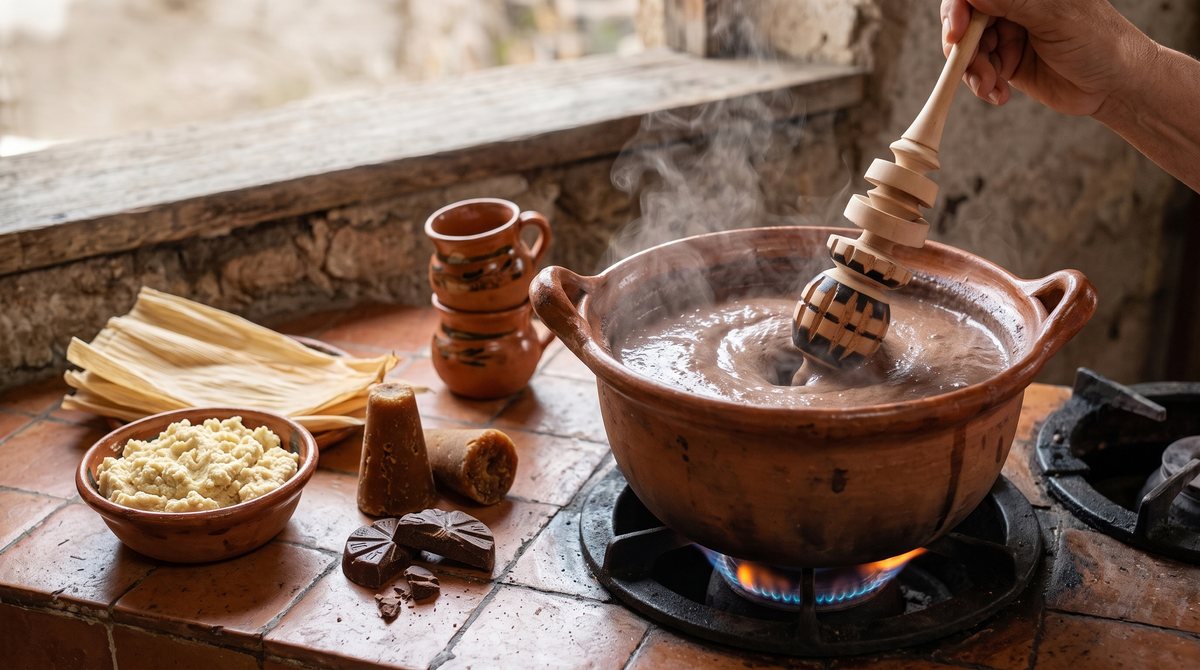
A molinillo is a turned wooden whisk with one or more free-spinning carved rings, made from a single piece of hardwood and rolled between the palms to froth Mexican hot chocolate, champurrado, and atole.
Despite a common claim, it isn't a pre-Hispanic Aztec tool — it's a colonial-era invention that replaced the Aztecs' and Maya's earlier method of frothing chocolate by pouring it between vessels. The Molinillos Hub covers what a molinillo actually is, its real history, how it's handmade, how to use and clean one, and how to choose between the handmade Large and Small sizes.
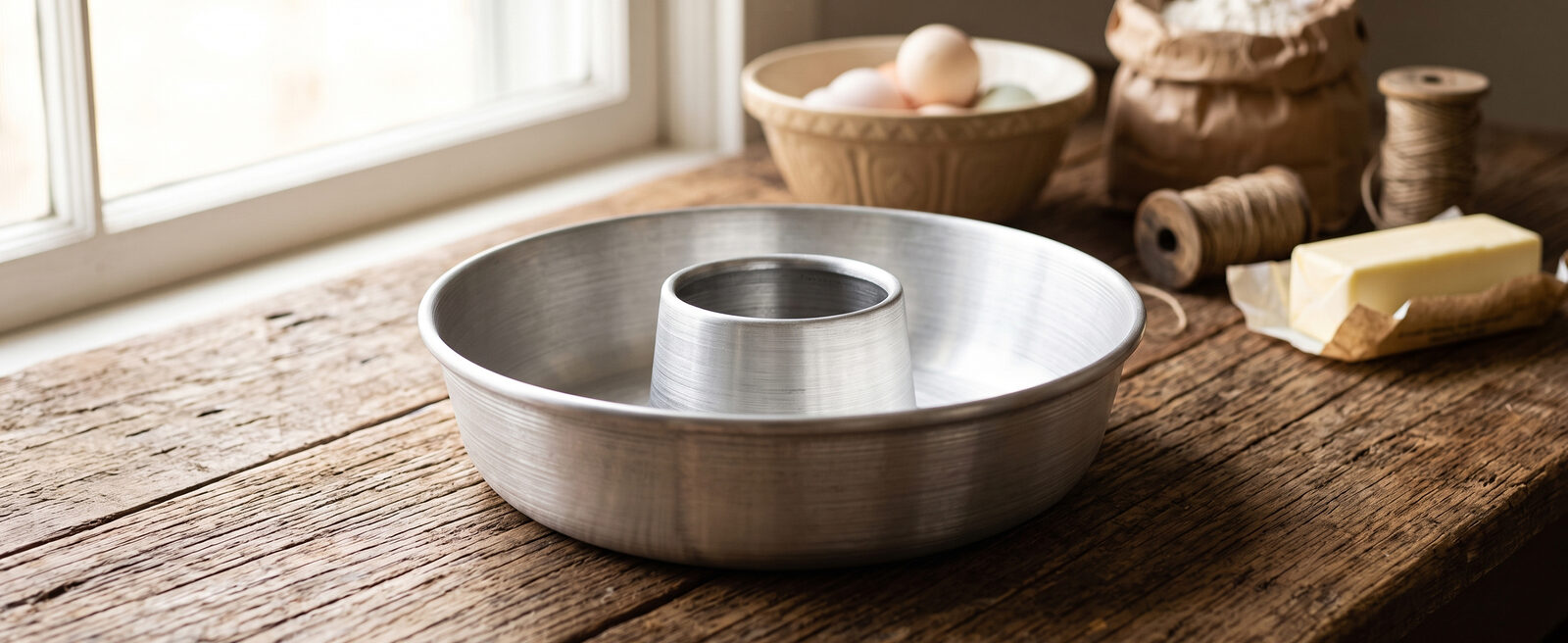
A ring cake mold is a round baking pan built around a hollow center tube, producing a ring-shaped cake with an open middle instead of a solid center. The tube shortens the distance heat has to travel into the batter, which is why ring-style pans are a traditional choice for pound cake, chiffon cake, and baked custards like flan and chocoflan.
The Ring Cake Molds Hub introduces the Globe Rocket aluminum ring cake pan, explains how it differs from a flan mold or a decorative Bundt pan, and helps you choose between the 8-inch, 9.5-inch, and 11.2-inch sizes.
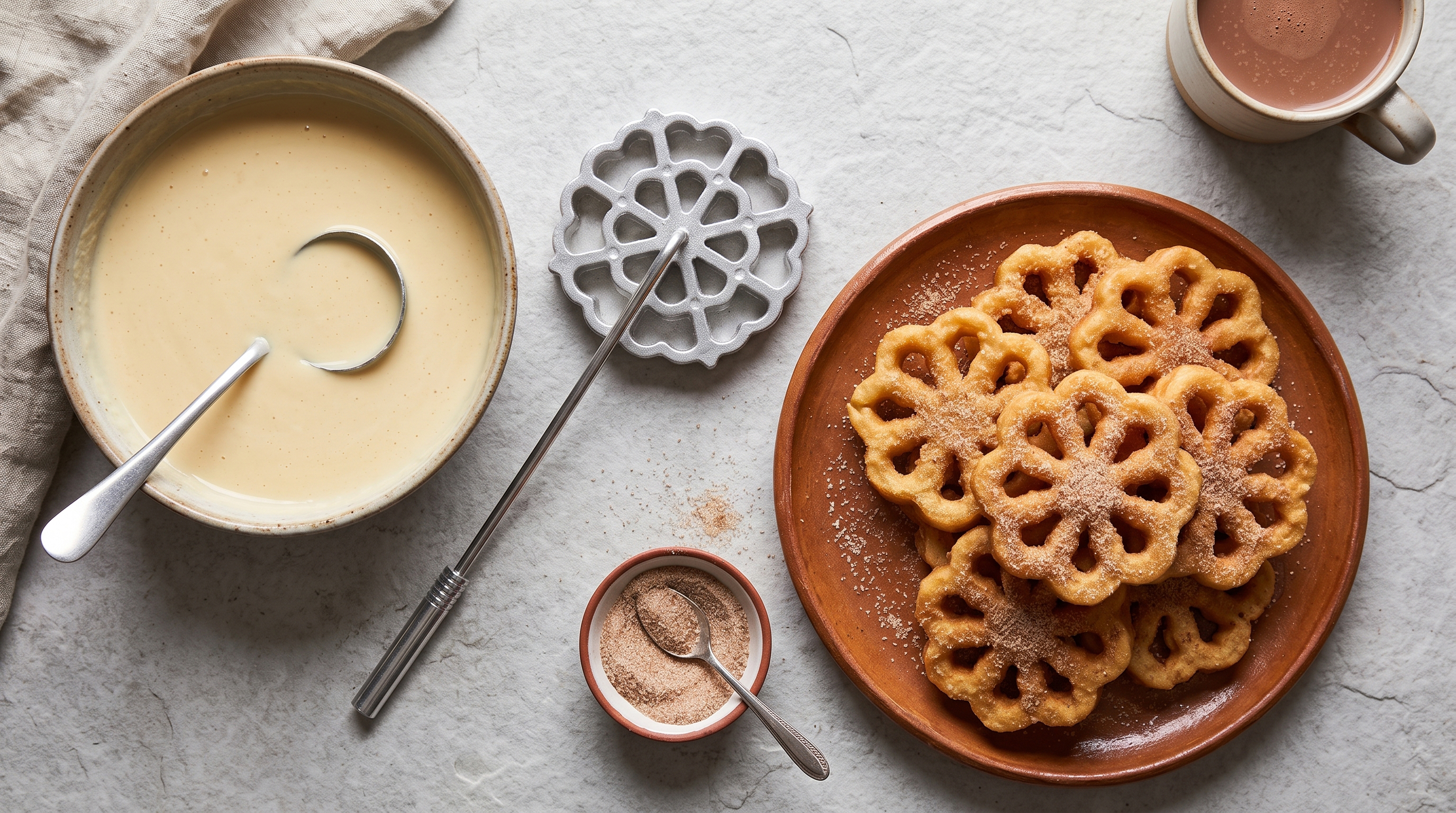
A buñuelos mold is a flower-shaped cast metal mold on a detachable handle, heated and dipped first into a simple egg batter, then into hot oil, where the shape releases and fries into the thin, crisp, lacy shell known as a buñuelo de viento.
The Bunuelos Mold Hub covers what a buñuelo de viento actually is, how it differs from sopapillas and other fried Mexican dough, how to use and choose the right Globe Rocket mold size, and a tested cinnamon-sugar recipe built around it.
A quick way to tell which part of the site to start with, based on what you're actually making.
Flan, leche flan, quesillo, and similar custard desserts are baked in a lidded mold set inside a water bath. Start with the Flan Mold Hub for the mold itself, the Baño María technique, and full recipes.
These are whisked drinks, not baked ones. Start with the Molinillos Hub for the wooden whisk itself, technique, care, and sizing.
These bake in a tube-style pan built around a center core. Start with the Ring Cake Molds Hub for the pan itself, sizing help, and how it relates to flan and chocoflan.
Buñuelos de viento are fried, not baked, using a flower-shaped mold dipped in batter and hot oil. Start with the Bunuelos Mold Hub for the mold itself, technique, and a tested recipe.
A few starting points from the Flan Mold Hub and the Molinillos Hub, pulled together in one place.
What flan actually is and the science behind why it sets the way it does.
Read the guide →
The water bath technique that keeps a custard smooth and crack-free.
Read the guide →
Classic Mexican Flan, Venezuelan Quesillo, and more, with mold sizing help.
See the recipes →
What a molinillo actually is and why "ancient Aztec tool" isn't quite right.
Read the guide →
What makes Mexican hot chocolate different from cocoa — ingredients and technique.
Read the guide →
What separates champurrado from hot chocolate — and why it's mostly about corn.
Read the guide →