Flan Basics

What Is Flan? The Complete Guide to Authentic Flan

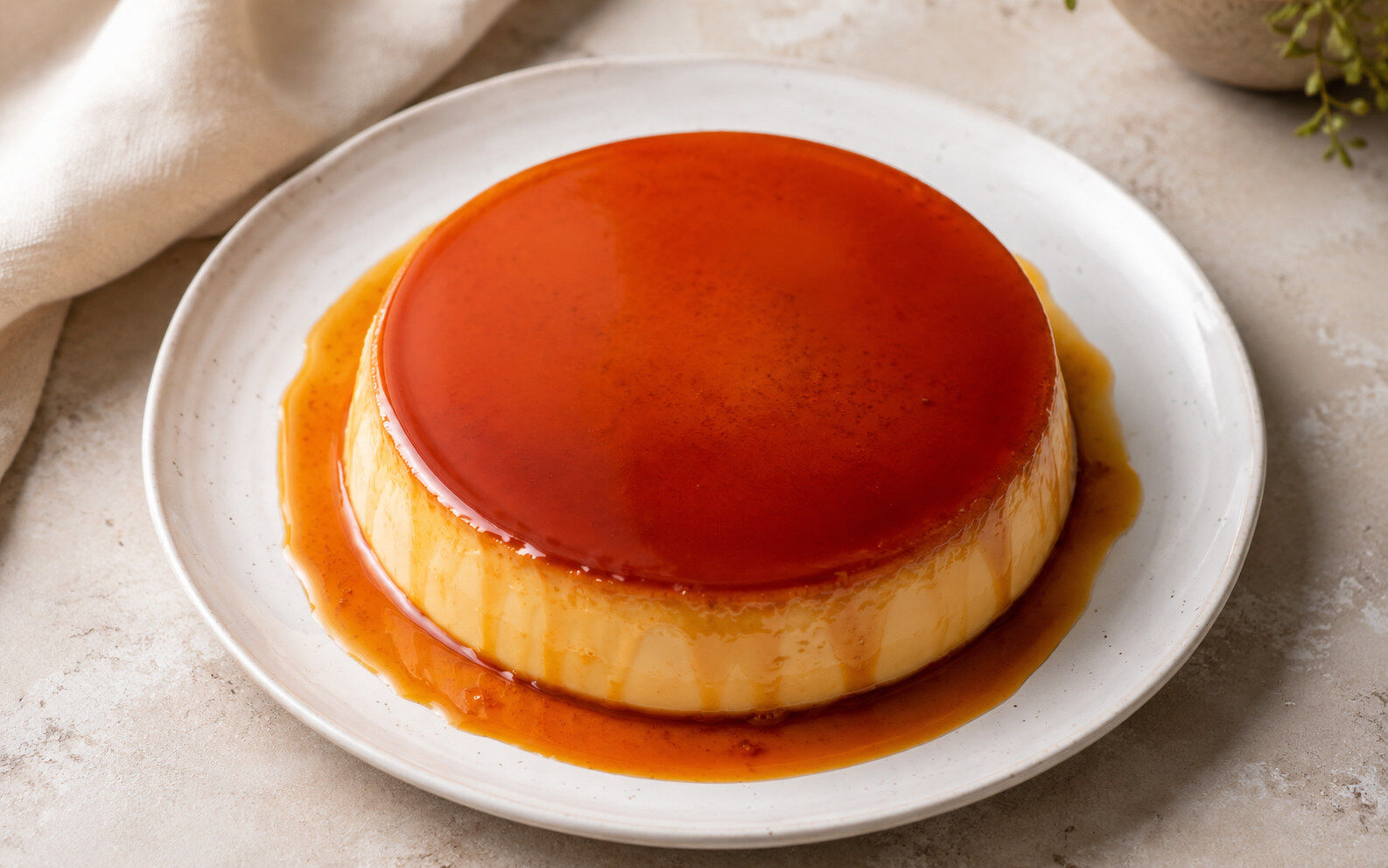
A whole flan unmolded onto a plate with caramel sauce pooling around the base

Flan is a baked custard dessert crowned with a layer of liquid caramel, made from little more than eggs, milk, sugar, and vanilla. Underneath that short ingredient list sits one of the most widely loved desserts in the Spanish-speaking world — showing up at birthdays, quinceañeras, Christmas tables, and ordinary Sunday dinners across Mexico, Spain, and Latin America, with close cousins as far away as the Philippines and Brazil.

This guide walks through where flan actually comes from, what it's made of, why it has that famously smooth, jiggly texture, how it changes from country to country, and how it compares to relatives like crème brûlée and cheesecake. Whether you've never had a bite or you've been making it for years, by the end you'll understand exactly what's happening inside that mold.

This is the first stop in Globe Rocket's flan library — the same collection that covers ingredients, technique, and the traditional aluminum molds flan has been made in for generations.

Section 1

What Is Flan?

Flan is a baked custard dessert made from eggs, milk, sugar, and vanilla, set slowly in the oven and finished with a layer of caramelized sugar. It belongs to the same family as crème brûlée, crème caramel, and pot de crème — desserts that get their structure not from flour or gelatin, but from egg proteins that gently set when heated. That's why flan is considered a true baked custard: the eggs are doing the structural work, and everything else is there for flavor and richness.

What separates flan from its custard relatives is the caramel. Before the custard mixture ever goes into the mold, plain sugar is melted and cooked until it darkens into caramel, then poured into the bottom of the mold, where it hardens into a thin amber layer. The custard is poured directly on top of it and baked in a water bath. As the finished flan bakes and later chills, that hardened caramel slowly dissolves back into a glossy, pourable sauce.

That's also why flan is always flipped before serving. Because the caramel starts on the bottom of the mold, the only way to see it — and let it flow over the custard as a sauce — is to invert the whole thing onto a plate once it's fully chilled. Flan needs several hours in the refrigerator, usually overnight, both to firm up enough to hold its shape once unmolded and to give the caramel time to loosen into sauce.

Served cold, dense, and eggy-sweet with a bittersweet caramel edge, flan doesn't have a crust, a whipped topping, or a torched sugar shell the way some of its cousins do. It's simpler than cheesecake, softer than a baked pudding, and less delicate than crème brûlée — a dessert defined by the interplay of exactly two things: a smooth custard and its own caramel.

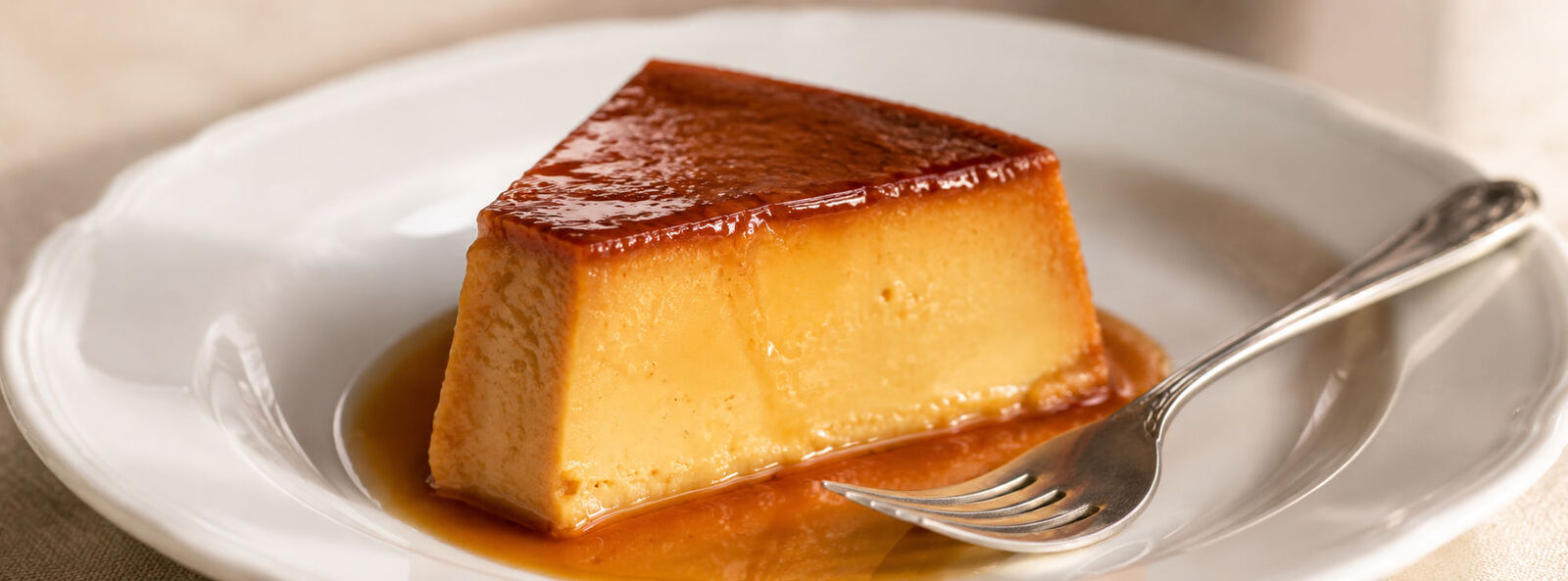
A slice of flan on a plate, showing the custard layers and caramel sauce
Section 2

The History of Flan

Flan's story starts much further back than Mexico or Spain. Food historians trace the dessert to ancient Rome, where the widespread domestication of hens created a surplus of eggs and, with it, a new category of egg-based dishes the Romans called fladones — the word "flan" itself descends from the Old High German flado, meaning "flat cake," by way of Latin and Old French. Roman fladones weren't always sweet: many were savory, flavored with fish, meat, or spices, and only occasionally sweetened with honey.

After the fall of the Roman Empire, the custard tradition survived and evolved in Spain, where cooks began adding caramelized sugar and turning what had been a savory dish into a true dessert. Moorish influence during this period is often credited with introducing flavorings like citrus and almonds that still appear in Spanish flan today. By the time Spanish explorers set sail for the Americas, flan was already a well-established sweet.

Spanish colonization carried flan across the Atlantic starting in the 1500s, and it took root in Mexican kitchens, where it was adapted with ingredients that became available locally, eventually including sweetened condensed and evaporated milk. From Mexico, flan spread throughout Latin America, with each country shaping its own version — Venezuela's quesillo, Argentina's flan mixto, Brazil's pudim — while Spanish colonization carried a parallel version across the Pacific to the Philippines, where it became leche flan.

Today flan is served on nearly every continent, appears on dessert menus far outside Latin cuisine, and remains, in many households, the dessert most associated with a grandmother's kitchen. Its 2,000-year journey from a savory Roman snack to a defining Latin American dessert is part of why it carries so much cultural weight at the table.

Ancient Rome

Egg custards first appear

Surplus eggs from domesticated hens lead to "fladones" — early custards made in both sweet and savory versions, sometimes sweetened with honey.

Post-Roman Spain

Caramel is added

Spanish cooks preserve the custard tradition and add caramelized sugar, turning it into a dessert. Moorish influence adds citrus and almond flavorings.

1500s

Flan arrives in colonial Mexico

Spanish colonization brings flan across the Atlantic, where it's adapted with locally available ingredients and becomes part of Mexican home cooking.

1500s–1800s

Regional variations spread

Flan takes root across Latin America and, via Spanish colonization of the Philippines, becomes leche flan — each region shaping its own version.

Today

A global dessert

Flan appears on dessert menus worldwide and remains one of the most-made homemade desserts across Mexico, Spain, and Latin America.
Section 3

Why Flan Is So Popular

Flan's popularity has as much to do with what it represents as how it tastes. In many Mexican, Spanish, and Latin American households, flan is a family recipe passed down rather than looked up — a dish nearly everyone has watched a mother or grandmother make, usually from memory, with small variations that mark it as "hers." That inherited quality gives flan an emotional pull that few other desserts carry.

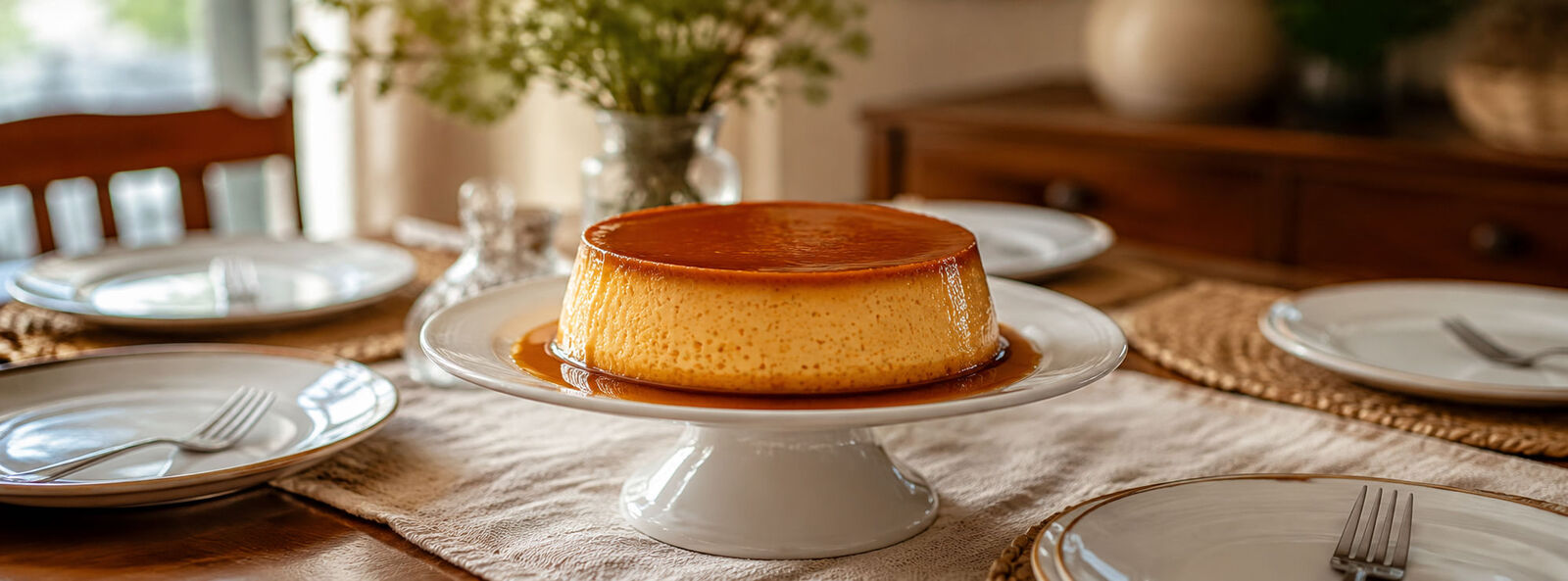
It's also, by tradition, a celebration food. Flan shows up at birthdays and quinceañeras, on the Christmas dessert table, and as the finishing note to big Sunday family dinners, where a whole flan unmolded onto a platter and shared among the table has become its own small ritual. Because it's made a day ahead and served cold, it's an easy centerpiece for a house full of guests — there's no last-minute plating or reheating, just a chilled dessert ready to be sliced.

At the same time, flan is comfort food in the everyday sense. It requires no special equipment beyond a mold and a water bath, uses ingredients most kitchens already have, and keeps well in the refrigerator for days — making it as natural a Tuesday-night dessert as a holiday one. That dual identity, equally at home at a quinceañera or a weeknight table, is a large part of why flan has stayed a fixture across so many Latin American cultures for centuries rather than fading into a special-occasion-only dish.

A whole flan on a cake stand at a family dinner table, surrounded by set plates
Section 4

What Does Flan Taste Like?

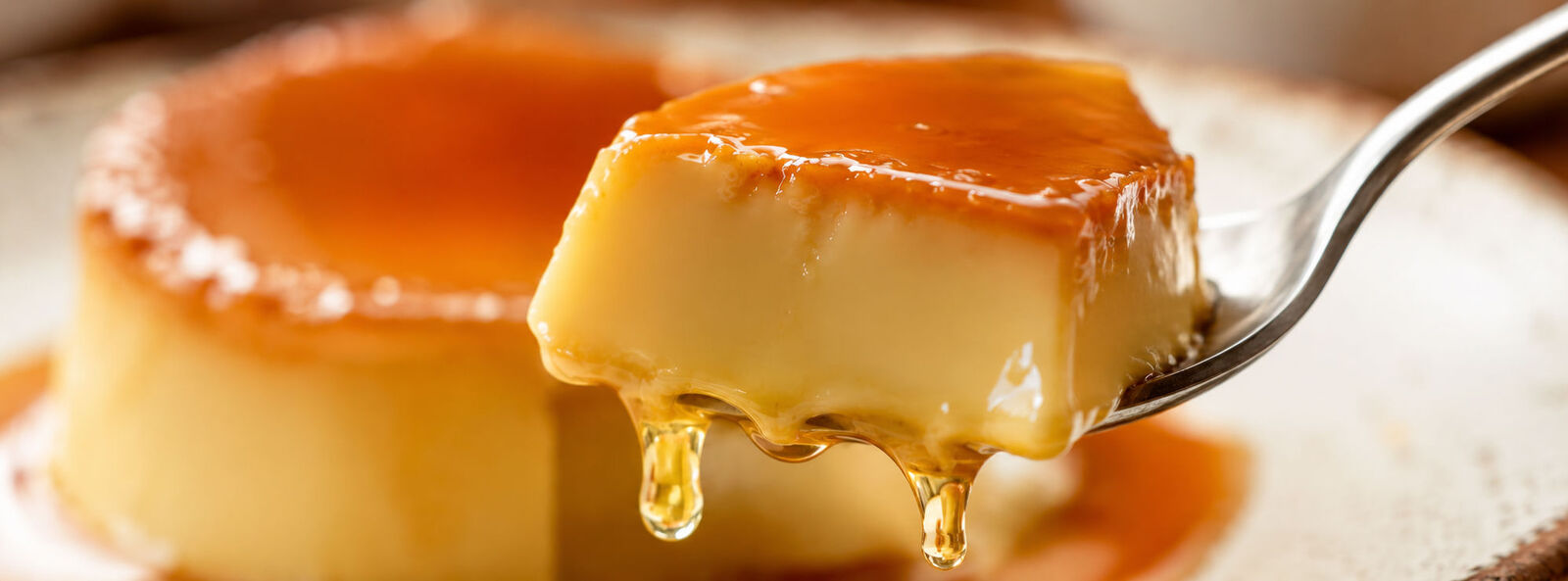
If you've never had flan, the easiest way to picture it is a firmer, denser cousin of pudding — smooth and custardy rather than fluffy, with a texture that holds a clean slice when cut but still yields easily against a spoon. Good flan is silky rather than bouncy, dense rather than airy, and never grainy; a properly made flan should feel almost velvety on the tongue.

Flavor-wise, flan is milky and sweet, carrying warm vanilla notes underneath the richness of eggs and dairy. What keeps that sweetness in check is the caramel sauce pooled around it, which is cooked past the point of plain sweetness into something deeper and faintly bitter — the contrast between the sweet custard and the darker caramel is a big part of what makes flan taste balanced rather than one-note.

Richness is the other defining trait. Because flan is built almost entirely from eggs and dairy, with no flour to lighten it, it eats heavier than cake but lighter than a dense cheesecake — a small slice tends to feel satisfying rather than sparse. Served cold, straight from the refrigerator, that richness firms up further, which is exactly the texture flan is meant to have.

A close-up forkful of flan, showing its smooth custard texture and caramel drip
Section 5

What Is Flan Made Of?

Traditional flan is built from just a few pantry staples. Here's what each one contributes — no quantities or recipe, just the role each ingredient plays.

1

Eggs

The structural backbone of the custard. Egg proteins are what set flan as it bakes, giving it enough body to hold a slice while staying soft and smooth.

2

Milk

Adds moisture and a lighter, more delicate texture to the custard, balancing out the richer canned dairy used in many regional versions.

3

Sweetened Condensed Milk

Brings concentrated sweetness and a dense, rich body — the ingredient most responsible for the extra-creamy texture of Mexican-style flan.

4

Evaporated Milk

Adds creaminess and a silkier mouthfeel without the extra sweetness of condensed milk, rounding out the custard's texture.

5

Sugar

Melted and cooked on its own until it darkens, sugar becomes the caramel that lines the mold and turns into the finished flan's signature sauce.

6

Vanilla

The primary flavor note beneath the dairy and caramel, giving the custard its warm, familiar aroma.

Section 6

Why Flan Has Such a Smooth Texture

Flan's signature smoothness comes down to how gently its egg proteins are allowed to set. Eggs are the only real structural ingredient in a custard, and when they're heated too quickly or too aggressively, their proteins bond too tightly and squeeze out moisture — the result is a rubbery, weeping custard instead of a silky one. Flan is designed, from ingredients to cooking method, to avoid exactly that.

Egg proteins

Eggs set through coagulation — their proteins unwind and link together as they heat. Done slowly, this creates a soft, even network; done too fast, it creates a curdled, grainy one.

Gentle coagulation

Keeping the custard's cooking temperature low and steady is what allows those egg proteins to set gradually, which is the single biggest factor in a smooth final texture.

Dairy

Milk and cream dilute the egg proteins and add fat, which further slows and softens coagulation while contributing to flan's rich mouthfeel.

Sugar

Sugar in the custard itself also interferes with egg proteins bonding too tightly, helping keep the texture tender rather than firm.

Caramelization

The separate caramel layer relies on a different chemical process entirely — sugar breaking down under high heat into hundreds of new flavor compounds, which is what gives flan's sauce its deep color and bittersweet edge.

Chilling

Several hours in the refrigerator lets the custard fully firm up after baking and gives the hardened caramel time to dissolve back into a pourable sauce.

Why the water bath matters: flan is traditionally baked using a baño maría, or water bath, because it surrounds the mold with gentle, even heat instead of the oven's direct, uneven heat — which is exactly the slow, steady environment egg proteins need to set into a silky custard rather than a rubbery one. We won't get into the full technique here; visit our dedicated Baño María Guide for the complete step-by-step process.
Section 7

Different Types of Flan Around the World

Flan changed as it traveled, picking up local ingredients and techniques in nearly every country that adopted it. Here's how the major regional versions differ.

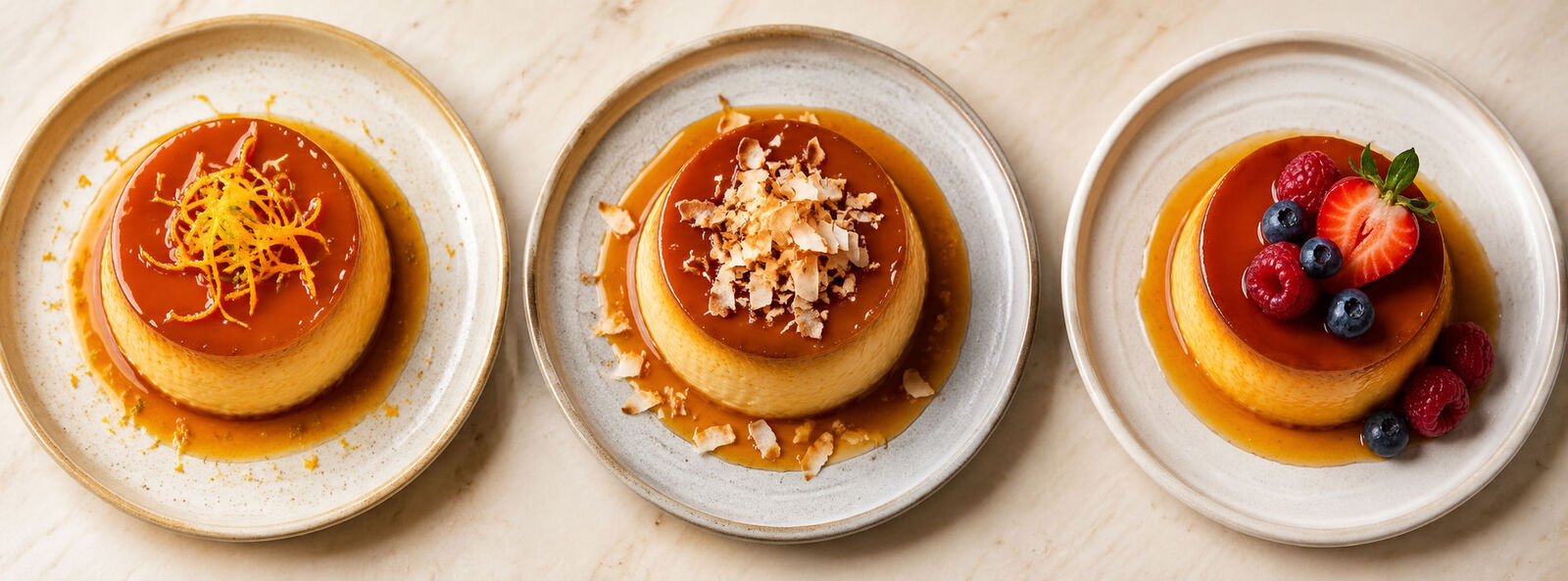
Three different flan variations plated side by side, each with different garnishes
Mexico

Mexican Flan

Dense & creamyCondensed + evaporated milk

The version most familiar in the United States. Made rich with sweetened condensed and evaporated milk, Mexican flan is denser and sweeter than Spain's original, and it's a staple at birthdays, quinceañeras, and family dinners.

Spain

Spanish Flan

Light & delicateFresh milk, eggs, sugar

The original European version, made simply with fresh milk, eggs, and sugar, sometimes brightened with citrus zest or a touch of sherry. It's lighter and less sweet than Mexican flan, letting the vanilla and caramel carry more of the flavor.

Philippines

Leche Flan

Extra richEgg yolks onlySteamed

Brought by Spanish colonization and adapted with American-introduced canned milk, leche flan is made with egg yolks instead of whole eggs for an even denser, richer custard. It's traditionally steamed rather than oven-baked, in oval tin molds called llaneras, and appears at nearly every Filipino celebration.

Venezuela

Venezuelan Quesillo

Jelly-likeCondensed milk

Quesillo shares flan's basic structure but leans on condensed milk for a distinctly springy, almost jelly-like texture and a flavor that's noticeably different from classic crème caramel. It's a fixture of Venezuelan home cooking and has spread to neighboring Caribbean islands as well.

Brazil

Brazilian Pudim

Dense & springyBlended condensed milk

Pudim de leite is built almost entirely around sweetened condensed milk, blended with eggs and milk until smooth, then baked. The result is denser and slightly more elastic than other regional flans, and it's considered one of Brazil's most iconic desserts, common at Sunday lunches.

France

French Crème Caramel

Silky & lightCream-forward

Crème caramel is the French name for essentially the same dessert as flan, typically made with a higher proportion of cream for an especially silky, light custard. It's the version most likely to appear on a European restaurant menu under its French name.

Argentina

Argentine Flan

FirmServed with dulce de leche

Argentine flan, often called flan mixto, is a firmer, denser custard traditionally served with a generous spoonful of dulce de leche and a dollop of whipped cream alongside the caramel sauce — a distinctly Argentine way of doubling down on caramel flavor.

Section 8

Flan vs. Other Custard Desserts

Flan belongs to a wider family of custard desserts that are often confused for one another. Here's how they actually compare.

Caramel Texture Served Cold Country of Origin
Flan Yes — poured as sauce after unmolding Dense, silky custard Yes Spain / Latin America (roots in ancient Rome)
Crème Caramel Yes — identical method to flan Light, silky custard Yes France
Crème Brûlée No — topped with torched sugar instead Creamy custard with a brittle sugar shell No — served just above room temperature France
Pudding No Soft, thickened with cornstarch, not baked Yes United Kingdom / United States
Cheesecake No Dense, set with cream cheese, usually on a crust Yes Ancient Greece (modern form: United States)
Section 9

Fun Facts About Flan

Its name means "flat cake"

"Flan" traces back to the Old High German word flado, meaning "flat cake," which passed through Latin and Old French before landing on the dessert we know today.

The caramel always starts on the bottom

Caramel is poured into the mold before the custard, which is exactly why flan has to be flipped upside down to reveal it as a topping and sauce.

It's flipped for a reason, not for show

Inverting flan isn't a stylistic flourish — it's the only way to get the hardened caramel from the bottom of the mold onto the top of the finished dessert.

It tastes even better the next day

Flan's flavors continue to meld and the caramel keeps softening into sauce during a full day of chilling, which is why many cooks insist it's better made a day ahead.

Nearly every Latin American country has its own version

From Venezuelan quesillo to Argentine flan mixto to Brazilian pudim, flan adapted to local ingredients and tastes almost everywhere Spanish and Portuguese colonization reached.

It's one of the world's oldest desserts

With roots in ancient Roman egg custards, flan's lineage stretches back roughly two thousand years, making it one of the oldest dessert formats still commonly made today.

Section 10

Ready to Make Authentic Flan at Home?

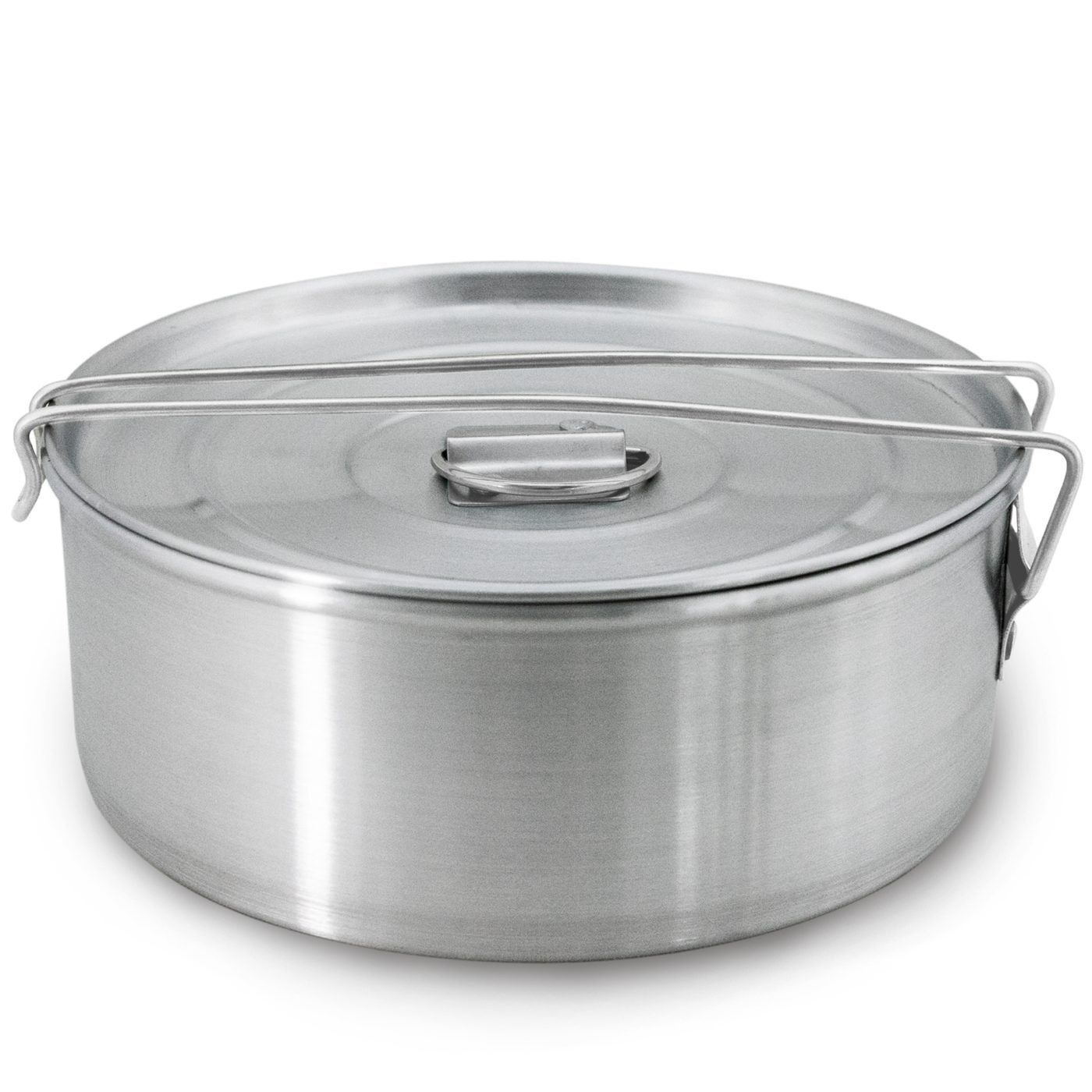
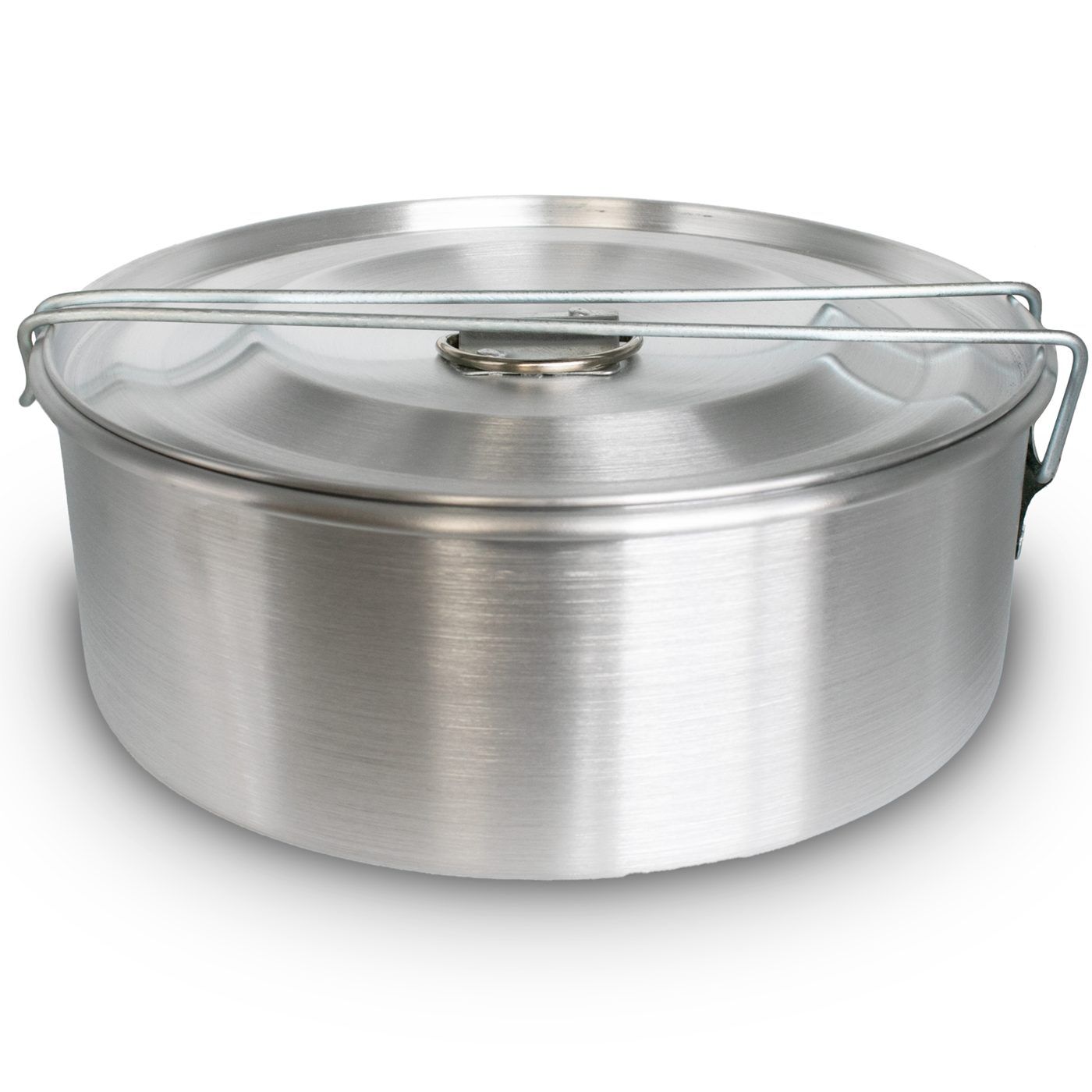
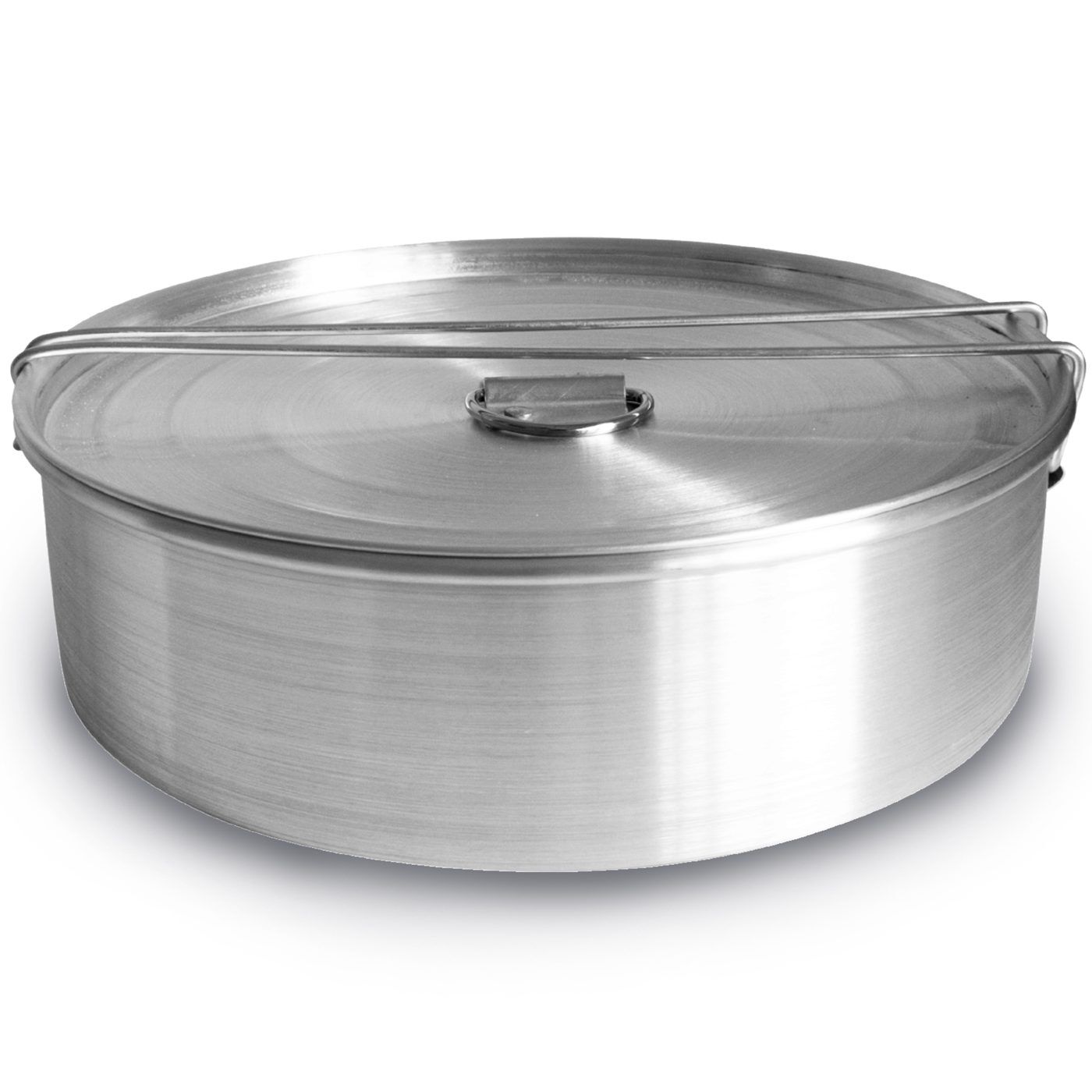
Authentic flan has traditionally been prepared in aluminum flan molds for generations — the same style of mold used in the recipes and regional variations covered throughout this guide. Globe Rocket makes traditional flaneras in three sizes, each built for stovetop caramelizing and oven baking in a water bath.

Globe Rocket Medium Flan Mold with lid
Best for small families

Medium Flan Mold

  • 1.75 Quart
  • 8–10 servings
  • Traditional aluminum
  • Includes lid
  • Made in Mexico
View Medium Flan Mold →
Globe Rocket Large Flan Mold with lid
Best for family dinners

Large Flan Mold

  • 2.25 Quart
  • 10–12 servings
  • Traditional aluminum
  • Includes lid
  • Made in Mexico
View Large Flan Mold →
Globe Rocket X-Large Flan Mold with lid
Best for celebrations

X-Large Flan Mold

  • 2.75 Quart
  • 12–14 servings
  • Traditional aluminum
  • Includes lid
  • Made in Mexico
View X-Large Flan Mold →

Aluminum flaneras have been used for generations because aluminum caramelizes sugar evenly on the stovetop and distributes heat gently during the water bath — exactly the conditions flan's custard needs to set smoothly. Explore our Complete Flan Mold Guide to compare sizes, materials, and capacities in more depth.

Section 11

Frequently Asked Questions

What is flan?

Flan is a baked custard dessert made from eggs, milk, sugar, and vanilla, poured over caramelized sugar and baked in a water bath until set. Once chilled, it's inverted onto a plate so the caramel becomes a glossy topping and sauce. It's one of the most popular desserts across Mexico, Spain, and Latin America. See What Is Flan? above for the full breakdown.
What is Mexican flan?

Mexican flan is a version of the classic custard dessert made richer with sweetened condensed and evaporated milk, giving it a denser, creamier texture than the simpler milk-and-egg flans of Spain. It's a staple at Mexican family meals, birthdays, and holidays, and it's the version most familiar to home cooks in the United States. Compare it with other regional versions in Different Types of Flan Around the World.

What is flan made of?

Traditional flan uses just a handful of ingredients: eggs, milk (often a mix of whole, evaporated, and sweetened condensed), sugar for the caramel, and vanilla for flavor. Some regional versions add cream cheese, citrus, coconut, or coffee, but the base stays simple. See What Is Flan Made Of? for what each ingredient contributes.

What does flan taste like?

Flan tastes rich and milky-sweet, with a custard body that carries warm vanilla notes and a deep, slightly bitter caramel sauce that balances the sweetness. The texture is silky and dense, closer to a firm pudding than a cake, and it's always served cold. Read more in What Does Flan Taste Like?

Where did flan originate?

Flan's roots trace back to ancient Rome, where egg-based custards called "fladones" were made in both sweet and savory versions. Spain later added caramelized sugar and turned it into a true dessert, and Spanish colonization carried it to Mexico and the rest of Latin America starting in the 1500s. See The History of Flan for the full timeline.

Is flan originally Mexican?

Not originally, no. Food historians trace flan back to ancient Rome and its later development as a sweet dessert in Spain, which brought it to Mexico during the colonial era. Flan became so central to Mexican home cooking and celebrations, though, that it's now closely associated with Mexican cuisine worldwide.

What is the difference between Spanish flan and Mexican flan?

Spanish flan is typically made with just milk, eggs, sugar, and sometimes a splash of citrus or sherry, giving it a lighter, more delicate custard. Mexican flan usually adds sweetened condensed and evaporated milk, making it denser, richer, and sweeter than its Spanish counterpart. See the full comparison in Different Types of Flan Around the World.

Are there different types of flan?

Yes. Nearly every country that adopted flan developed its own version, including Spanish flan, Mexican flan, Filipino leche flan, Venezuelan quesillo, Brazilian pudim, Argentine flan mixto, and French crème caramel. Each has its own texture, ingredients, and serving traditions — see Different Types of Flan Around the World.

Is flan a custard?

Yes. Flan belongs to the baked custard family, meaning it sets through the gentle heat-based coagulation of egg proteins in milk, rather than through gelatin, cornstarch, or whipping. What sets flan apart from other baked custards is the layer of caramelized sugar poured into the mold before baking. See What Is Flan? for more.

Why is flan so creamy?

Flan's creaminess comes from its high ratio of eggs and dairy combined with slow, gentle baking. Cooking it in a water bath keeps the custard from overheating, so the egg proteins set softly instead of tightening up and turning rubbery or grainy. See Why Flan Has Such a Smooth Texture for the full explanation.

Why does flan jiggle?

Flan jiggles because it's set almost entirely by lightly coagulated egg proteins rather than a firmer stabilizer like gelatin or flour. A properly baked flan should hold its shape once unmolded but still wobble gently in the center, which is actually a sign it wasn't overbaked.

Is flan the same as crème caramel?

Flan and crème caramel are essentially the same dessert under different names. "Crème caramel" is the French term, while "flan" is the name used in Spain and across Latin America; Mexican flan is often richer than the classic French version because of the added condensed and evaporated milk. See the full comparison in Flan vs. Other Custard Desserts.

What is the difference between flan and crème brûlée?

Flan and crème brûlée are both baked egg custards, but they part ways at the caramel. Flan's caramel is made separately and poured into the mold before baking, becoming a sauce once the flan is unmolded, while crème brûlée is topped with sugar that's torched right before serving to form a crisp, brittle shell. See Flan vs. Other Custard Desserts for the full table.

Is flan served hot or cold?

Flan is always served cold. It needs several hours in the refrigerator, ideally overnight, to fully set, firm up enough to unmold cleanly, and let the caramel soften into more sauce.

What do you serve with flan?

Flan is traditionally served on its own with its caramel sauce, though a dollop of whipped cream, fresh berries, or a dusting of cinnamon are common additions. In Argentina, it's often paired with a scoop of dulce de leche; in many households, a cup of coffee alongside is standard.

Continue Your Flan Journey

Whether you're just discovering flan or ready to perfect your technique, our Flan Hub brings together everything you need in one place. Explore authentic recipes, learn traditional baking methods, compare flan molds, and find expert answers to the most common questions about making perfect flan at home.

Explore the Complete Flan Hub →