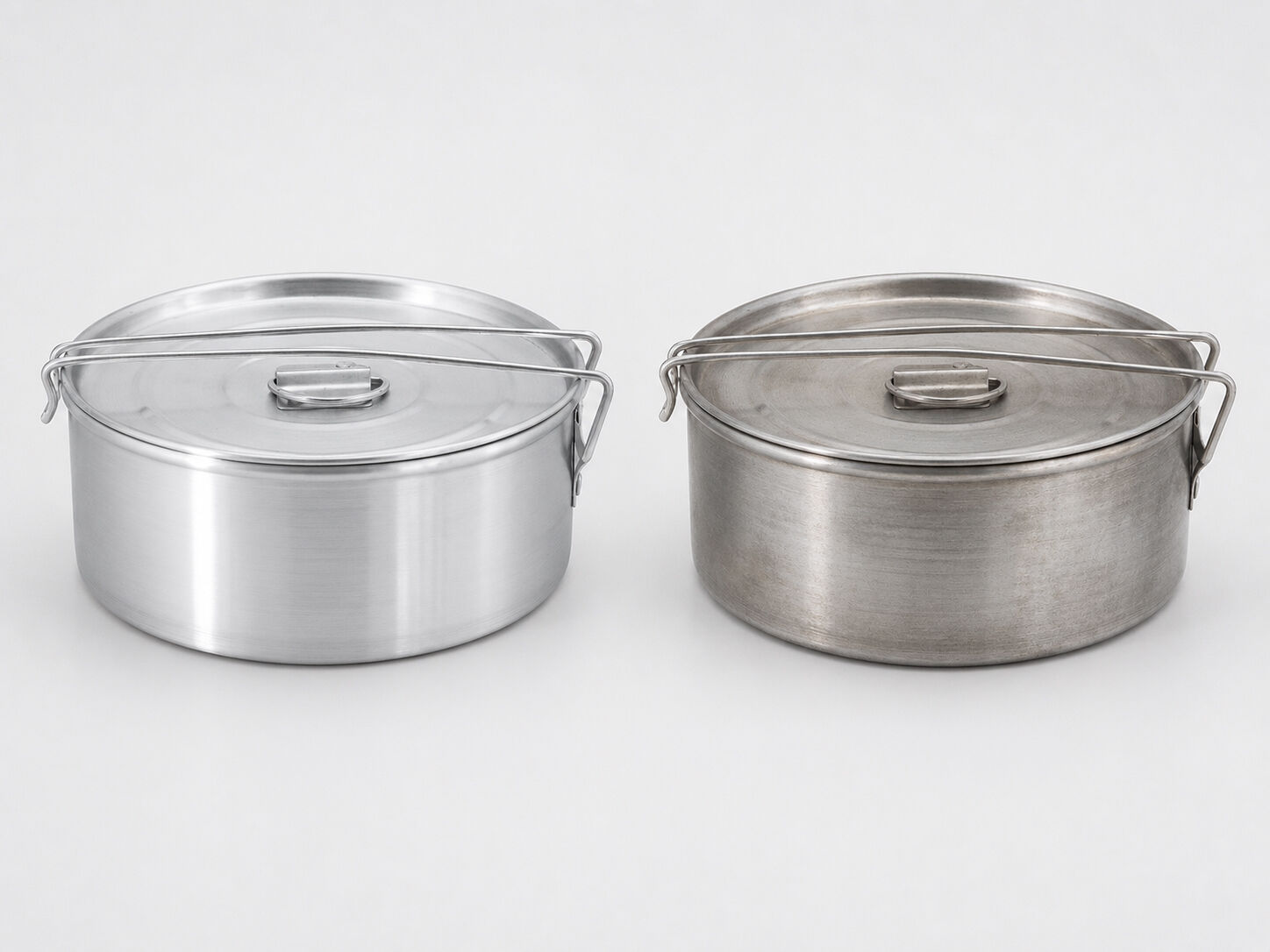
A complete breakdown of the Globe Rocket flan mold—its materials, available sizes, proper use, care instructions, and real customer feedback.
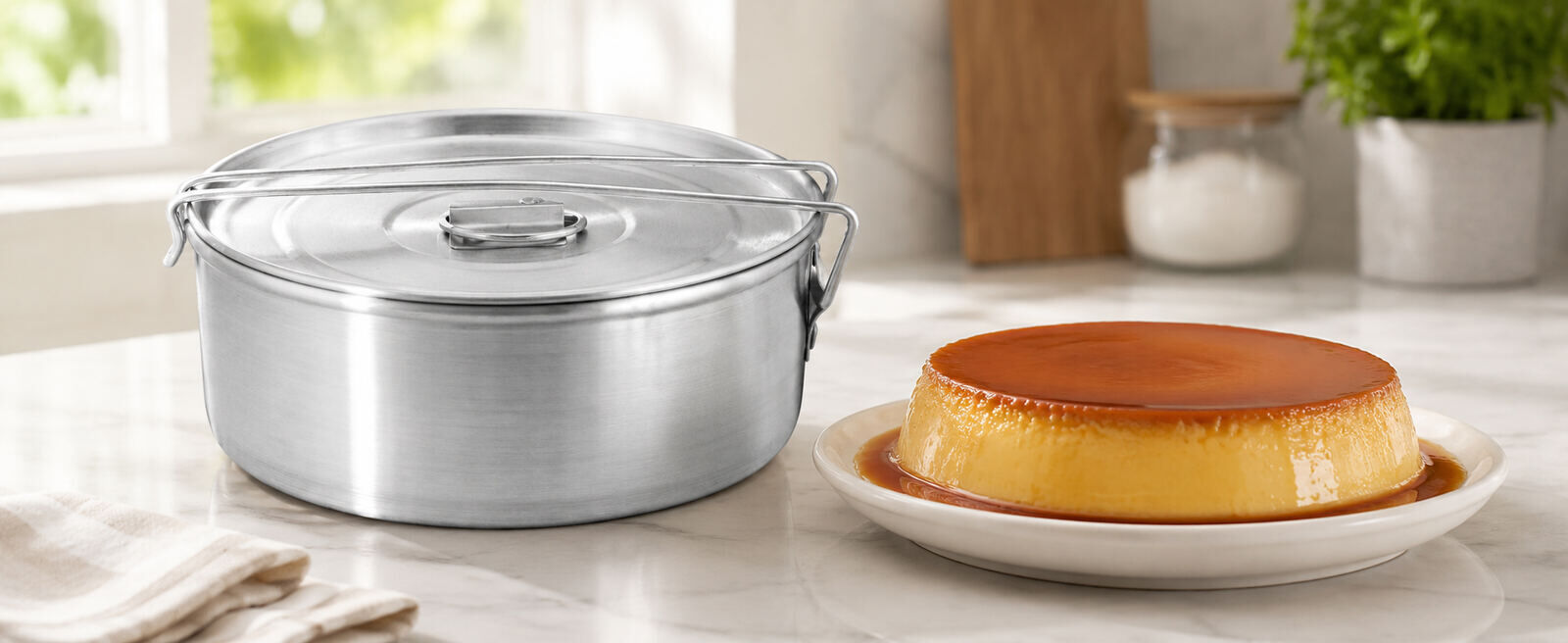
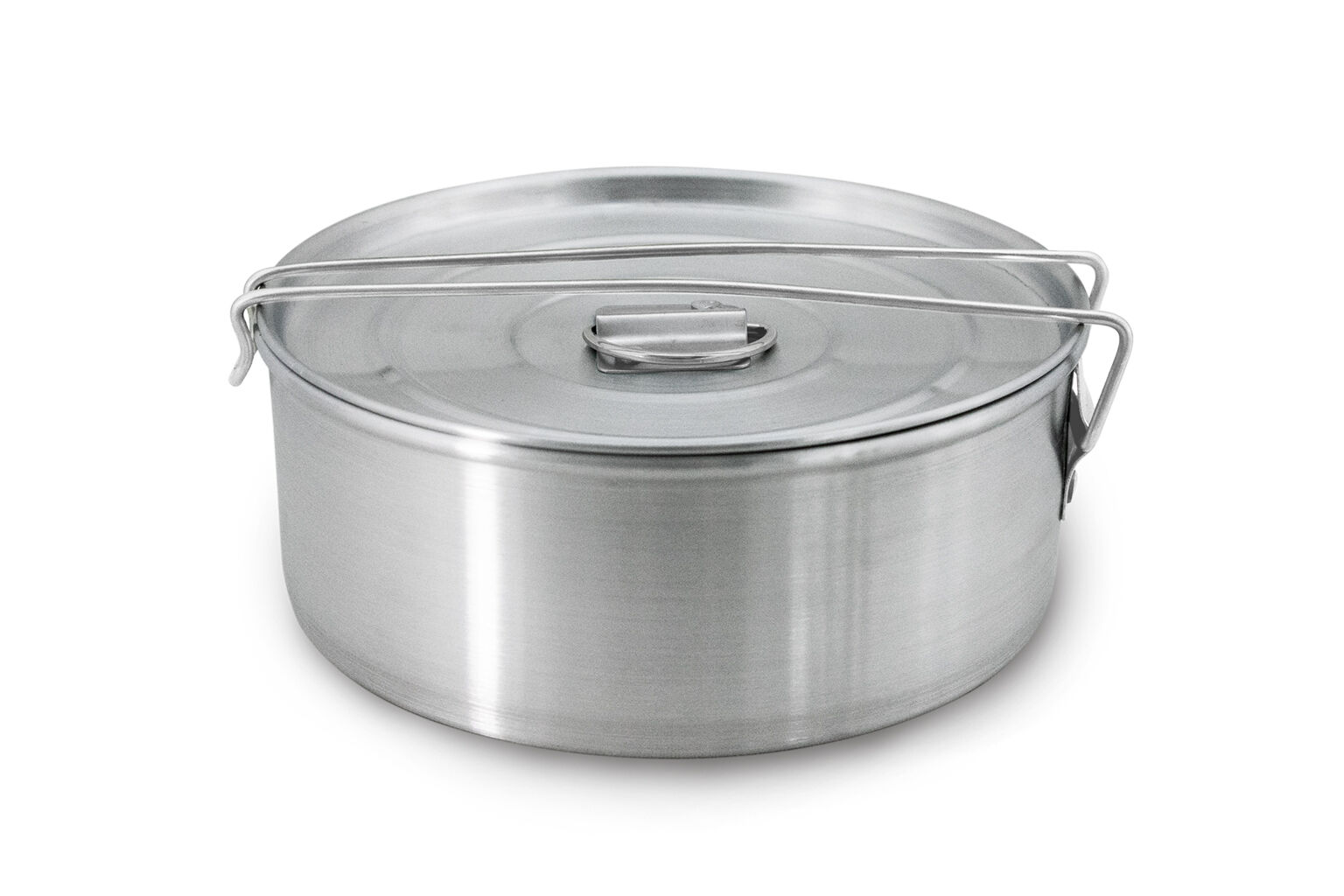
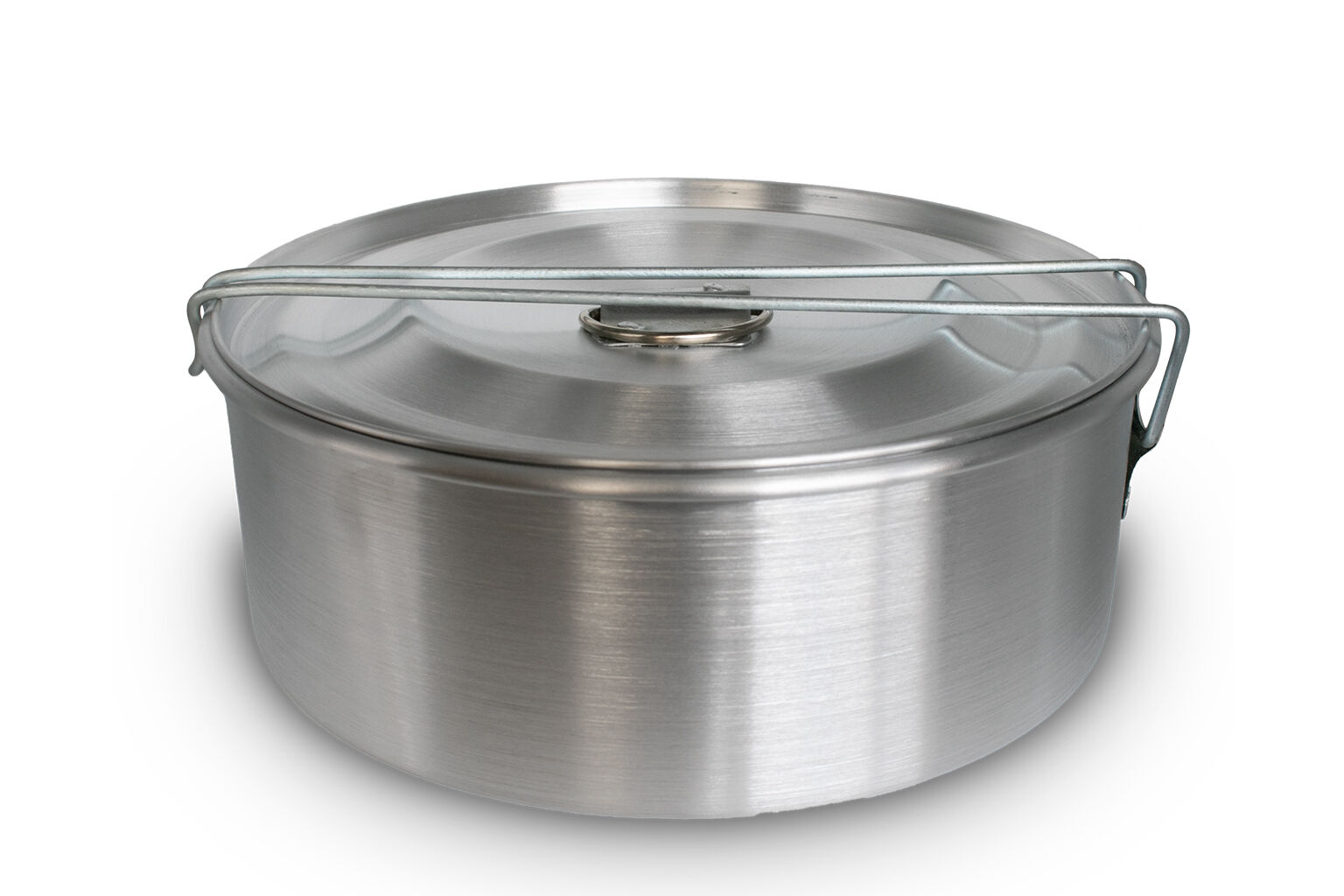
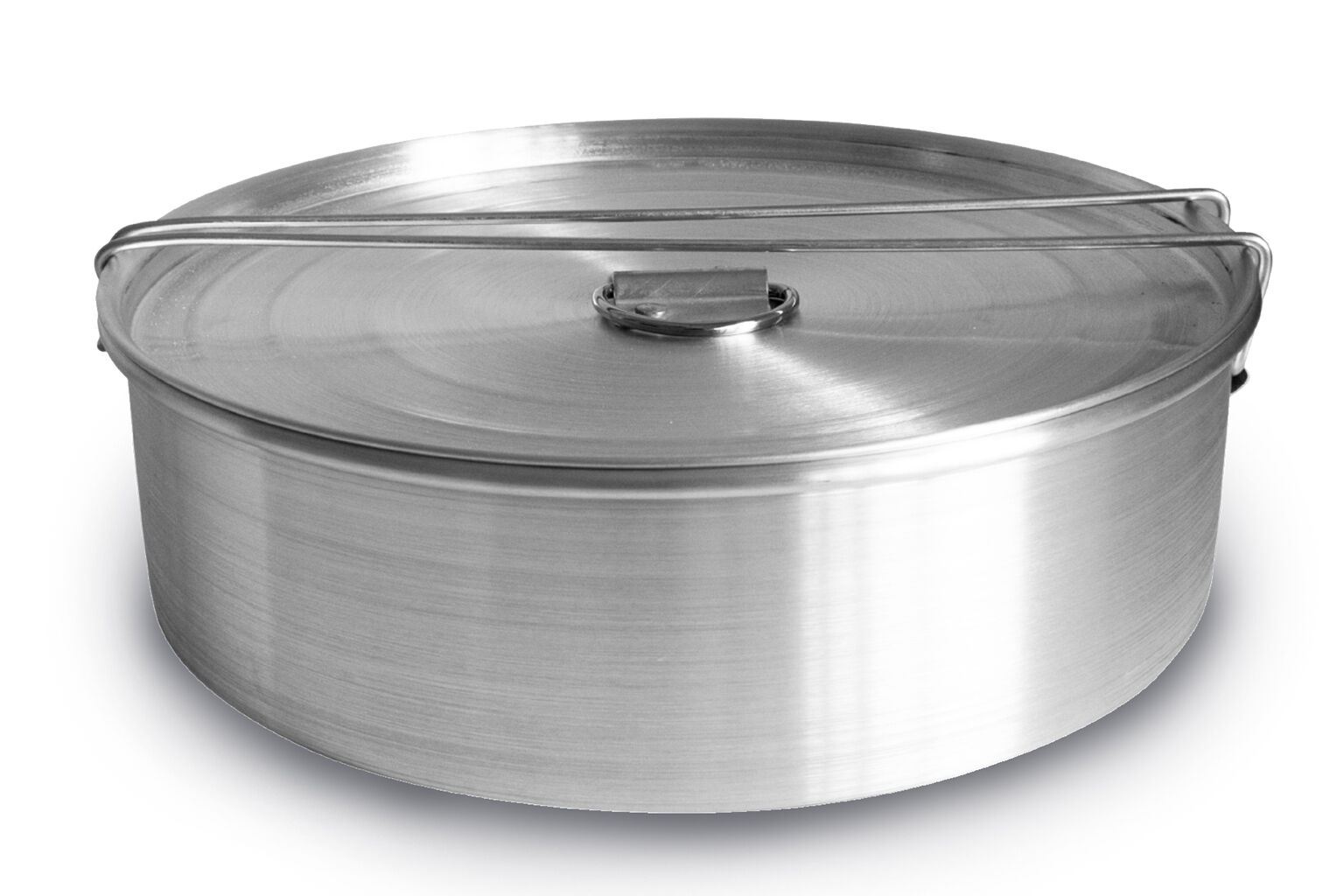
Compare Mold SizesThe Globe Rocket flan mold, traditionally called a flanera, is designed for preparing flan, leche flan, quesillo, custards, cheesecakes, puddings, quiches, and other baked dishes using the Baño María water-bath method. Each flanera includes a fitted lid and is available in Medium, Large, and X-Large sizes. The collection uses a 75% aluminum and 25% galvanized steel construction.
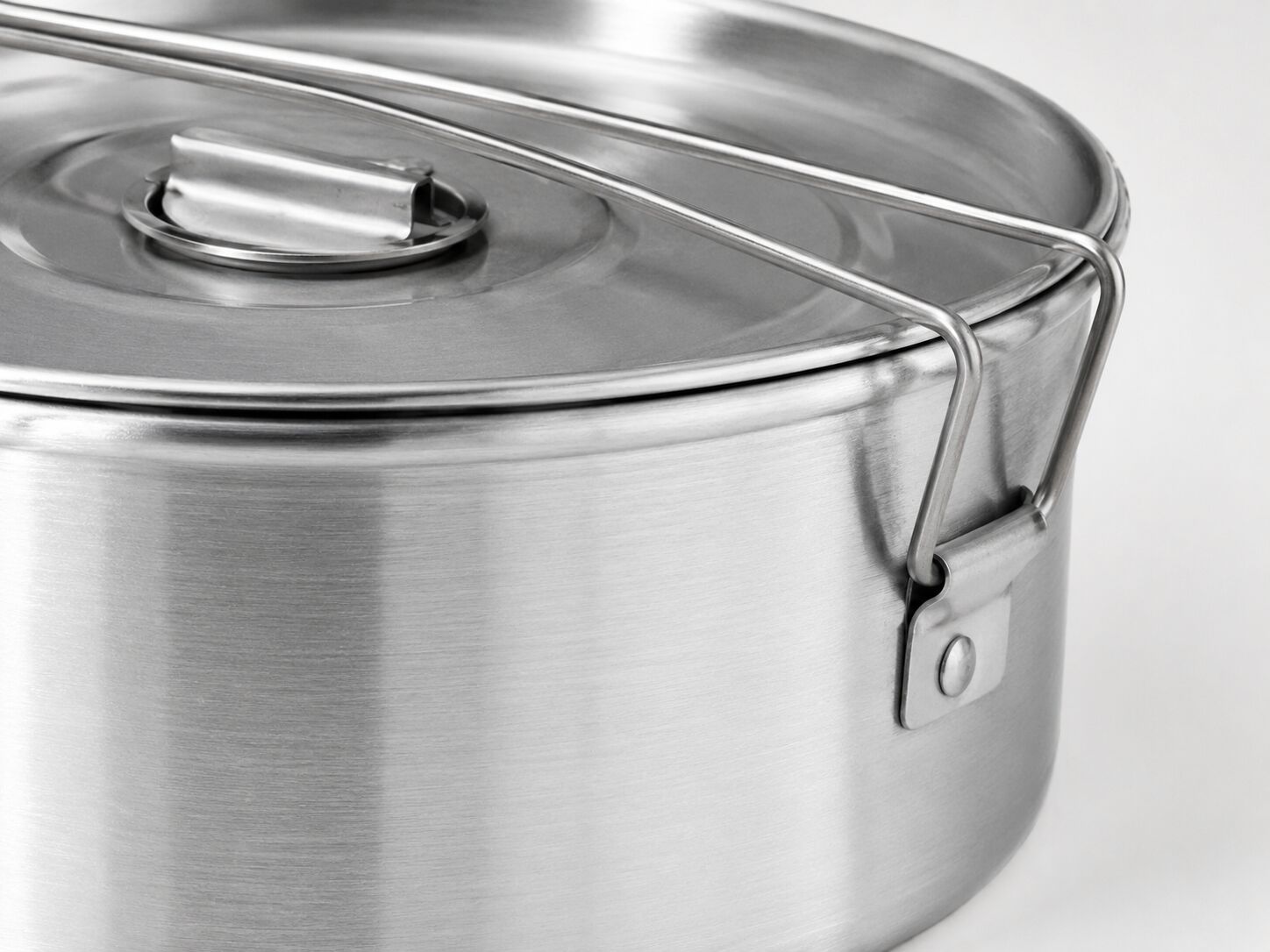
The Globe Rocket flan mold is made from:
Aluminum heats quickly and distributes heat evenly. This makes it especially useful for caramelizing sugar directly in the mold and cooking delicate custard gradually in a water bath. The galvanized steel components help reinforce the structure and support the fitted lid.
Because this is traditional aluminum cookware, the surface may naturally darken, stain, or change color after repeated exposure to heat, water, caramelized sugar, and minerals in tap water. This cosmetic change is normal and does not affect the mold’s functionality or cooking performance.
Aluminum responds quickly to temperature changes and spreads heat across the mold. This helps caramelize sugar evenly and allows the custard to cook consistently.
The mold transfers gentle heat from the surrounding water to the custard, helping reduce cracks, bubbles, curdling, and overcooked edges.
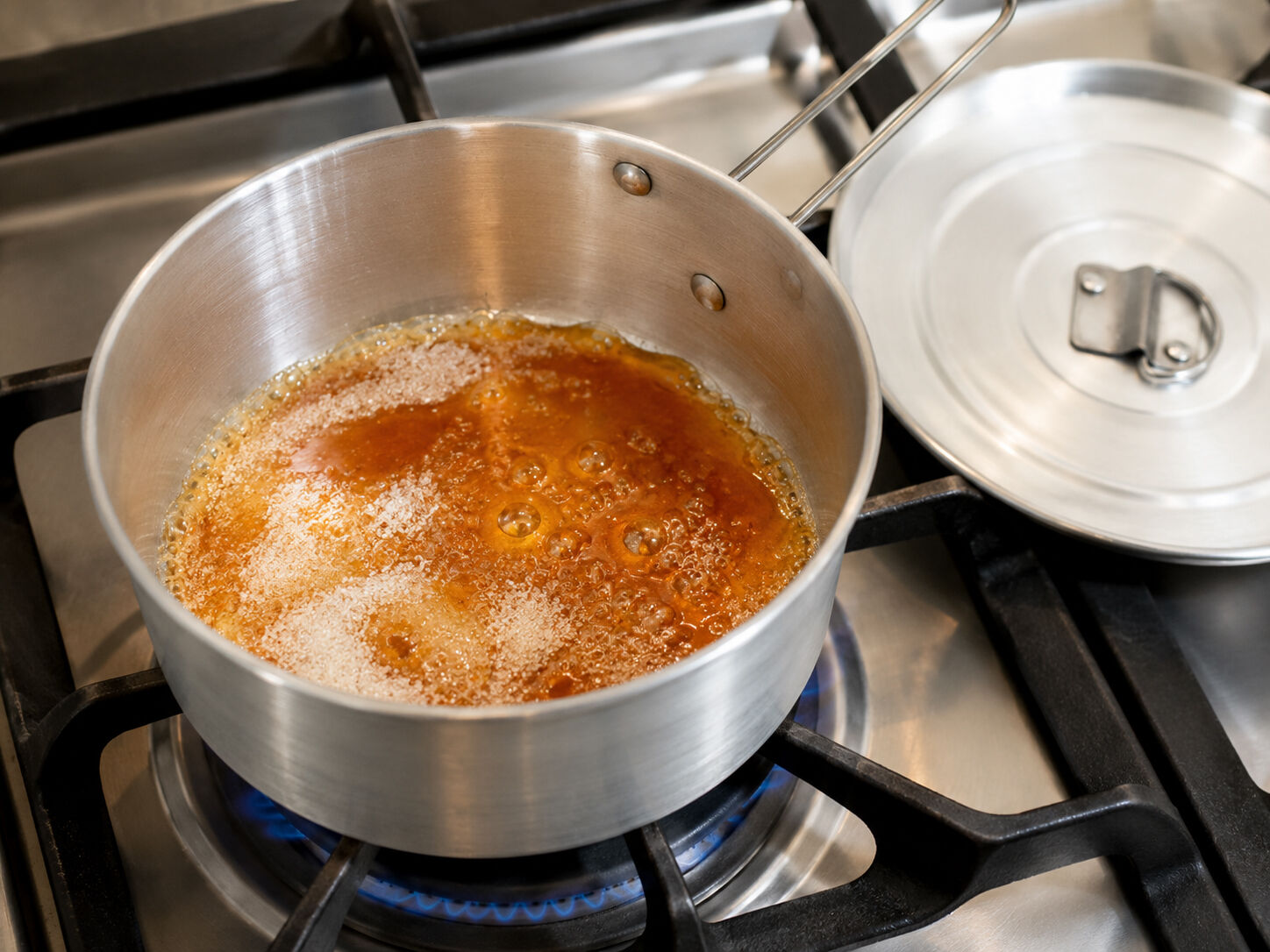
The flanera can be used carefully on compatible gas or electric stovetops to prepare caramel before being transferred to the oven inside a water bath. It is not designed for induction cooktops.
Round aluminum flan molds have been used for generations in Mexican and Latin American kitchens. The reusable construction and fitted lid follow the traditional flanera design.
The best size depends on your recipe, the number of people you plan to serve, and the portion size you prefer.
Works well for everyday family desserts.
Best for: small households, standard family desserts, first-time flan makers, and smaller ovens and refrigerators.
Buy on Amazon – $28.99
Offers more capacity while remaining practical for regular home baking.
Best for: family gatherings, holiday meals, larger recipes, generous portions, and regular hosting.
Buy on Amazon – $32.99
Intended for parties, large families, celebrations, and recipes requiring additional capacity.
Best for: large celebrations, multigenerational gatherings, parties and holiday meals, large-batch recipes, and wider slices or additional servings.
Buy on Amazon – $37.99The Large is generally the most versatile option for customers who want more capacity than the Medium provides.
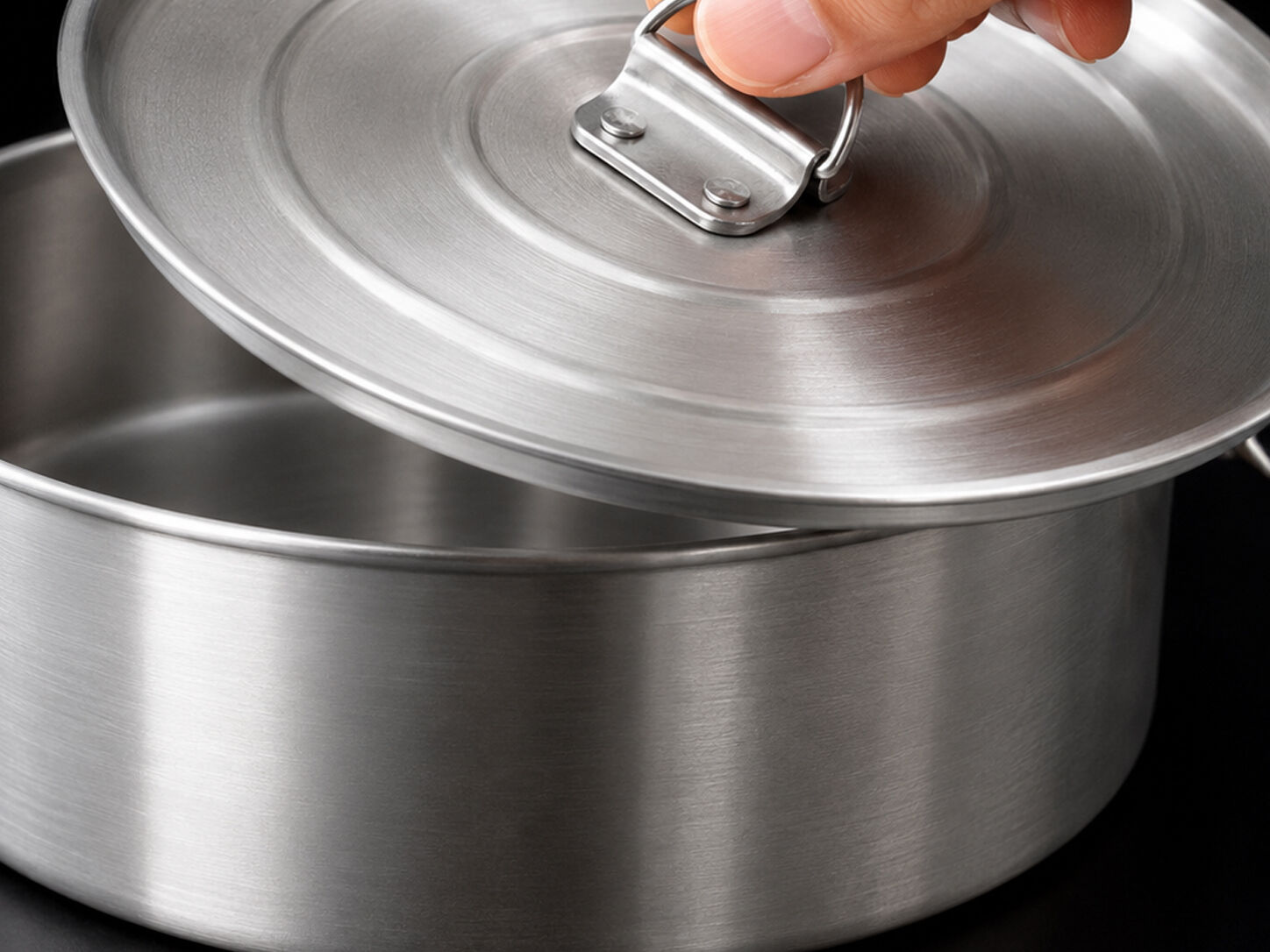
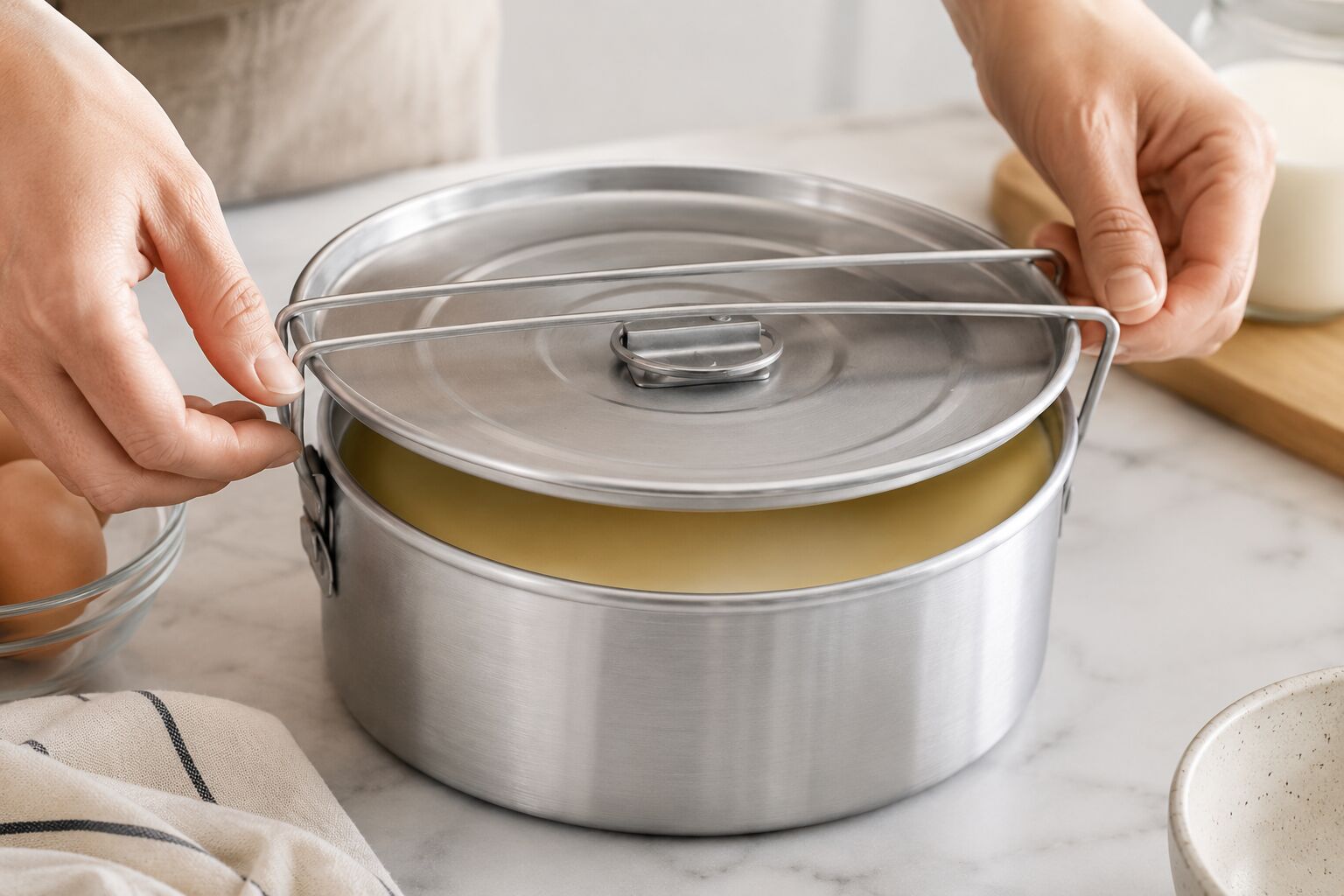
The fitted lid helps:
The lid protects the flan, but it should not be treated as completely watertight. Handle the mold carefully while it is inside the water bath.
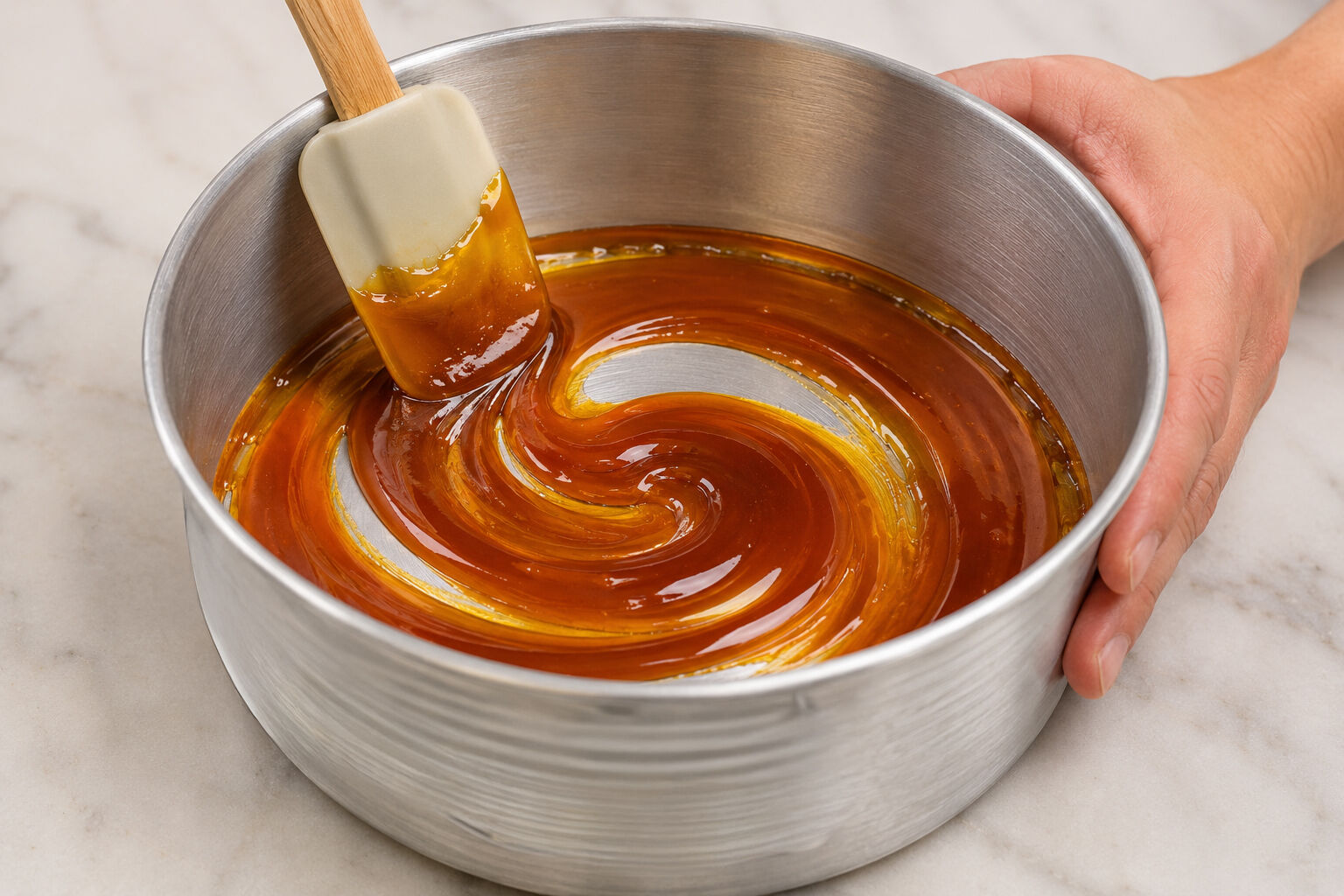
Add sugar to the bottom of the aluminum mold and heat it carefully according to your recipe. Move the mold gently so the melted caramel coats the bottom. Use oven mitts or heat-resistant protection because both the mold and caramel become extremely hot.
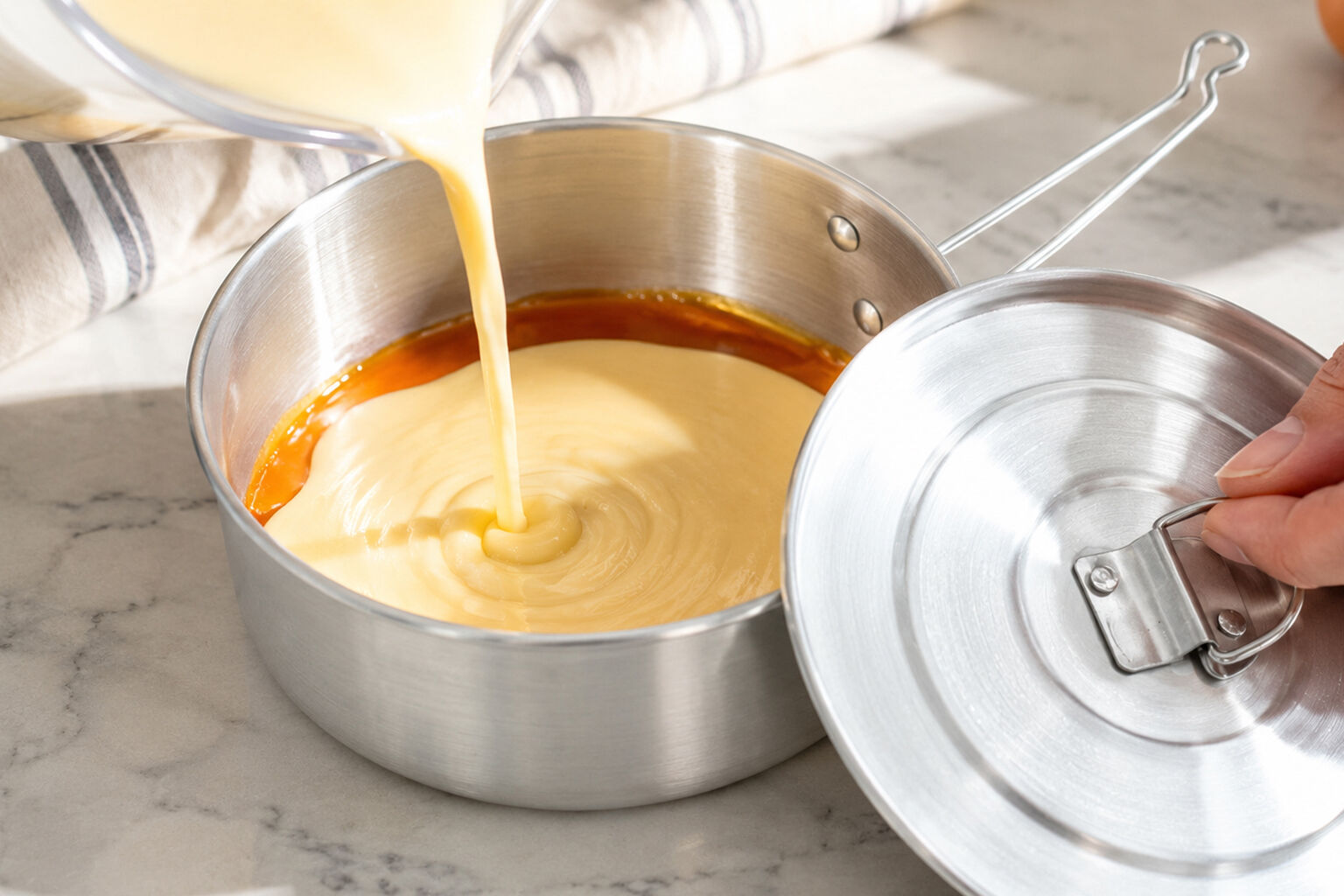
Allow the caramel to settle briefly, then pour the prepared custard mixture into the mold. Pour slowly and avoid overmixing the custard, as excess air can create bubbles in the finished flan.
Place the fitted lid on the mold before transferring it to the water bath. Make sure the lid is positioned correctly. Do not force or bend it.
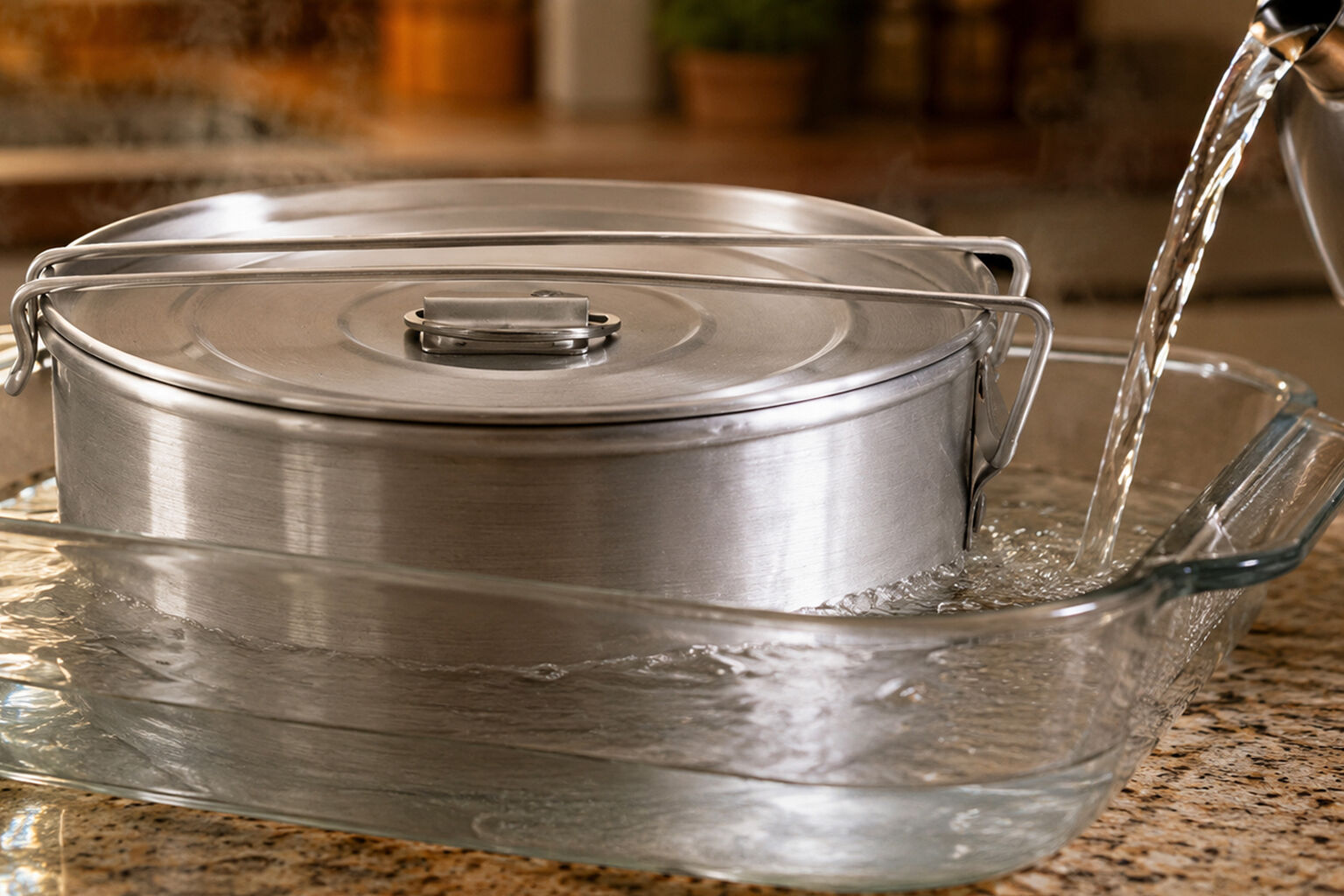
Place the covered flanera inside a larger glass or aluminum baking pan. Add hot water to the outer pan until it reaches approximately halfway up the sides of the flan mold.
Bake according to your recipe until the edges are set and the center still jiggles slightly. Remove the mold carefully from the water bath, allow it to cool, and refrigerate it for at least four hours, preferably overnight, before unmolding.
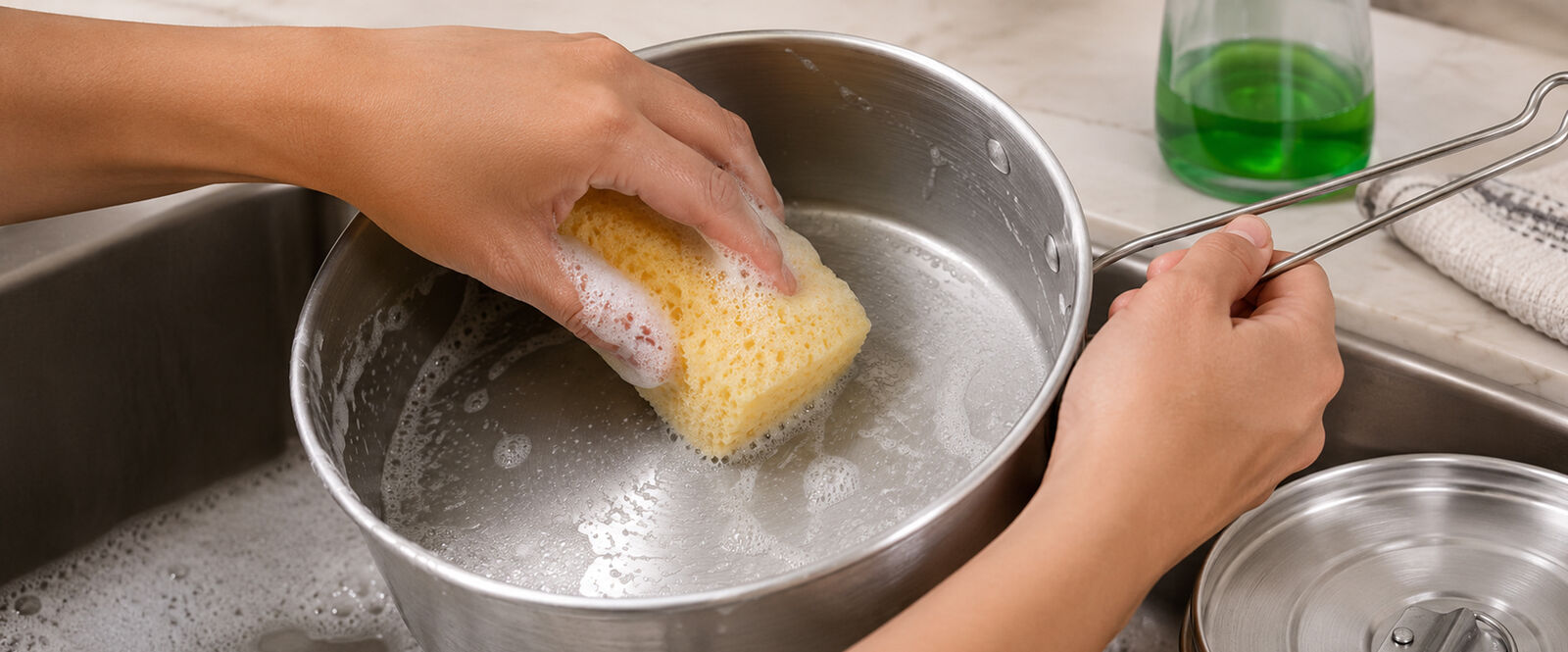
Allow the flanera to cool completely. Wash it with mild dish soap, warm water, and a soft sponge.
Dry the mold and lid immediately after washing. Do not store the flanera while it is wet.
Do not use:
These products may scratch or damage the aluminum surface.
Dishwasher detergent, high heat, and prolonged moisture exposure may darken, stain, scratch, or damage aluminum cookware. Hand washing is recommended.
Use a glass or aluminum outer pan when preparing the Baño María. Contact between aluminum and certain other metals in hot water may contribute to staining or discoloration.
Make sure the mold and lid are completely dry before storage. Store the lid loosely to avoid trapping moisture inside the flanera.
Yes. Aluminum may develop dark spots, dull areas, stains, or color changes after repeated use. Possible causes include:
These changes are normally cosmetic and do not affect how the mold heats, cooks, or functions. A flan mold does not need to remain perfectly shiny to work properly.
Customer feedback is generally strongest around functionality, ease of use, clean unmolding, even cooking, and ease of cleaning. Many buyers report good results when the mold is used correctly with a water bath. Several customers also appreciate that a recipe is included.
Customers frequently mention:
I bought this pan 3 years ago and it has been a game changer for me. My family loves flans, so I have made dozens since purchasing it. They come out perfectly each time. I rarely go back years later to write reviews on previous purchases that I have made, but I thought this would be worthwhile. I plan on purchasing another one so that I can make two at a time.
Loved the mold, I’ve made so many flan. Everyone love it. 100 percent recommended the mold. I am buying another one. Lid keep water out too.
I personally liked the size as it was easy to flip onto a platter. I know many people say it was too small so, I say for the price you could either plan and make two or just buy a second mold. My first flan came out perfectly and tasted delicious. I followed the recipe that came with the mold. I do want to experiment making a cheese flan as well as other flavors. I was very happy with my purchase.
Review notice: Reviews are reproduced as written, including original grammar and punctuation. Reviews reflect individual customer experiences.
A round aluminum flan mold with a fitted lid is one of the best choices. Aluminum heats quickly and evenly, making it suitable for caramelizing sugar and gently cooking custard in a Baño María. Glass and ceramic dishes can also hold flan, but they cannot normally be used to caramelize sugar directly over a stovetop burner.
The best size depends on your recipe and the number of servings needed. A mold measuring approximately 7 to 8 inches internally works well for a standard family-sized flan. Larger molds are better for gatherings or recipes containing more custard. Always compare the recipe volume with the mold’s capacity.
Flan molds vary, but common household sizes are approximately 8 to 10.5 inches across externally. The Globe Rocket collection includes Medium, Large, and X-Large options with capacities ranging from approximately 1.75 to 2.75 quarts.
Use an oven-safe pan that fits inside a larger water-bath pan. A traditional aluminum flanera with a fitted lid is preferred because it allows you to caramelize sugar, add the custard, cover it, and bake everything in the same mold.
Yes. Aluminum is one of the traditional and most practical materials for making flan. It conducts heat efficiently, works well for caramelizing sugar, and transfers the gentle heat of the water bath evenly to the custard.
Yes, flan can be baked in an oven-safe glass dish, provided the manufacturer confirms that it is suitable for oven use. Do not place ordinary glass directly on a stovetop burner to make caramel. Prepare the caramel separately and transfer it carefully to the dish. Avoid sudden temperature changes that may cause glass cookware to crack.
Yes, an oven-safe ceramic pan can be used for flan. However, ceramic heats more slowly than aluminum and cannot usually be placed directly over a burner to prepare caramel. Cooking time may also vary because ceramic retains heat differently.
Flan can be prepared in an oven-safe silicone mold, but silicone does not conduct heat like aluminum. It is flexible, which may make transferring liquid custard into a water bath difficult. It also cannot be used directly on the stovetop to caramelize sugar. A rigid metal flanera is usually easier to handle and provides more predictable heating.
Possible alternatives include:
The container must fit inside a larger water-bath pan and should be covered with a fitted lid or securely placed aluminum foil.
A traditional flan pan generally does not need to be greased. The caramel layer helps the chilled flan release from the mold. Grease may interfere with the caramel and change the surface or flavor of the dessert. After chilling, loosen the edges gently with a thin knife before inverting the flan onto a plate.
Flan is generally better when baked covered. A fitted lid or securely placed aluminum foil helps protect the custard from direct heat, prevents condensation from falling onto the surface, and reduces the risk of water entering the mold.
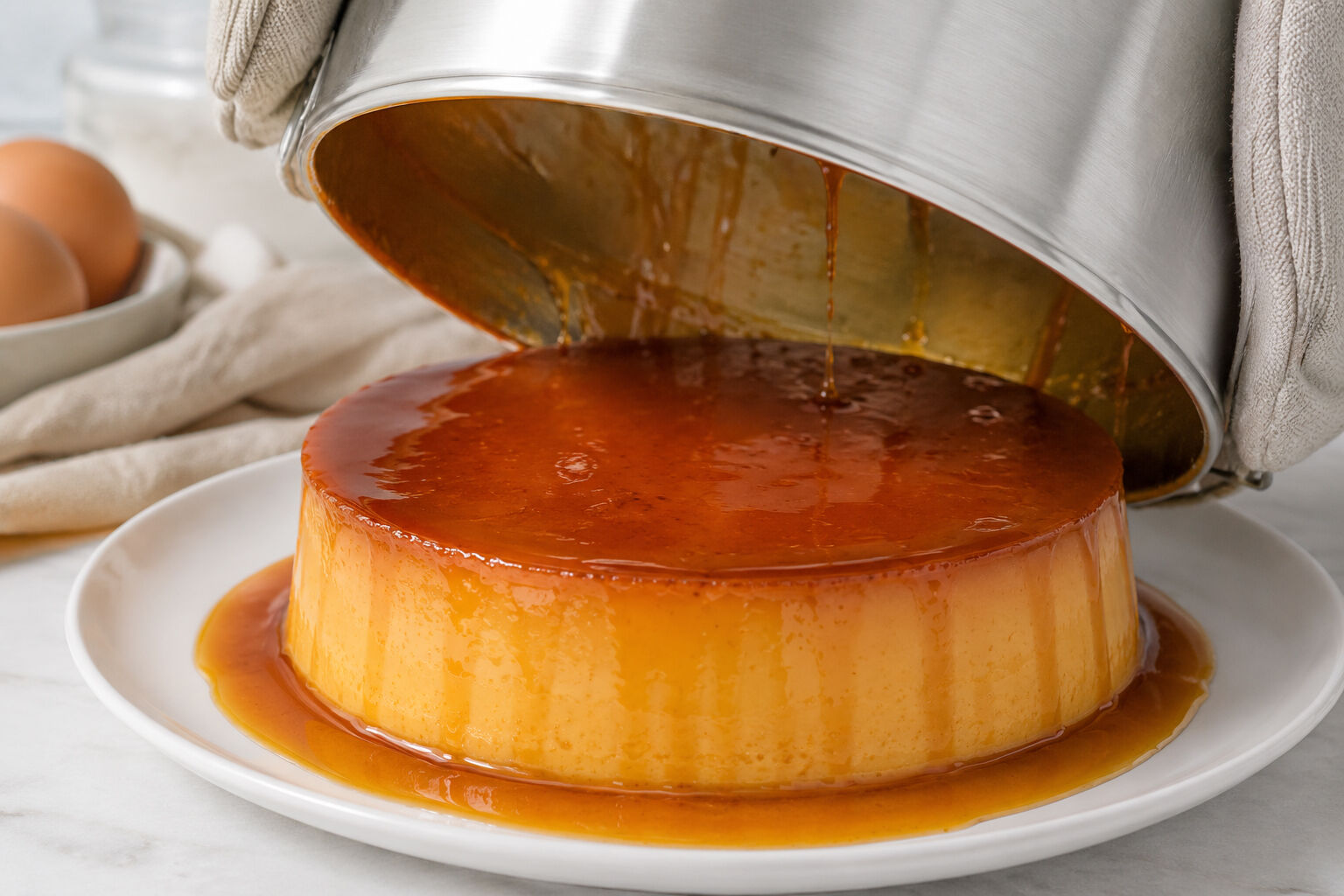
Do not unmold flan immediately after baking. Allow it to cool, then refrigerate it for at least four hours, preferably overnight. Once thoroughly chilled, loosen the edges carefully and invert it onto a serving plate.
Run a thin knife gently around the outer edge of the chilled flan. Place a serving plate over the mold, hold both pieces securely, and invert them together in one controlled movement. Allow a few seconds for the caramel and custard to release. Do not force the flan out while it is warm.
Aluminum may naturally darken, stain, or become dull after exposure to heat, minerals in water, caramelized sugar, food residue, dishwasher detergent, or contact with certain metals. This discoloration is normally cosmetic and does not affect the mold’s functionality or ability to cook flan. To reduce staining, wash the mold by hand, dry it completely, and use a glass or aluminum outer pan for the water bath.
Do not clean an aluminum flan mold with steel wool, metal scrubbers, harsh abrasive powders, strong chemical cleaners, or dishwasher detergent. Avoid prolonged soaking in acidic cleaners such as vinegar unless the cookware manufacturer specifically recommends it. Acidic or alkaline products may discolor or damage unfinished aluminum. Use mild dish soap, warm water, and a soft nonabrasive sponge instead.
Whether you're searching for your next recipe or learning the techniques behind perfect homemade flan, our Flan Hub brings together recipes, baking guides, mold comparisons, and expert tips to help you master one of Latin America's most beloved desserts.
Explore the Complete Flan Hub →