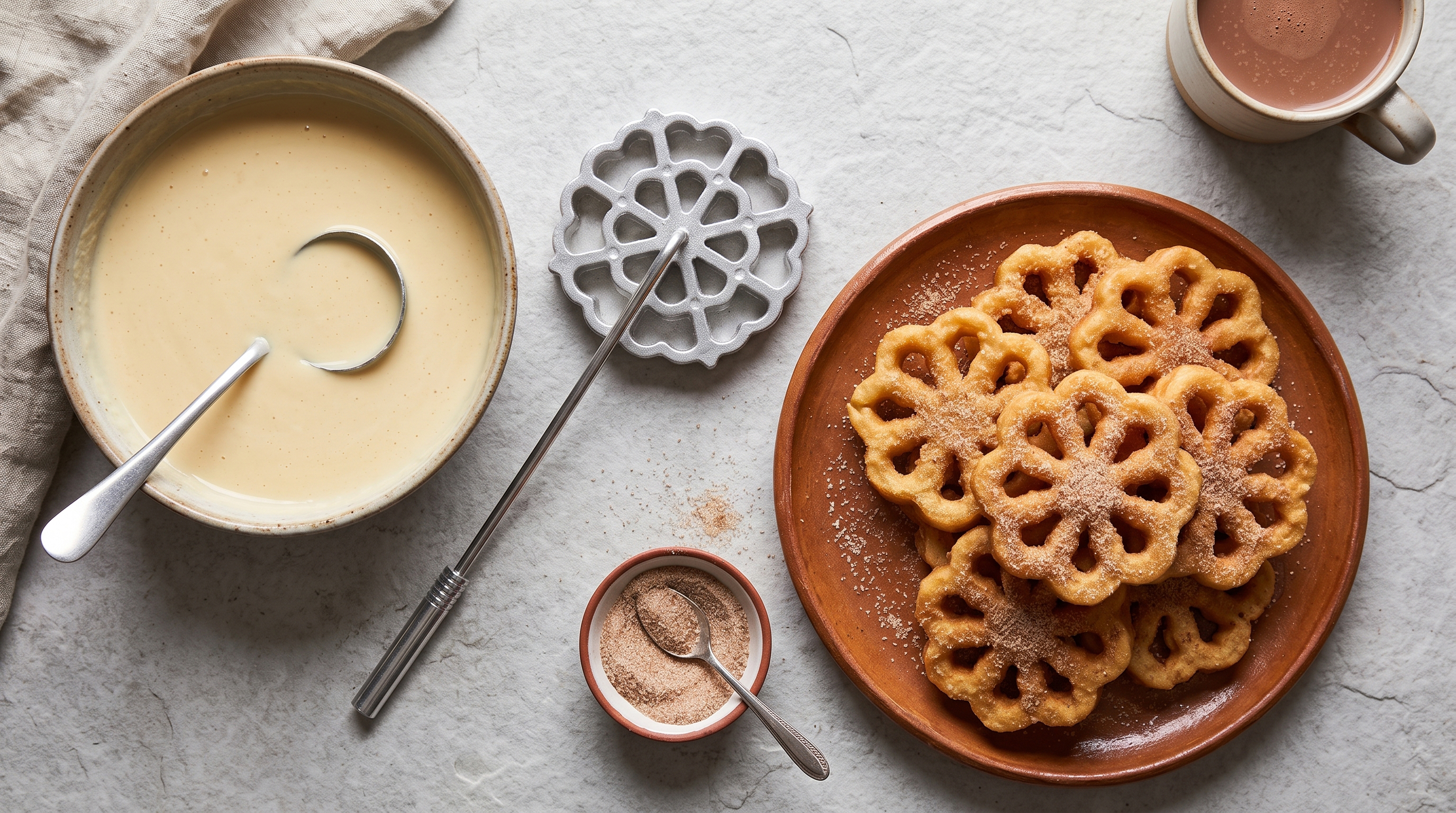
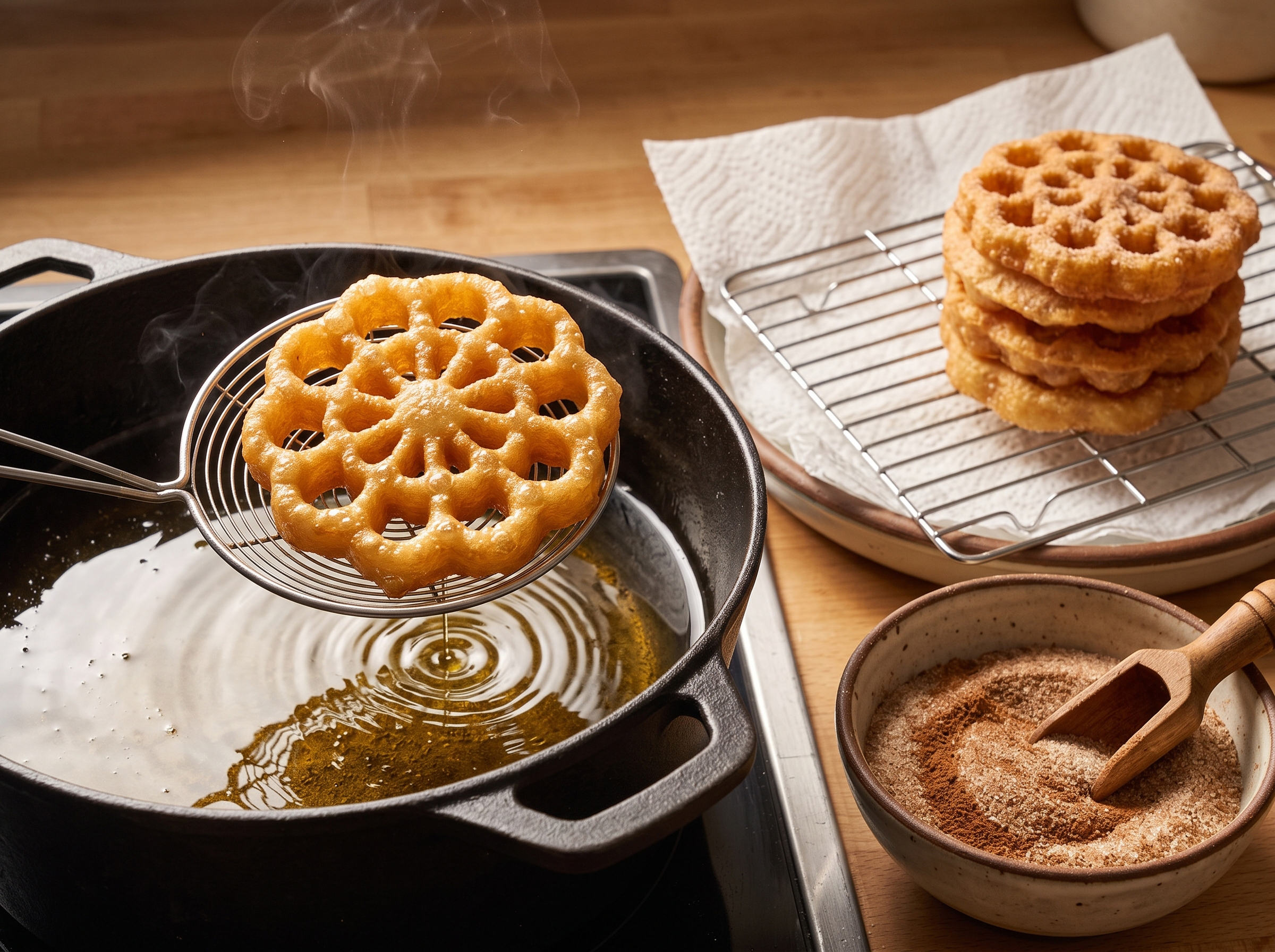
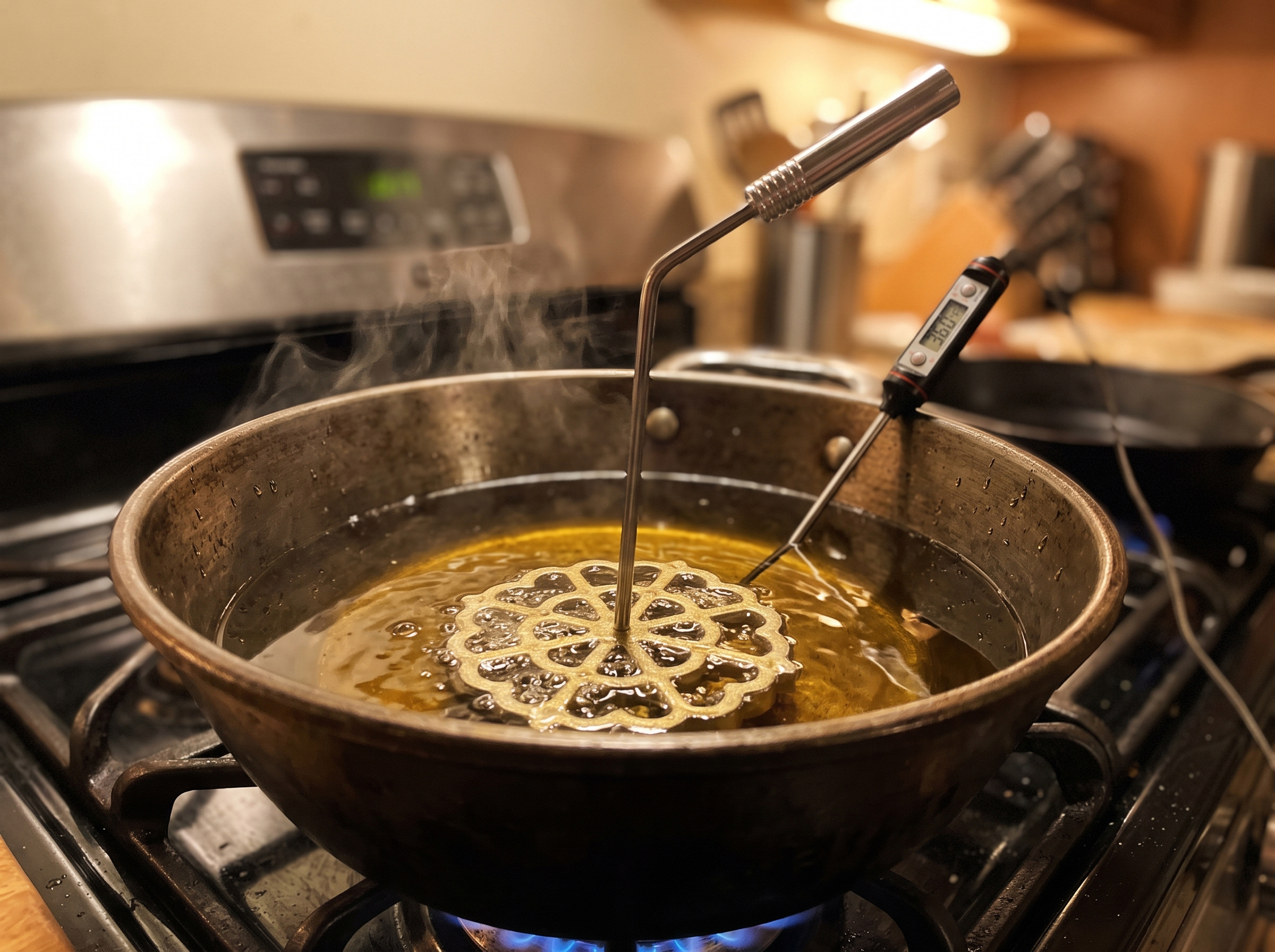
Buñuelos de viento — sometimes called wind fritters or rosette cookies — are a thin, crisp, flower-shaped fried pastry finished in cinnamon sugar, and one of the most recognizable treats at Mexican Christmas tables and Día de los Muertos celebrations. The dish depends on a single tool: a flower-shaped metal mold, heated and dipped first into batter, then into hot oil, where the shape releases and fries into a lacy, golden shell. This hub walks through what a buñuelo de viento actually is, how to choose the right mold size for your kitchen, and where to find the full technique and a tested recipe built around it.
Shop the Globe Rocket Store“Buñuelo” is Spanish for a small piece of fried dough or batter, similar to a fritter or doughnut. Buñuelos de viento (“wind fritters”) refer specifically to the mold-made version made with this tool — not to be confused with the flat, tortilla-like buñuelos disc served without a mold, or with sopapillas, a separate leavened fried dough popular in Mexican-American and Southwestern U.S. cooking. Want the full breakdown, including origin and how it’s served? See the full What Is a Buñuelo de Viento? guide.
Buñuelos trace back to Spain and were brought to the Americas during Spanish colonization, later developing distinct regional variations across Mexico, Central America, and South America. The mold-made, flower-shaped version — buñuelos de viento — became its own tradition, especially associated with Christmas and Día de los Muertos.
The batter is simple: flour, eggs, milk, sugar, and salt, dipped onto a hot mold and fried until it releases into a thin, crisp, lacy shell. Buñuelos de viento are traditionally served warm, dusted with cinnamon sugar or drizzled with syrup such as piloncillo or honey.
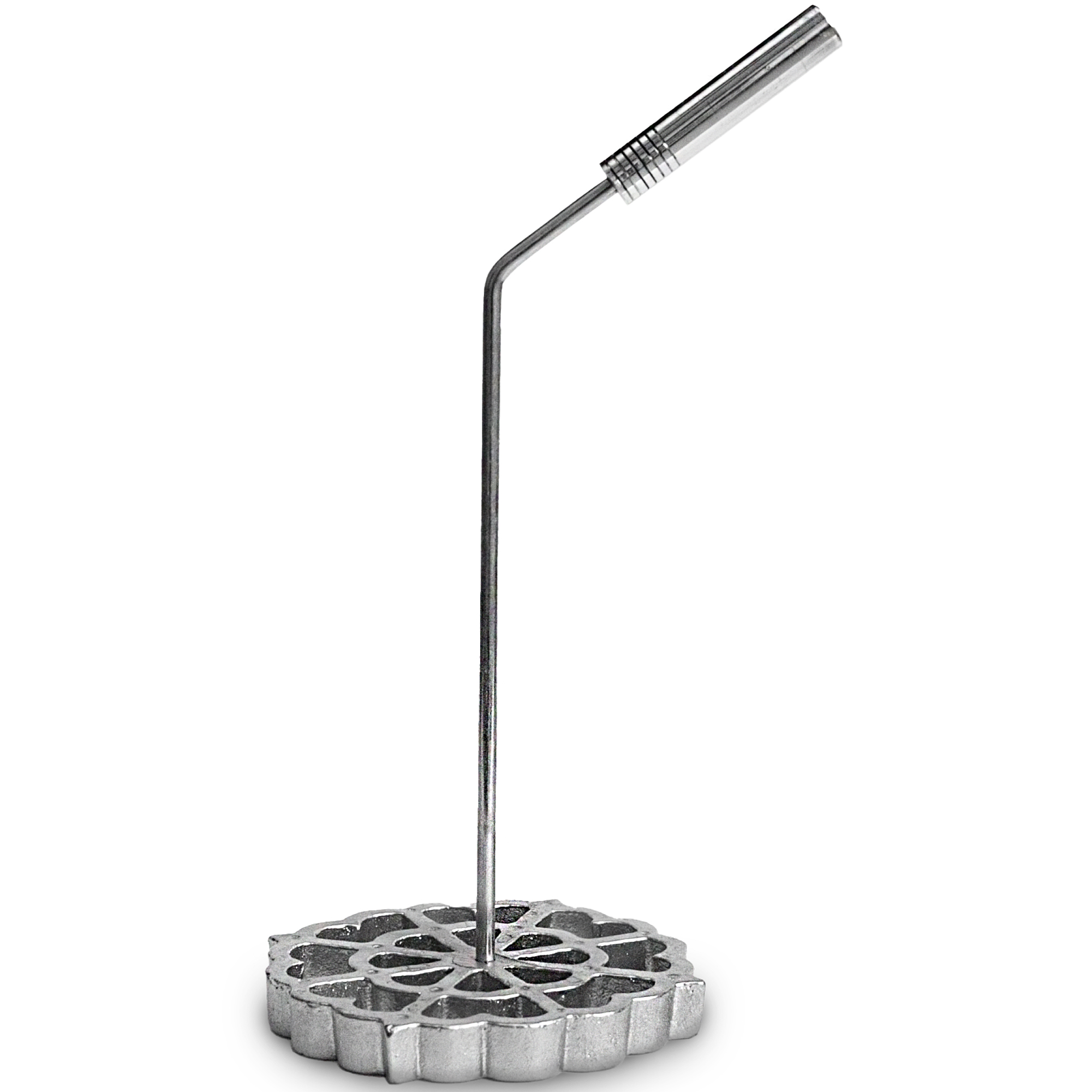
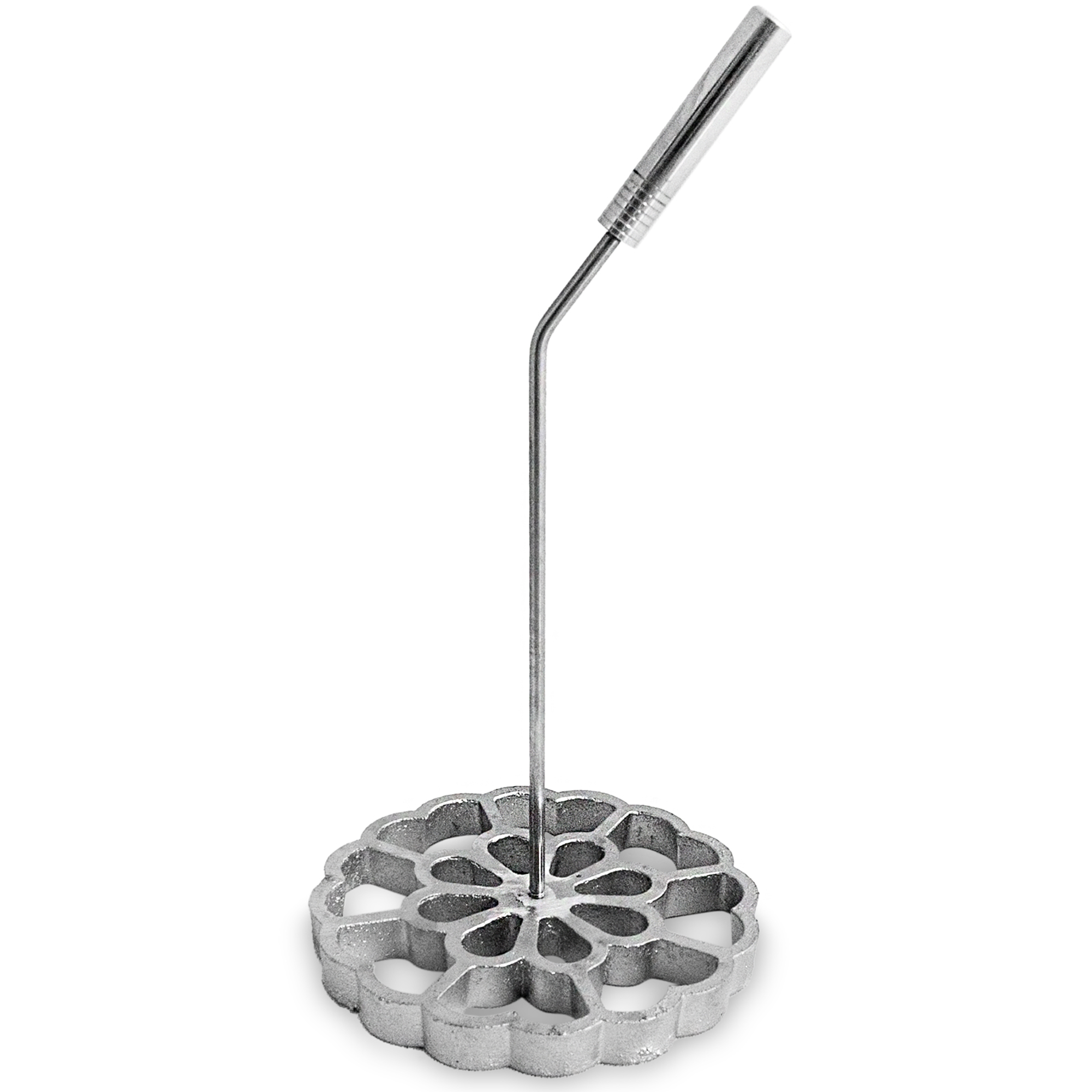
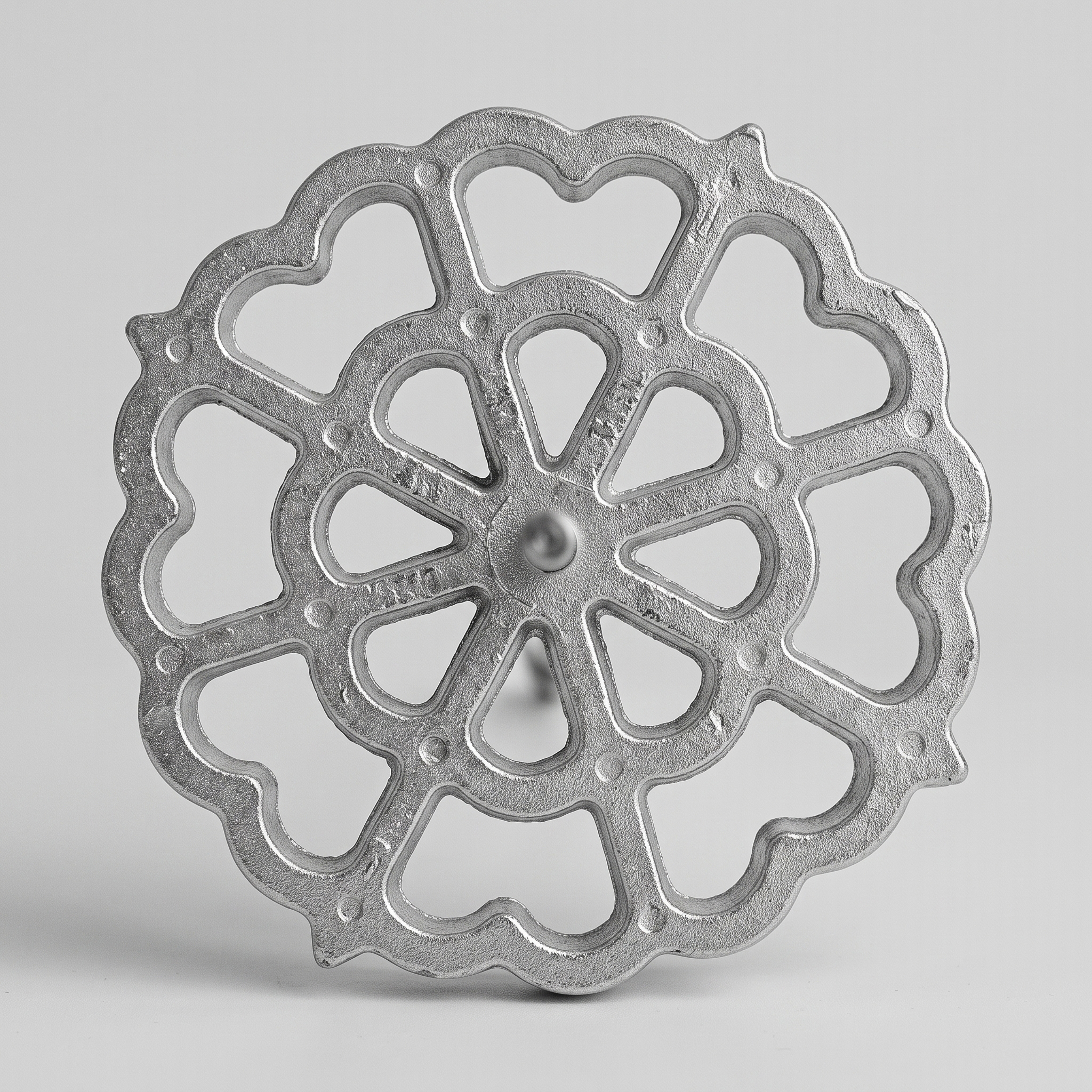
Globe Rocket builds its buñuelos molds around that same tradition: cast aluminum for even heat and low porosity so the batter releases cleanly, with a detachable, two-position handle, made in two sizes so you can match the mold to the batch you’re frying.
Both Globe Rocket buñuelos molds share the same cast aluminum construction and detachable, two-position handle. The difference is simply size.
$22.99
Buy Now on Amazon
$26.99
Buy Now on AmazonNote: The Standard size is the easier starting point if you’re new to using a mold — it’s quicker to preheat and easier to maneuver in a smaller pot of oil. Size up to the X-Large once you’re comfortable with the technique and want bigger, more dramatic buñuelos for a crowd.
Summarized from verified Amazon customer reviews, not copied word for word.
Customers say the buñuelos mold produces beautiful, crisp pastries and appreciate its sturdiness and how easy it is to use. The size gets positive feedback too, with one customer noting it’s big enough for a satisfying individual dessert, and several reviewers describe it as a worthwhile investment for making authentic buñuelos de viento at home.
One X-Large buyer described the finish as smooth and well made, with the dough releasing cleanly every time and no sticking or breaking. They called it easy to use even without prior experience, said the results looked polished enough for special occasions or selling, and rated it a durable, consistent five stars overall.
Rating and review data (4.5 out of 5, 907 ratings) reflect the Standard Bunuelos Mold with Handle Amazon listing at time of publishing and are subject to change. Summary generated from the text of customer reviews. See the listing for current details.
This hub connects to the full Globe Rocket buñuelos library — the technique guide, recipe, and related cookware that make up our complete buñuelos knowledge base.
What a buñuelo de viento actually is, where it comes from, and how it differs from sopapillas and other fried Mexican dough.
Read the guide →
The classic cinnamon-sugar batter and frying technique, built specifically for use with a rosette mold.
See the recipe →
A complete breakdown of the Globe Rocket buñuelos mold — construction, how to use it, care instructions, and what to check when it arrives.
Read the guide →
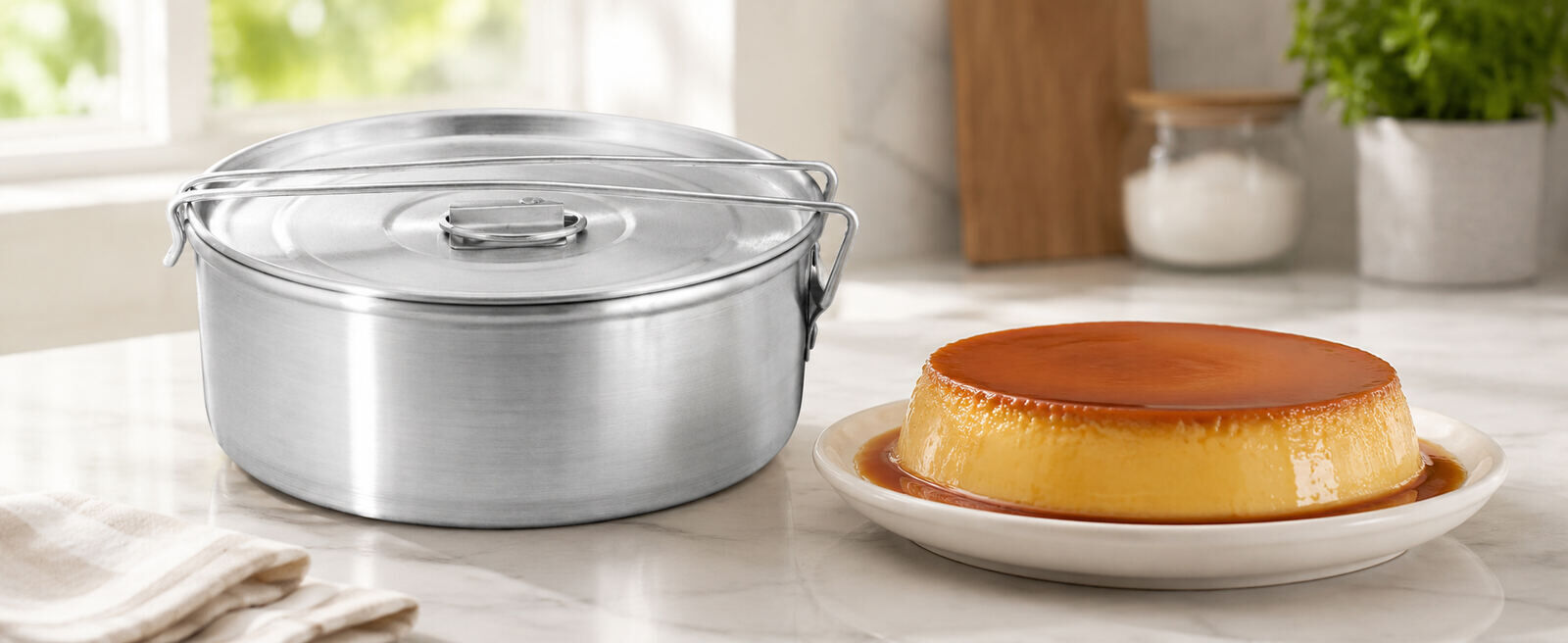
Another traditional Globe Rocket mold — sizing, materials, and care for making authentic Mexican flan.
Read the guide →There is no single-word English equivalent. They are commonly called “Mexican fritters,” “rosette cookies,” or “wind fritters,” a translation of “buñuelos de viento.” Most English speakers use the Spanish name directly.
In Mexico, “buñuelos” usually refers to a thin, crisp fried treat served during the holidays. There are two common styles: a flat, tortilla-like disc made without a mold, and the flower-shaped buñuelos de viento made by dipping a mold, like this one, into batter.
In Spain, buñuelos are typically round, puffed fritters made from a choux-like dough, deep-fried and often filled with cream, chocolate, or pastry cream. This differs from the mold-made, flower-shaped Mexican version.
There is no single “most famous” answer, but flan, buñuelos, churros, and tres leches cake are among the most widely recognized Mexican desserts internationally.
Flour, eggs, milk, sugar, and salt for the batter; oil for frying; and cinnamon and sugar for coating once fried.
Sopapillas are more closely associated with Mexican-American and Southwestern U.S. cuisine than with Mexico itself, though similar fried doughs appear in Mexican cooking under other names, including buñuelos.
“Buñuelos” is one term used, though it can also refer to a flat, tortilla-like fried dough disc in some regions, distinct from the mold-shaped rosette version made with this tool.
No. Beignets are a French-origin fried dough pastry, typically square and dusted with powdered sugar. Sopapillas are a Latin American fried dough associated with Mexican and Southwestern U.S. cuisine. They are similar in concept but differ in dough and tradition.
Spain is known for a range of desserts, including churros con chocolate, flan, and buñuelos de viento, which are traditionally eaten around All Saints’ Day.
Approximately “boon-WEH-lo.” The “ñ” makes an “ny” sound, similar to the “ny” in “canyon.”
Light, crisp, and slightly sweet on their own, with a delicate, almost airy texture from frying. The cinnamon-sugar coating adds most of the sweetness.
Buñuelos arrived with Spanish colonization and were adapted using local ingredients and techniques. Over time, buñuelos de viento made with a rosette mold became a distinct tradition, especially associated with the Christmas season and Día de los Muertos.
Buñuelos de viento are one of the simpler options once you have the mold. The batter comes together in minutes, and the frying technique is quick to learn.
Conchas, churros, buñuelos, polvorones, and pan dulce more broadly are among Mexico’s best-known baked and fried treats.
Popular Mexican desserts include flan, buñuelos, churros, arroz con leche, and tres leches cake, often served during holidays and family gatherings.
Pick the buñuelos mold that fits your batch, then follow the technique guide for the crisp, lacy shell buñuelos de viento are known for. One mold, generations of tradition — now it’s your turn.