The Cleaning Process, Step by Step
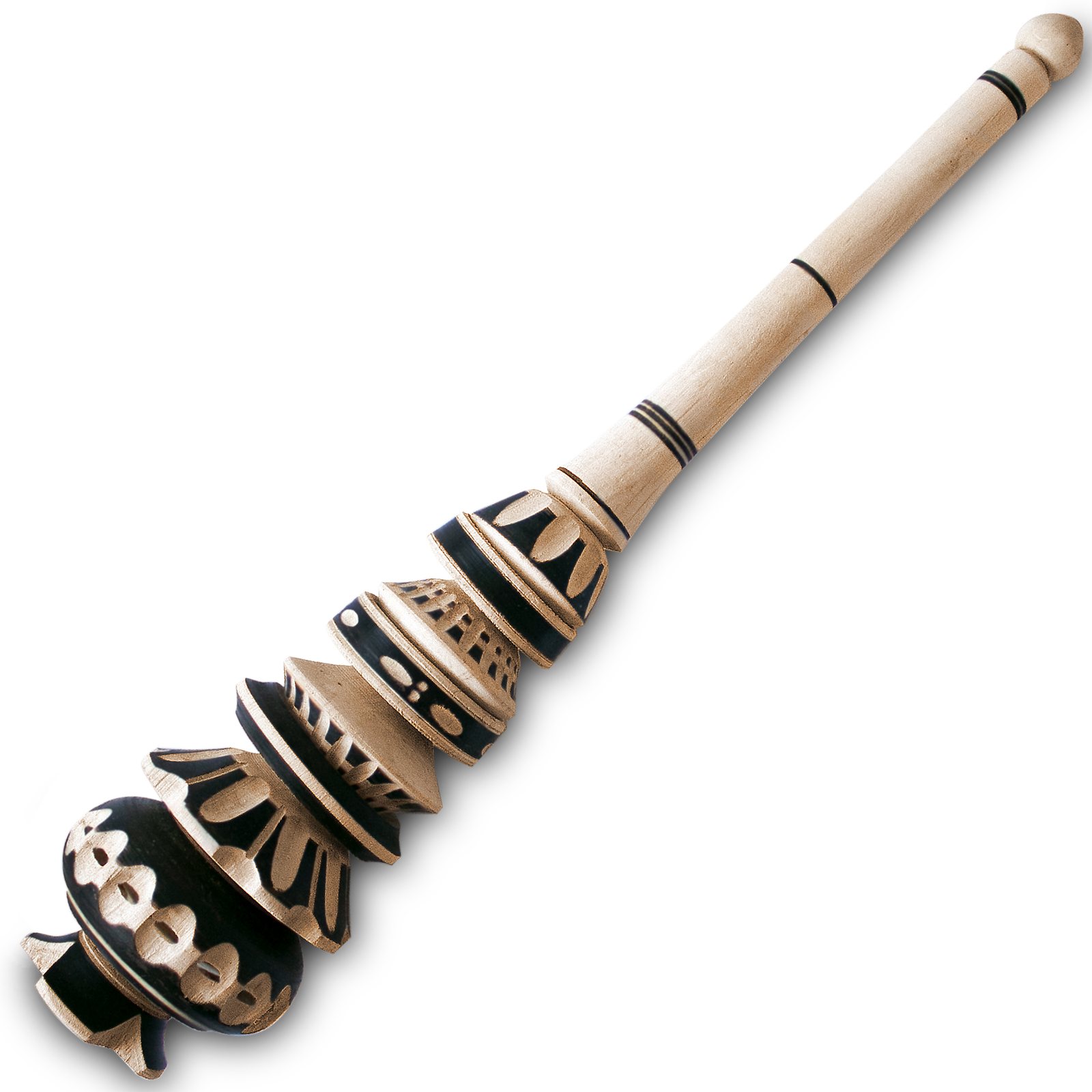
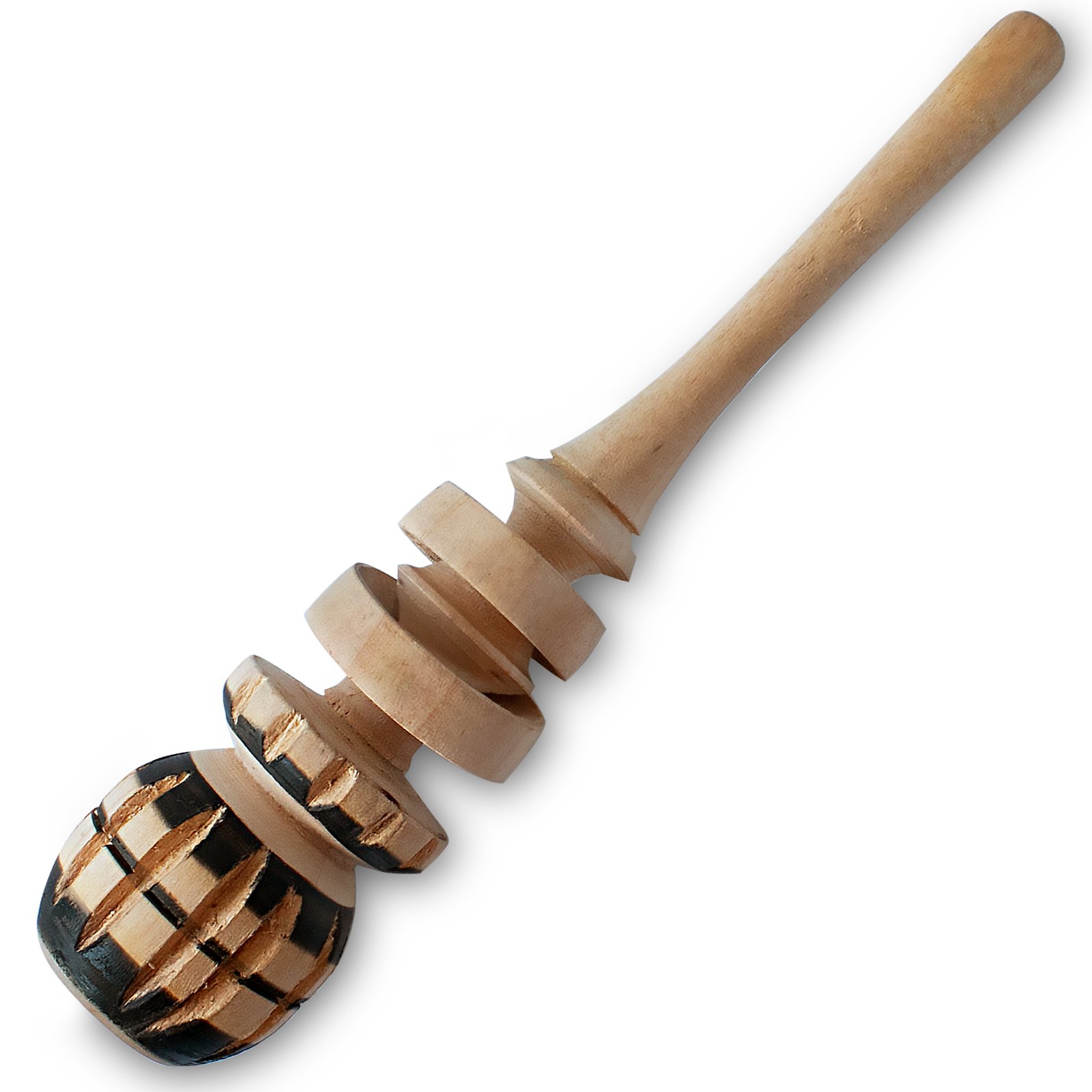
A wooden molinillo is solid, uncoated hardwood rather than sealed or plastic-coated cookware, so it needs a bit more attention than a typical kitchen whisk. The core cleaning routine comes down to three steps.
Rinse It Right After Use
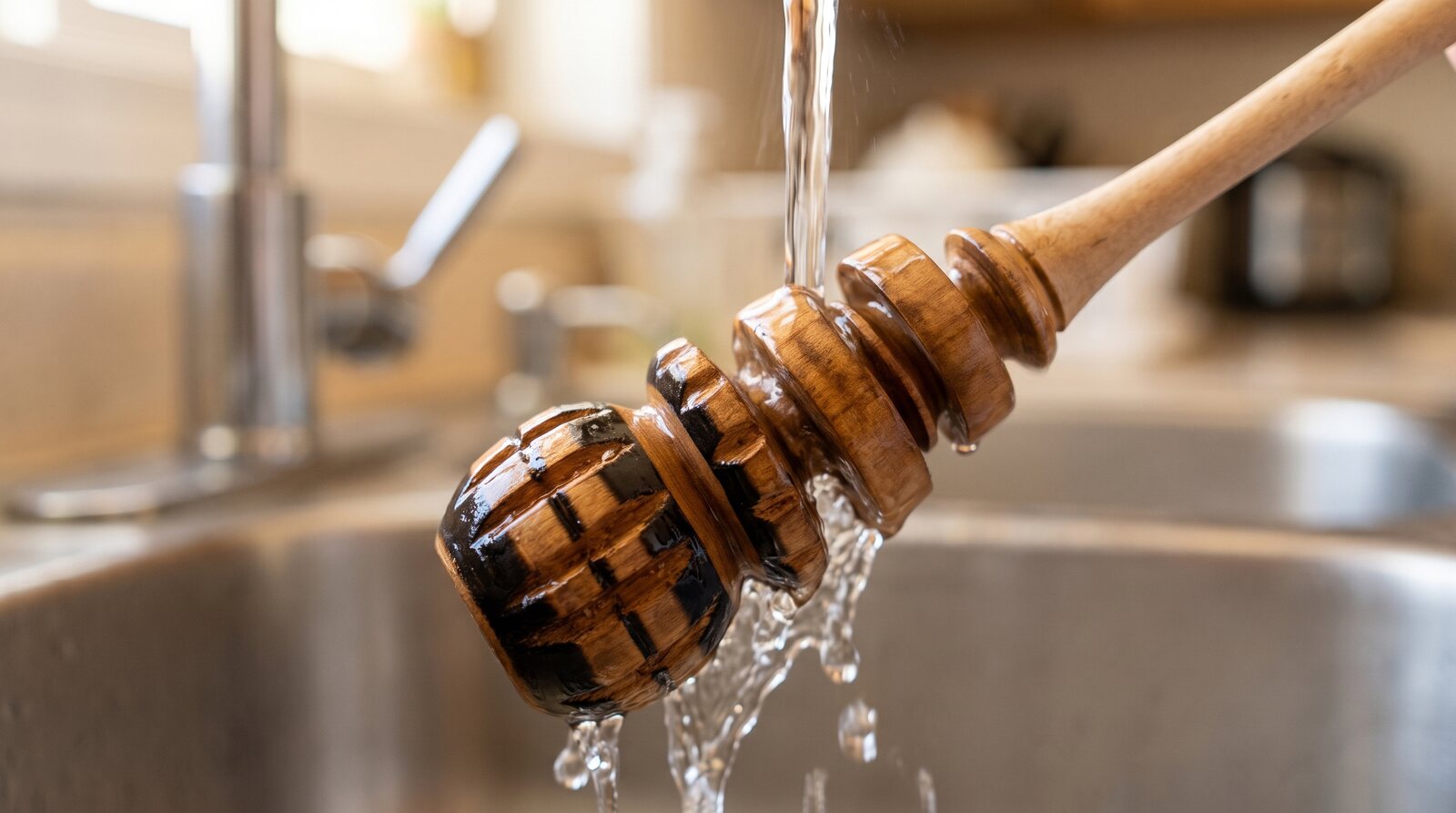
Rinse the molinillo in warm water as soon as you're done using it, before any chocolate or masa residue has a chance to dry into the carved rings.
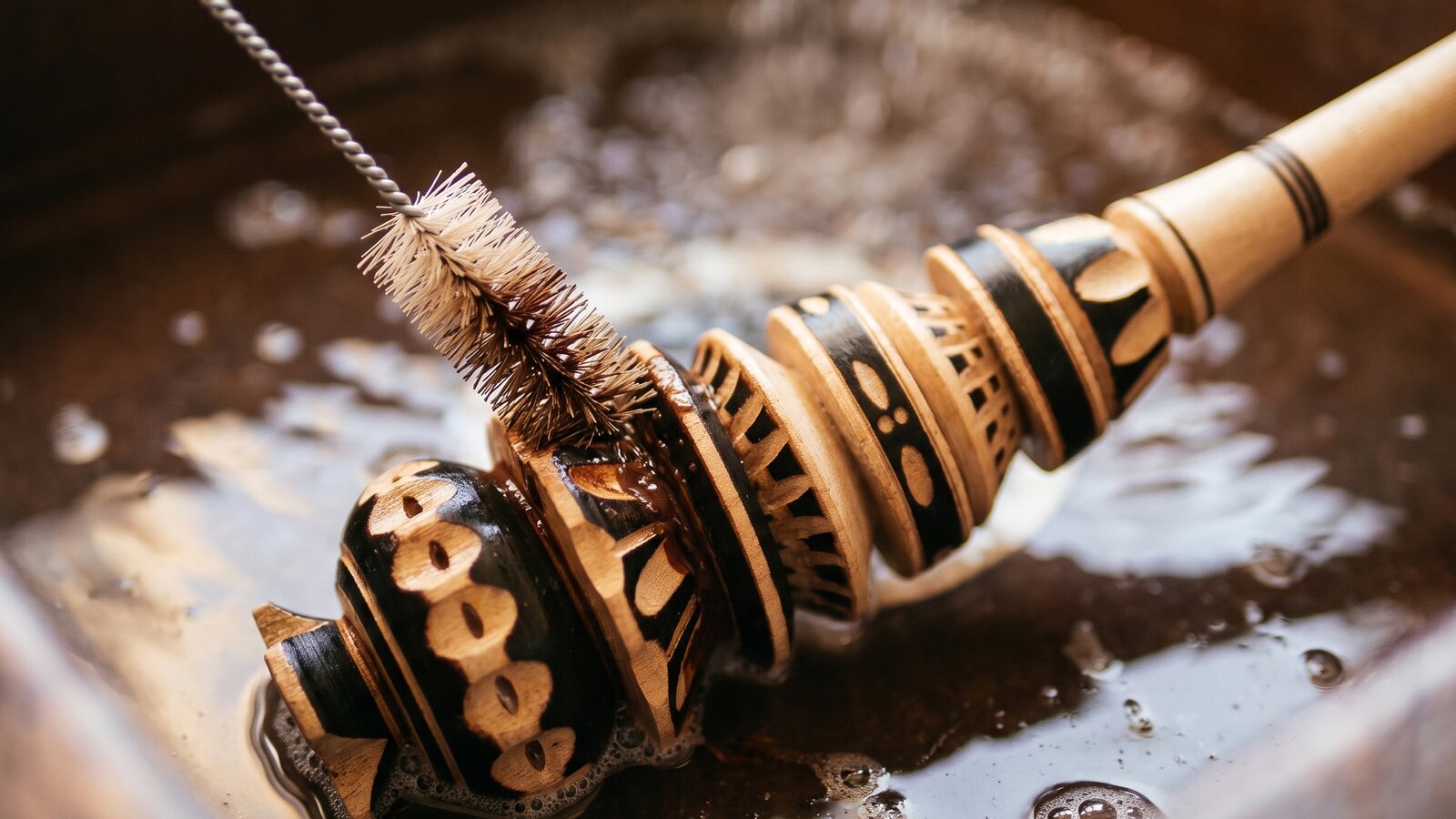
Use a Small Brush for the Rings
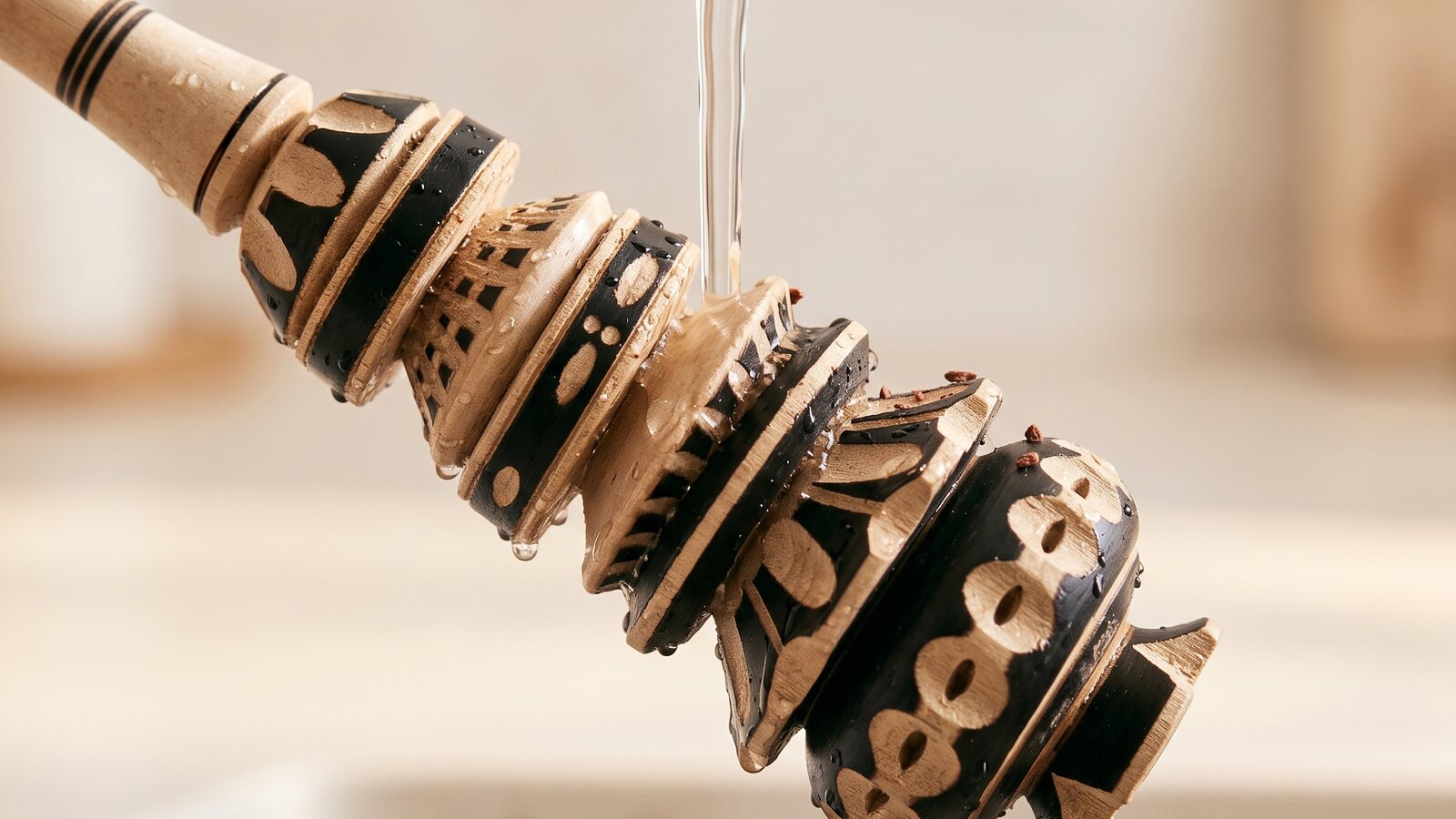
A small brush, like a bottle brush or an old toothbrush, reaches into the carved grooves far more effectively than a sponge or cloth alone.
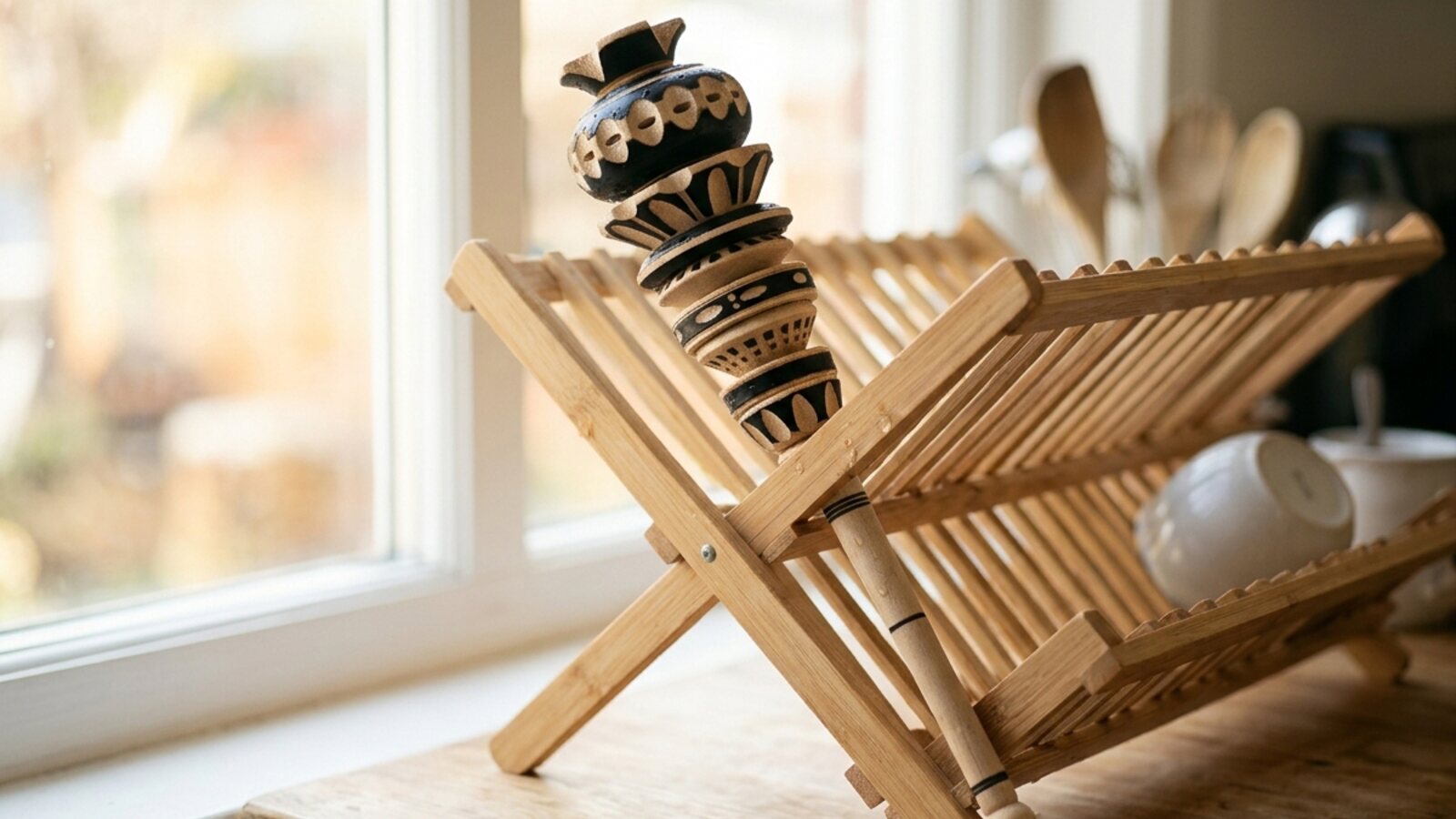
Dry It Completely
Shake off excess water and let it air dry fully, ideally standing up so water doesn't pool around the rings, before putting it away.
Care Precautions
Never Use the Dishwasher
Dishwasher heat and prolonged water exposure can crack solid wood or loosen the free-spinning rings over time. Hand washing only.
Don't Let It Soak
Wash it and move on — don't leave it sitting in a sink full of water. Extended soaking is one of the more common ways wooden kitchen tools warp or split.
Optional Oil Seasoning
Some owners occasionally season the wood with a food-safe mineral oil, the same way you'd care for a wooden cutting board. It's optional, not required.
Why Prompt Cleaning Matters
A well-rinsed, uncoated hardwood molinillo shouldn't impart a noticeable flavor to Mexican hot chocolate, champurrado, or atole. Letting chocolate or masa residue dry on the wood between uses is what leads to lingering off-flavors over time, and dried residue is also harder to remove without picking at it, which can chip the wood. Prompt rinsing after each use is the main habit that avoids both problems.
For more on using and caring for the tool, see our How to Use a Molinillo guide, or learn more about what a molinillo is and how molinillos are handmade. See this same care routine reflected on our Large and Small handmade molinillos.