Before the Molinillo: How the Aztecs and Maya Frothed Chocolate
Cacao drinking is genuinely ancient and Mesoamerican. The Aztecs and Maya were preparing chocolate beverages roughly 2,600 years before the molinillo existed, but they didn't whisk their chocolate with a carved wooden tool. Instead, they frothed it by pouring the liquid back and forth between two vessels from a height, a technique depicted in the Codex Tudela. That pouring method, not the molinillo, is the genuinely ancient part of this history, and it's the part most often mistakenly credited to the whisk itself.
A Colonial-Era Invention, Not a Pre-Hispanic One
The molinillo itself doesn't show up in the historical record until the Spanish colonial period, likely sometime in the 16th century. It gradually displaced the older pouring method, and by 1780, written accounts describing how Mexican chocolate was prepared show the molinillo had already fully taken its place. That timeline matters: it means the molinillo developed in Mexico after contact between Spanish and Mesoamerican culinary traditions, rather than being a tool the Aztecs or Maya themselves carved and used.
How the Molinillo Became a Genuinely Mexican Tradition
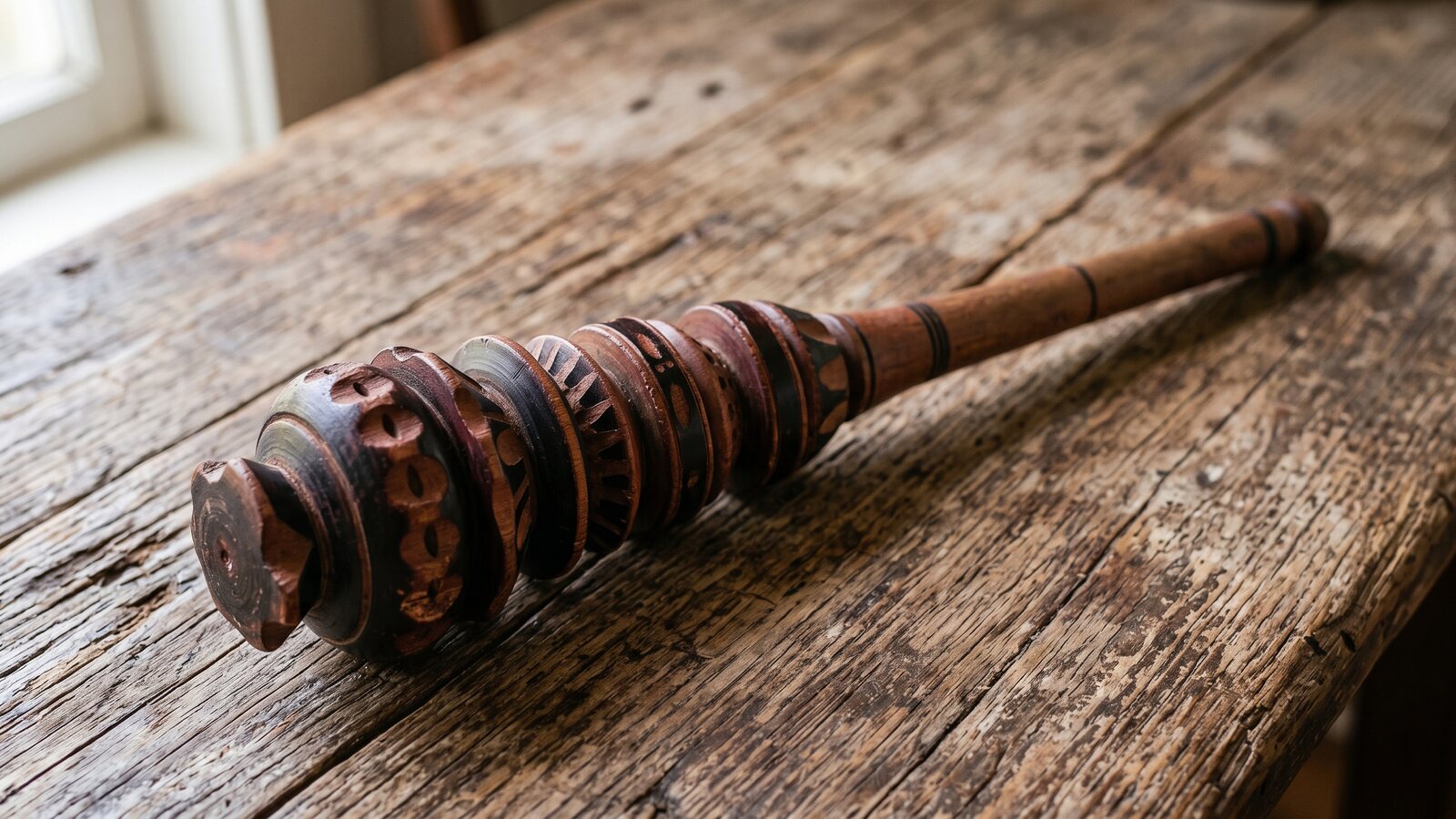
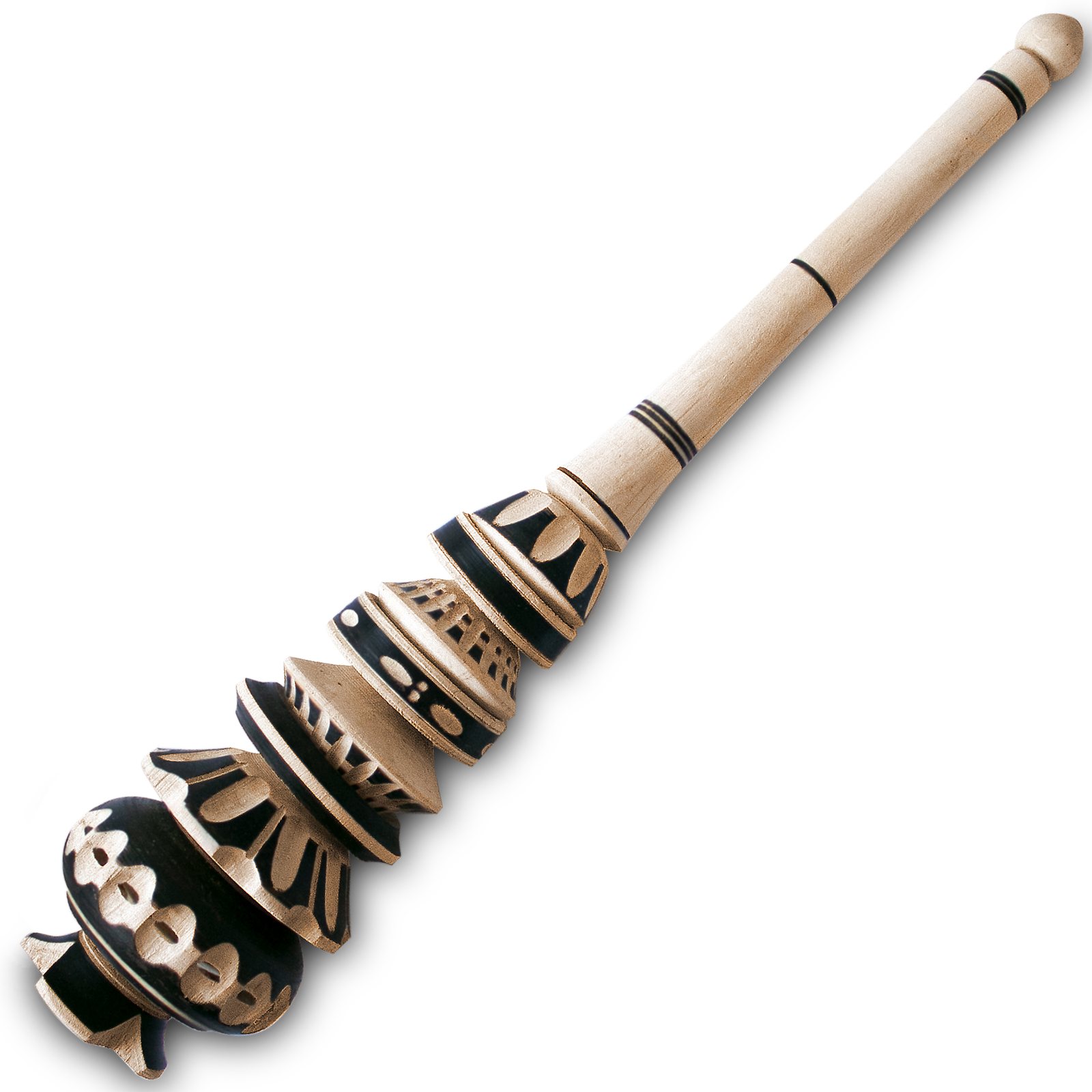
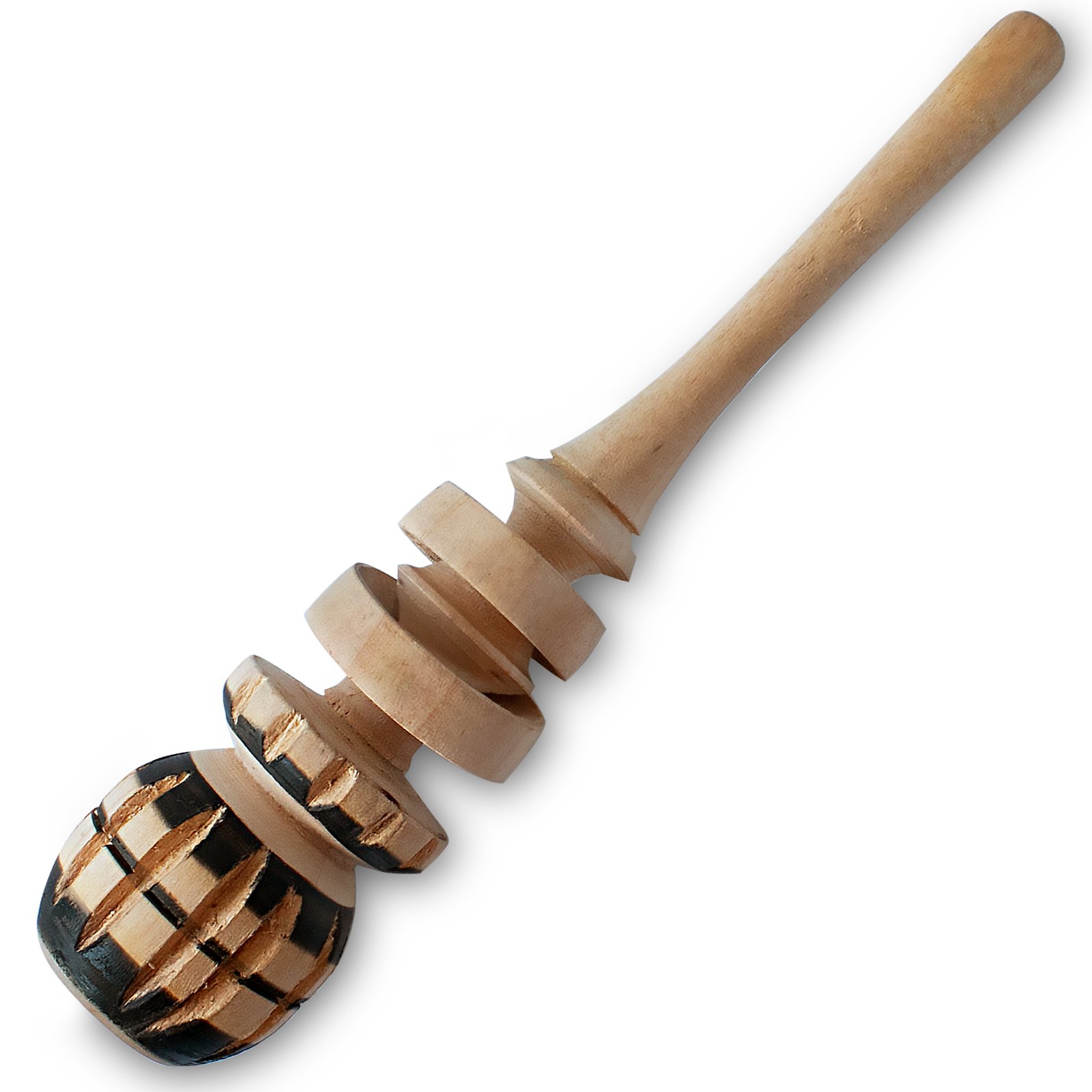
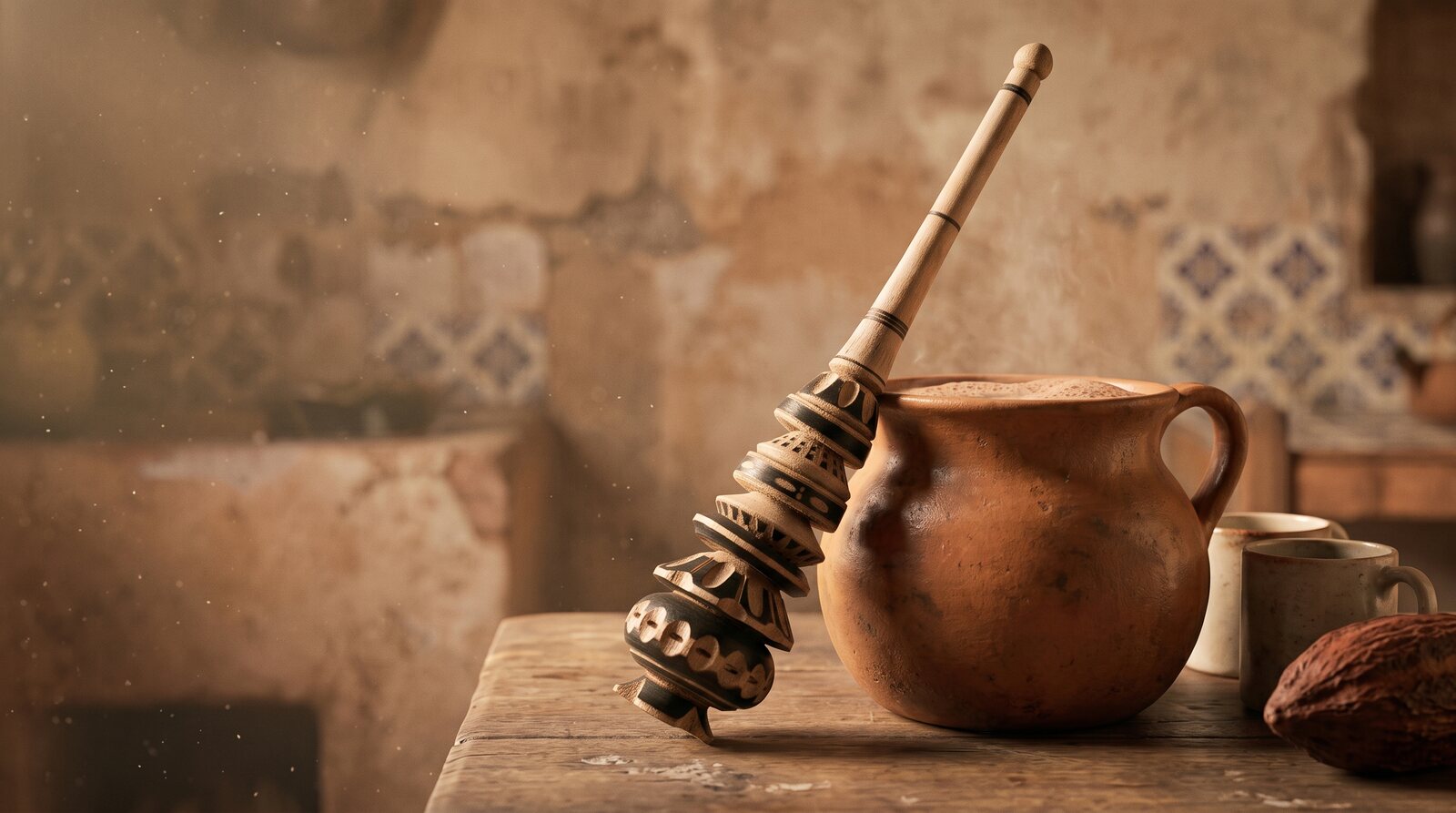
What matters more than the exact date the molinillo first appeared is what happened after it did. Mexican and mestizo households adopted the tool almost immediately and made it their own: molinillos were carved with increasingly elaborate rings and patterns, worked into nursery rhymes that Mexican children still learn today, and kept as treasured kitchen objects, passed down from one generation of home cooks to the next. A tool doesn't have to be ancient to be authentic — the molinillo earned its place in Mexican kitchens the honest way, through centuries of continuous daily use.
Why the “Ancient Aztec Tool” Myth Persists
Despite that colonial-era origin, you'll still see the molinillo described online, and on plenty of product listings, as an “ancient Aztec tool.” The confusion likely comes from merging two different, real histories into one simplified story: cacao drinking really is ancient and Mesoamerican, and the molinillo really is an authentic part of Mexican culinary tradition, but the whisk itself and the centuries-old drink it's used to prepare come from two different points in history. Getting that distinction right doesn't make the molinillo any less significant to Mexican cuisine; centuries of continuous use in real kitchens is arguably a more interesting story than an inflated one.
For more on what the tool actually is and how it works, see our What Is a Molinillo? guide, or explore the full Molinillos Hub for guides on using and caring for one, including our handmade Large and Small molinillos.