Traditional Mexican Kitchen Get Yours
Globe Rocket Flan Molds

Why the Right Flan Mold Makes All the Difference

Most flan problems don't come from the recipe. They come from the pan. Here's why authentic homemade flan has always been made in a dedicated flan mold — and how to choose the right one.

4.5/5 · 2,112 Amazon ratings 75% aluminum · fitted lid Comes with the family recipe
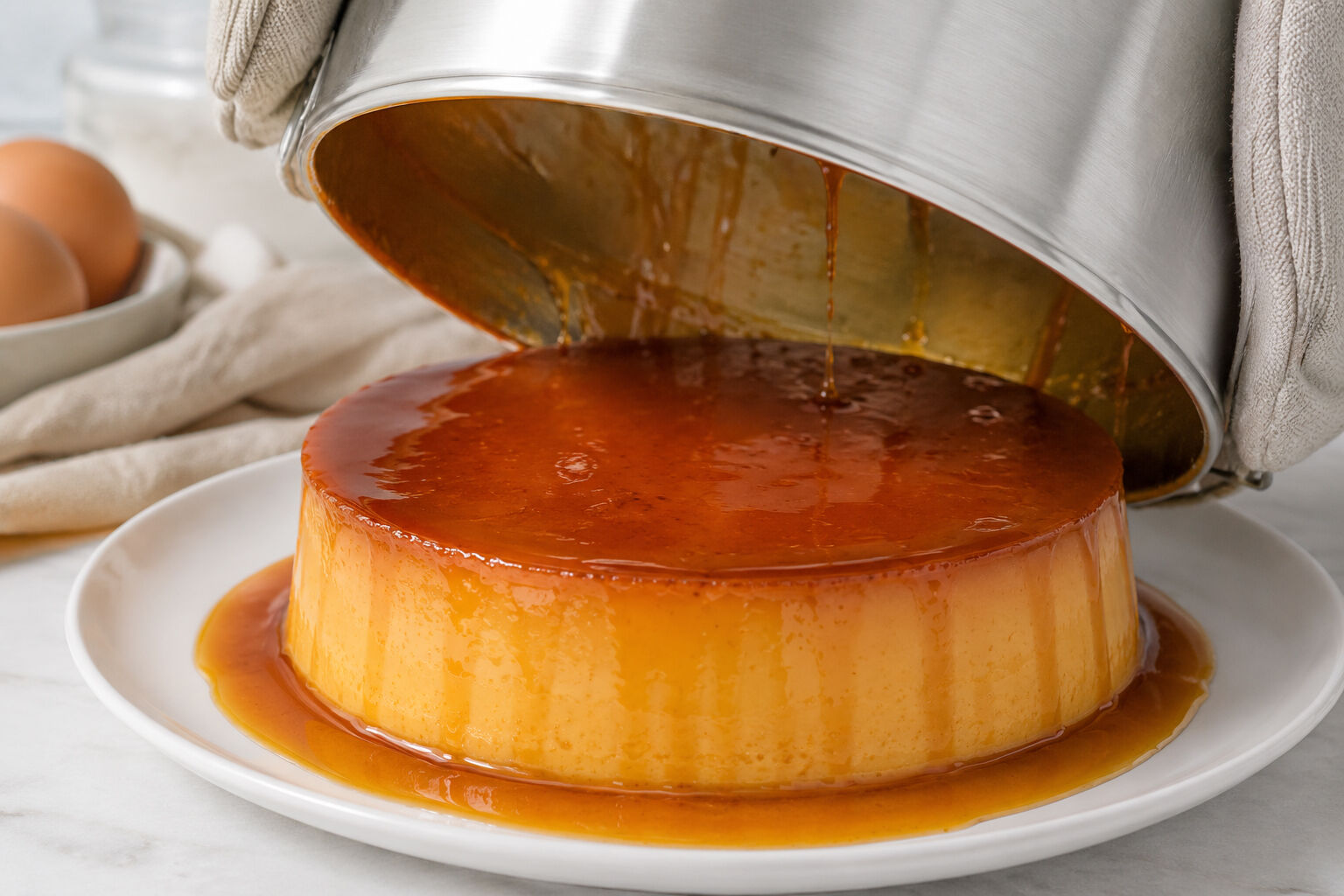
A finished flan being unmolded from a traditional flanera, caramel sauce flowing over the sides
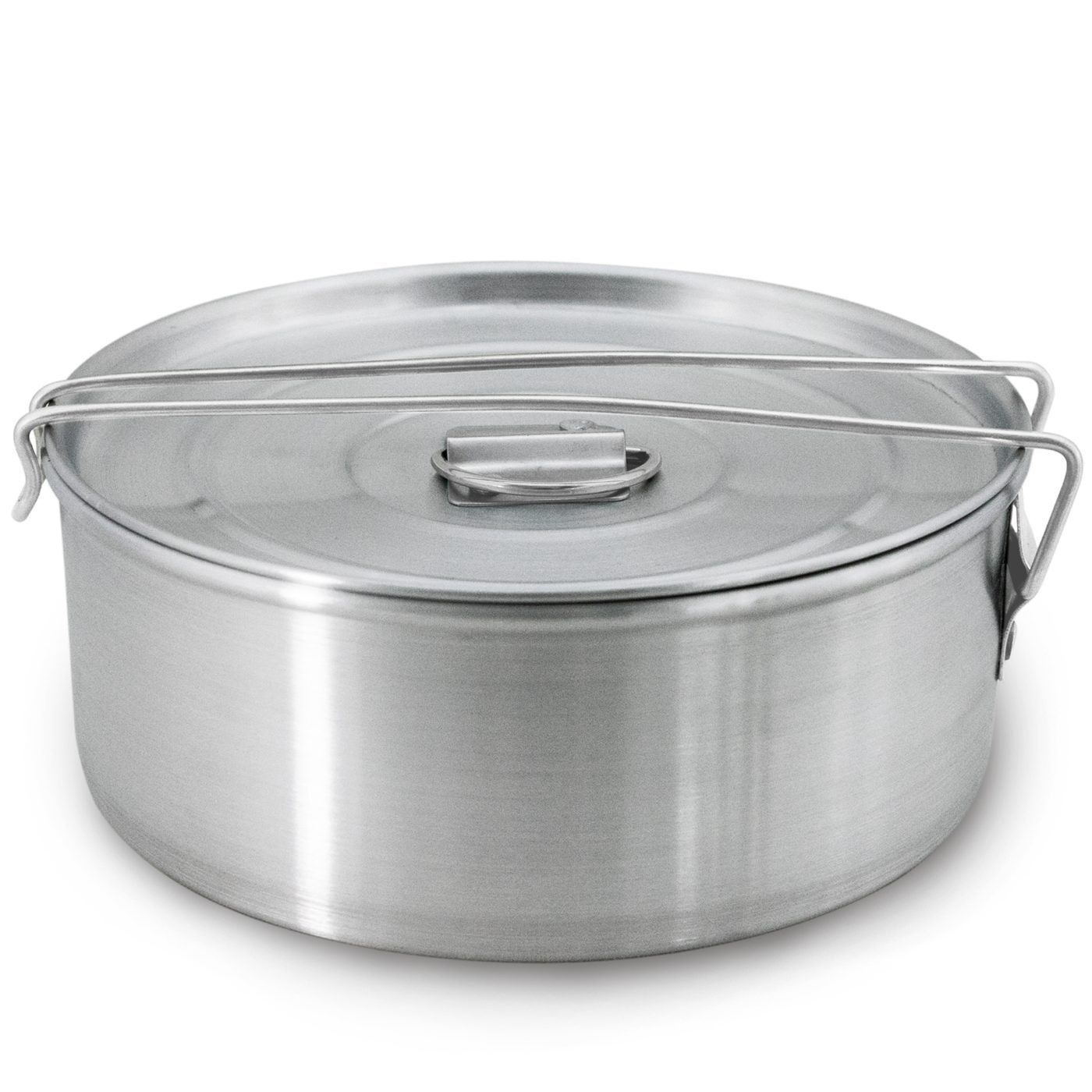
Globe Rocket Medium flan mold with lid
★ Recommended
Medium Flan Mold with Lid
$28.99 · 8–10 servings
Before the Product

The Flan Everyone Remembers

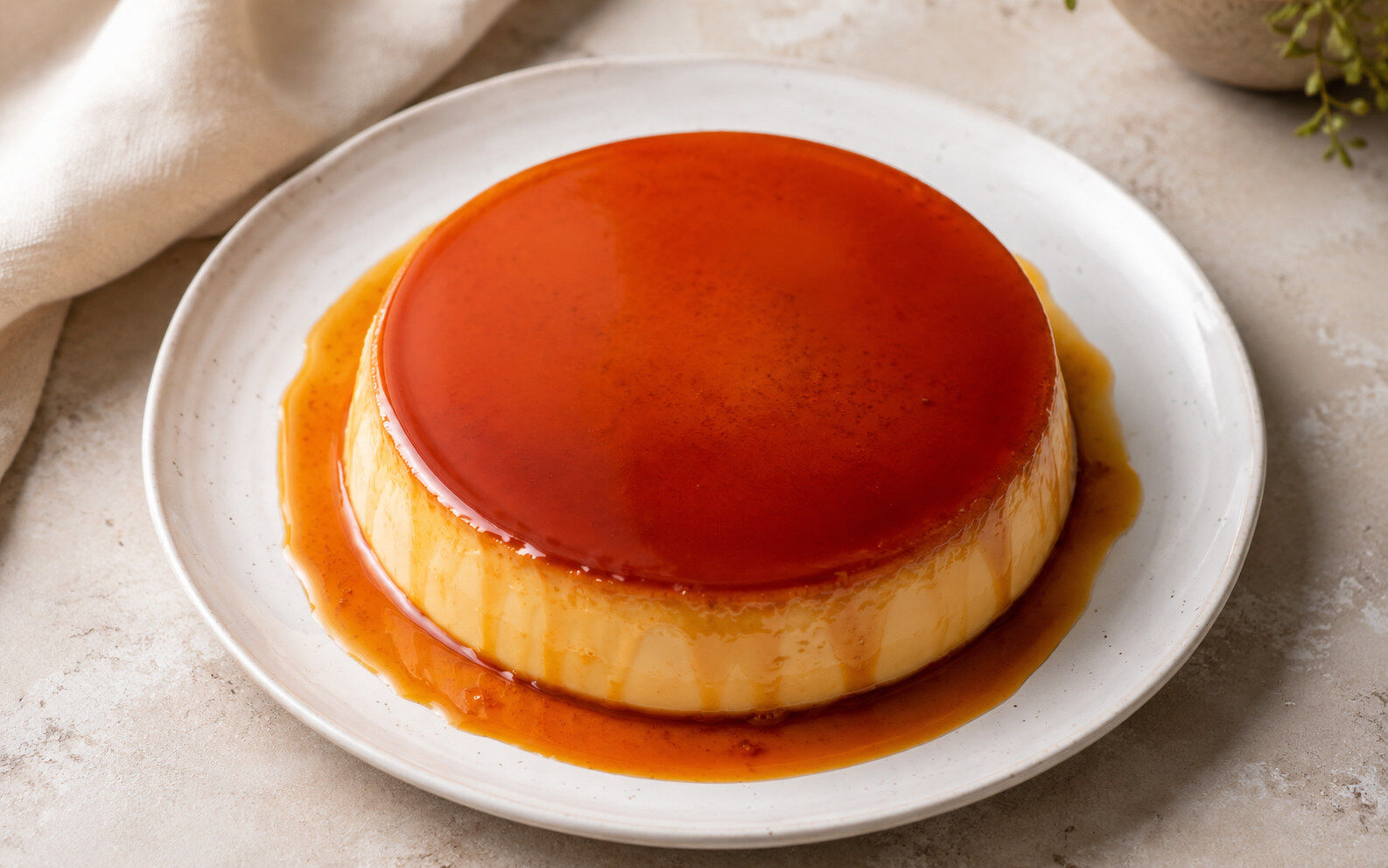
There's a particular kind of quiet that happens right before someone unmolds a flan. Conversation pauses. A few people lean in. The knife runs once around the edge, the plate goes on top, and then — in one motion — the mold lifts away, and there it is: a dome of custard, glossy amber caramel sliding down the sides and pooling on the plate.

It's the same reaction every time, in every kitchen that makes it well. Somebody says something like “that's exactly how it's supposed to look.” The top is smooth, almost mirror-like. The sides are clean — no torn edges, no stuck bits left behind in the pan. It doesn't look like it was baked so much as revealed.

That reaction — the pause, the smile, the “that's the one” moment — isn't really about the recipe. Most families use some version of the same handful of ingredients. What changes the outcome, almost every time, is what the custard was baked in.

A whole homemade flan on a plate, deep amber caramel pooling around the base
The Honest Answer

Do You Really Need a Flan Mold?

Technically, you can bake a custard in almost anything oven-safe. That's true, and it's exactly why so many people reach for a cake pan, a glass dish, or whatever's already in the cabinet the first time they make flan. It usually still sets. It just doesn't come out looking — or releasing — the way it's supposed to.

Traditional flan recipes call for a flanera for a specific reason: flan isn't just baked. It's caramelized, sealed, water-bathed, chilled, and released — five steps, all using the same vessel, in that order. A cake pan can handle one or two of those steps reasonably well. A flanera was designed around all five at once.

So the honest answer is: no single step absolutely requires a dedicated mold. But stack all five together, and the gap between “it turned out fine” and “it turned out exactly right” comes down almost entirely to the pan.

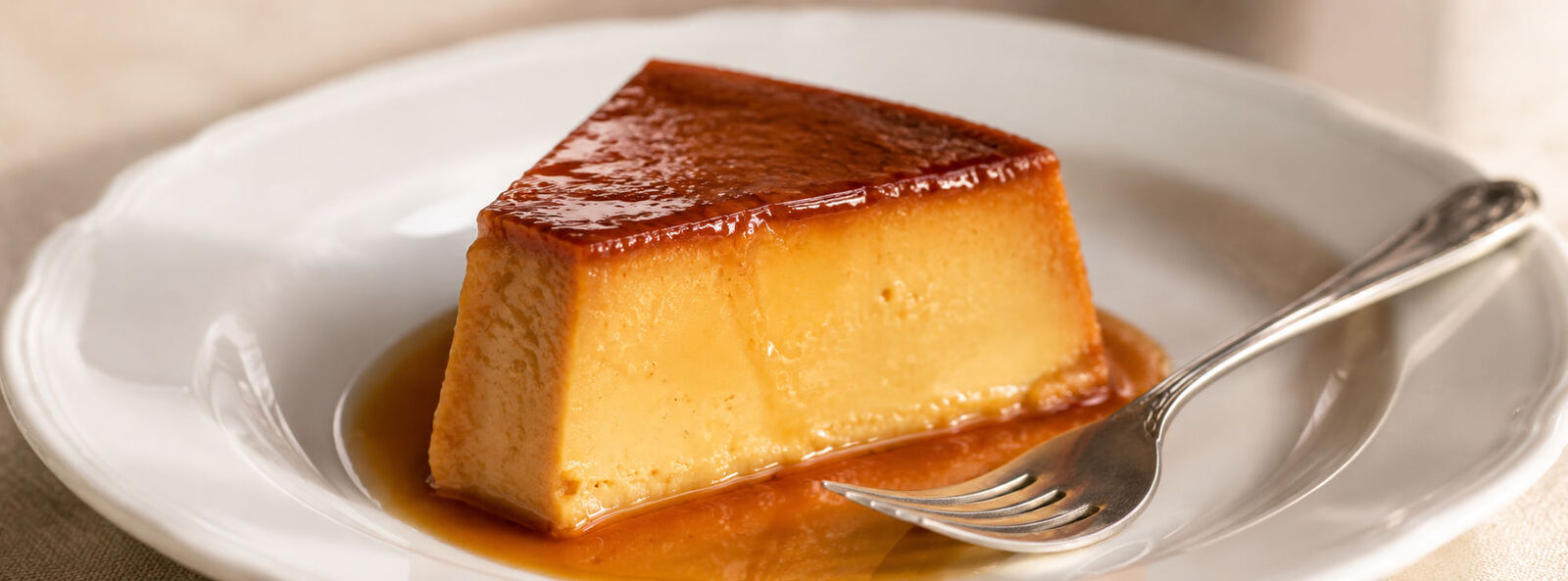
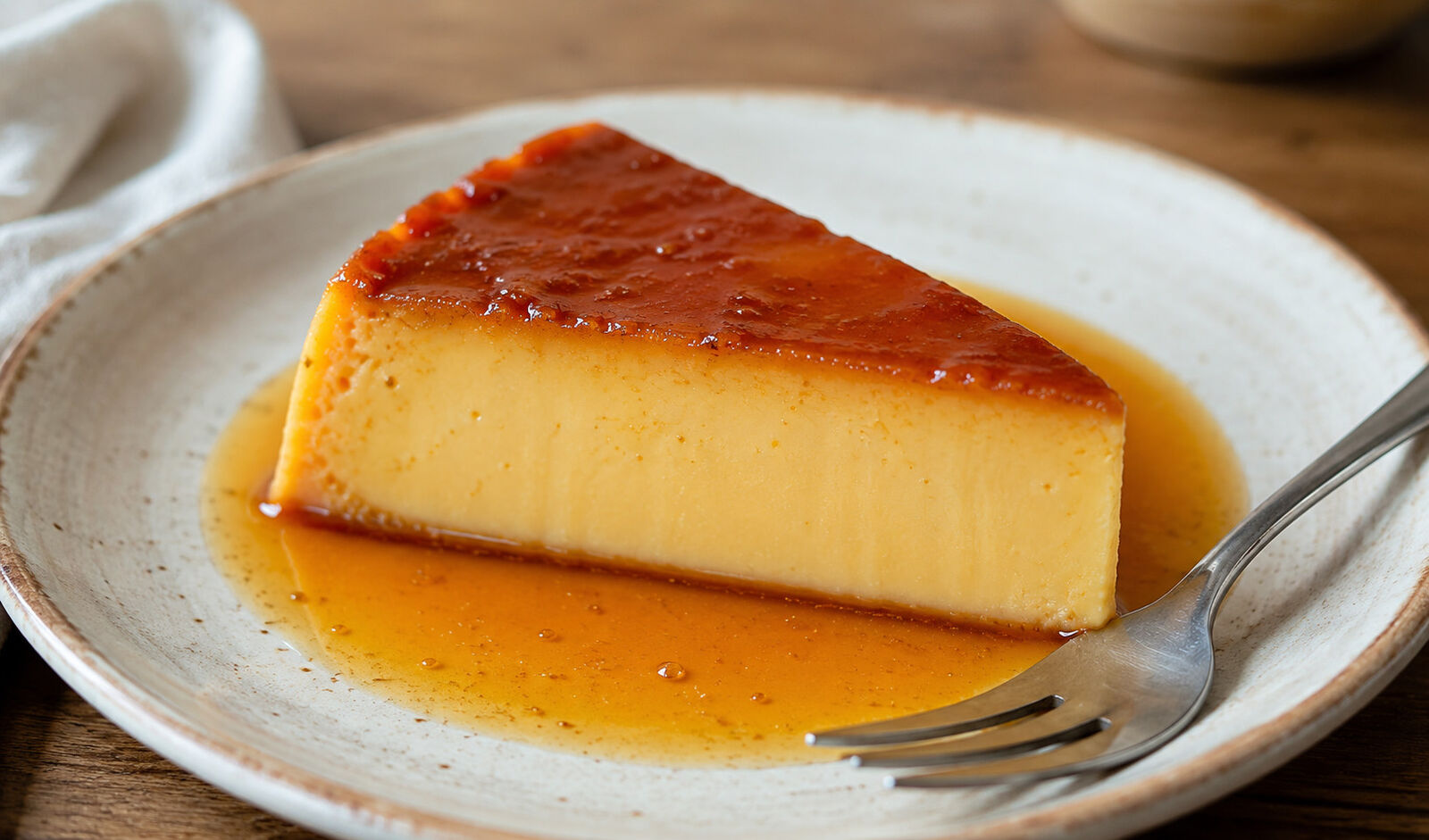
A clean slice of flan on a plate with a fork, showing its smooth custard texture
Nothing Is Decoration

The Purpose Behind Every Design Detail

A traditional flanera hasn't changed shape in generations, and that's not because nobody's tried to improve it. Every part of it is already solving a specific problem.

Globe Rocket Medium flan mold with lid, showing its traditional shape 1 2 3 4
1

The Lid

Seals the custard during the water bath, keeping condensation and direct heat off the surface — and lets one mold go from stovetop to oven without switching dishes.

2

The Tapered Walls

A slight taper, wider at the top than the bottom, is what lets a fully chilled flan release in one clean motion instead of tearing apart.

3

The Aluminum Body

Aluminum heats up fast and spreads that heat evenly — essential for caramelizing sugar without scorching it, then baking custard gently and uniformly.

4

The Proportions

The traditional height-to-width ratio is what produces flan's classic dome shape and lets the custard set evenly from edge to center.

Meet the Tool

Meet the Globe Rocket Traditional Flan Mold

Globe Rocket builds its flan molds around the same traditional proportions described above — 75% aluminum for fast, even heat, reinforced with galvanized steel, tapered sides for a clean release, and a fitted lid built for the water bath. Nothing about the shape is arbitrary; all of it exists to help you recreate the flan you're picturing.

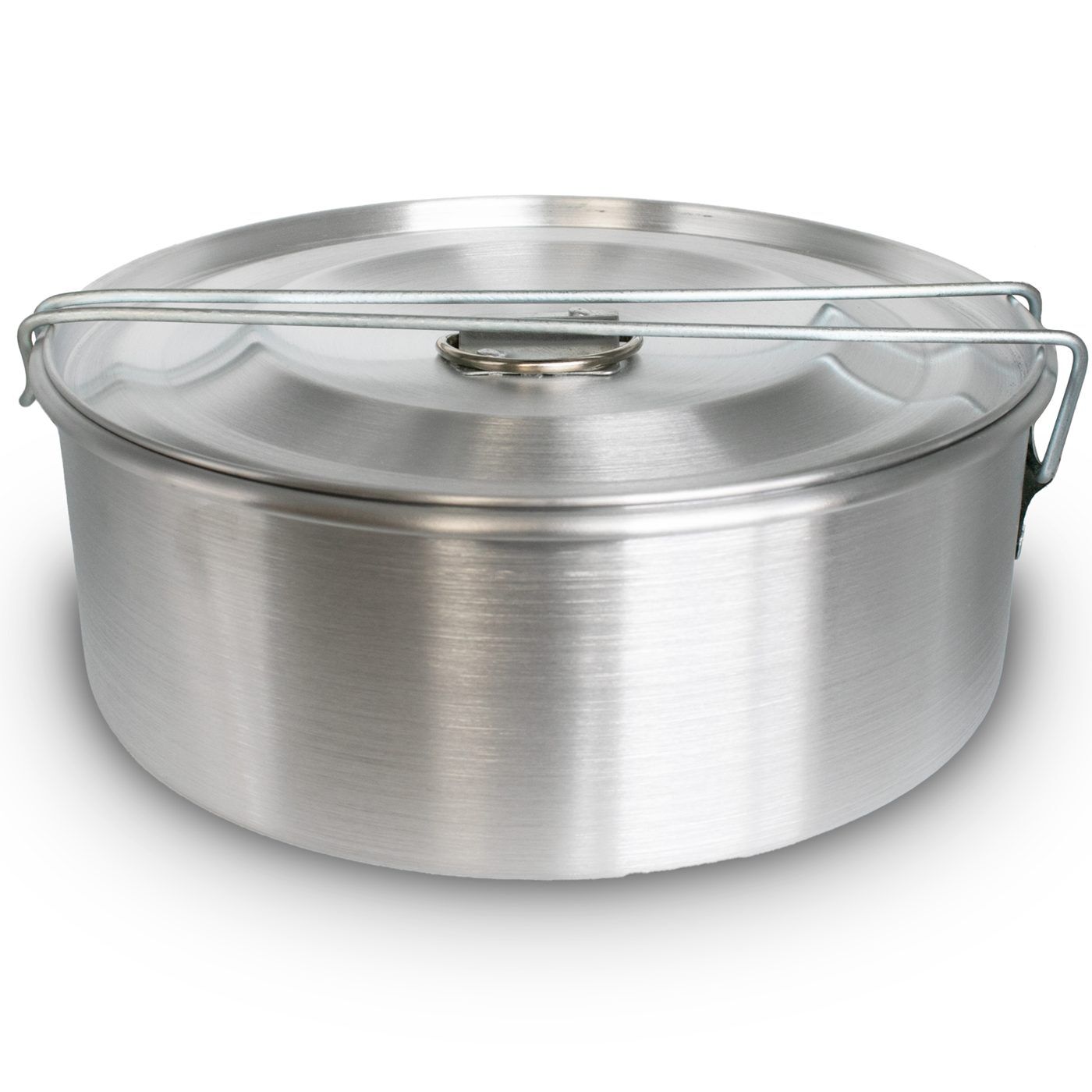
Globe Rocket Large aluminum flan mold with lid, product photo
Large · 2.25 qt

For Bigger Families

Same proportions, same lid, sized for a bigger table.

  • 10–12 servings
  • 9.3″ × 3.2″ external
  • Same aluminum construction

$32.99

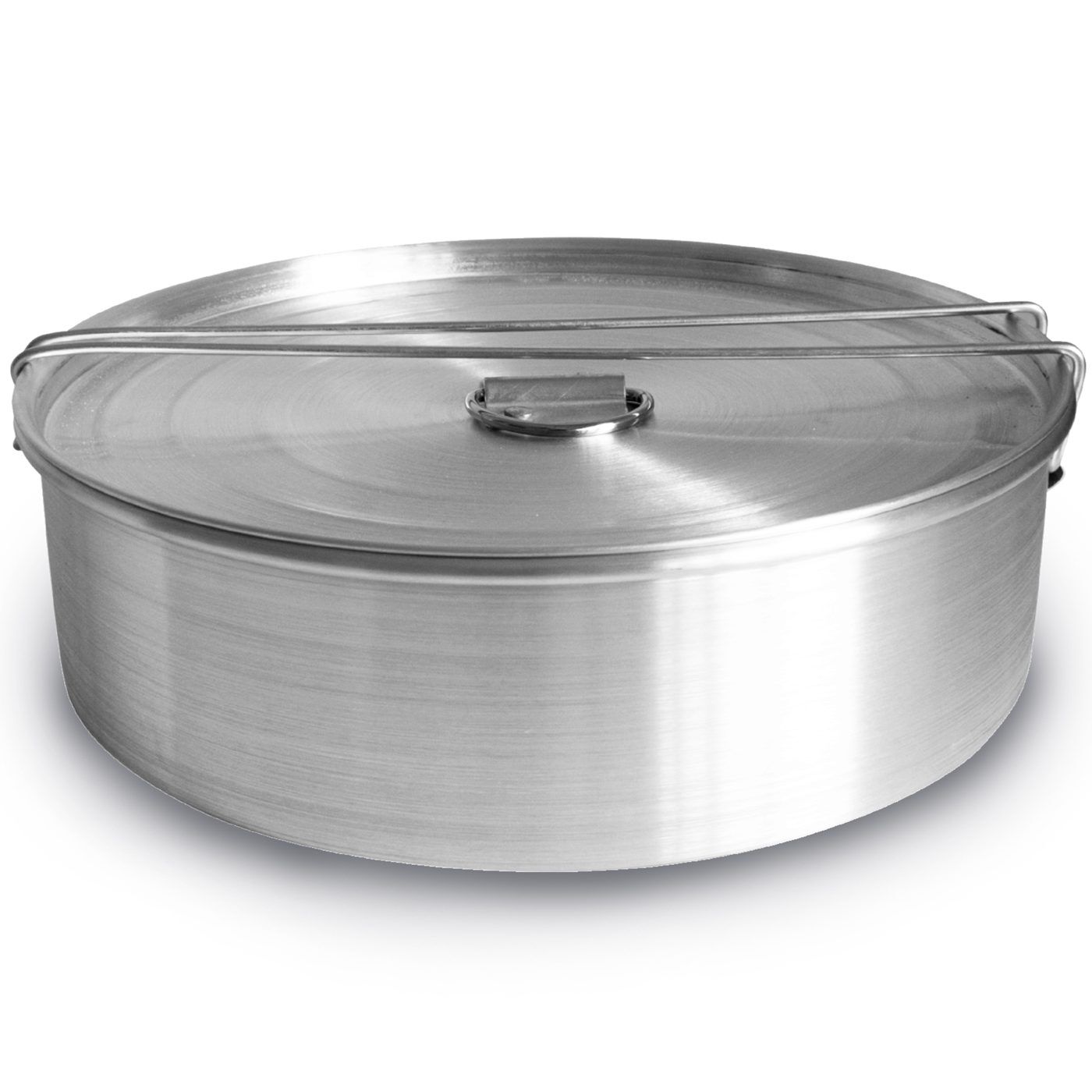
Globe Rocket X-Large aluminum flan mold with lid, product photo
X-Large · 2.75 qt

For Parties & Celebrations

Built for potlucks, holidays, and big tables.

  • Up to 16 servings
  • 10.5″ × 3.2″ external
  • Same aluminum construction

$37.99

The Real Comparison

Traditional Flan Mold vs. Ordinary Bakeware

Flan can technically be baked in a lot of things. Here's what actually changes depending on what you use.

  Traditional Flan Mold Cake Pan Glass Baking Dish Springform Pan Disposable Aluminum Pan
Shape Tapered sides, built for a clean release Straight sides, can stick Straight sides, can stick Removable ring, but no taper Flimsy, loses shape easily
Heat Aluminum heats fast and evenly Varies by material Slow to heat, holds heat long after Varies by material Thin, heats unevenly
Release Clean, one motion once chilled Often sticks without care Often sticks without care Seam can leak custard Tears easily, unreliable
Baño María Fitted lid built for it No lid, no water-bath system Usually oven-safe, but no lid Seam can let water leak in Unstable, can buckle in water
Presentation Classic domed shape, glossy caramel finish Not designed for flan's presentation Can work, but not the traditional shape Flat top, not the traditional look Not meant for serving
Durability Built to last, made to be passed down Long-lasting for baking, not flan-specific Durable but heavy, can crack Seam wears over time Single use
Ease of Use One pan for caramel, custard, and bath Extra dishes needed Extra dishes needed Extra care to prevent leaks Flimsy to handle when full
The Complete Recipe

Complete Globe Rocket Flan Recipe

This is the same recipe that comes with every Globe Rocket flan mold, written for the Medium Flan Mold from start to finish.

A finished slice of Classic Mexican Flan on a plate, caramel pooling around it
Prep10 min
Cook50 min
Total1 hr
Chill4+ hrs
Servings8
DifficultyEasy

Ingredients

  • 1 cup sugar (for the caramel)
  • 2 tablespoons water (optional, for the caramel)
  • 6 large eggs
  • 1 can (14 oz) sweetened condensed milk
  • 1 can (12 oz) evaporated milk
  • 1 teaspoon vanilla extract
  • 8 oz cream cheese, softened (optional, for extra richness)
Equipment: Globe Rocket Medium Flan Mold with lid, a large roasting pan for the water bath, and a blender.

Instructions

  1. Preheat the oven to 325°F.
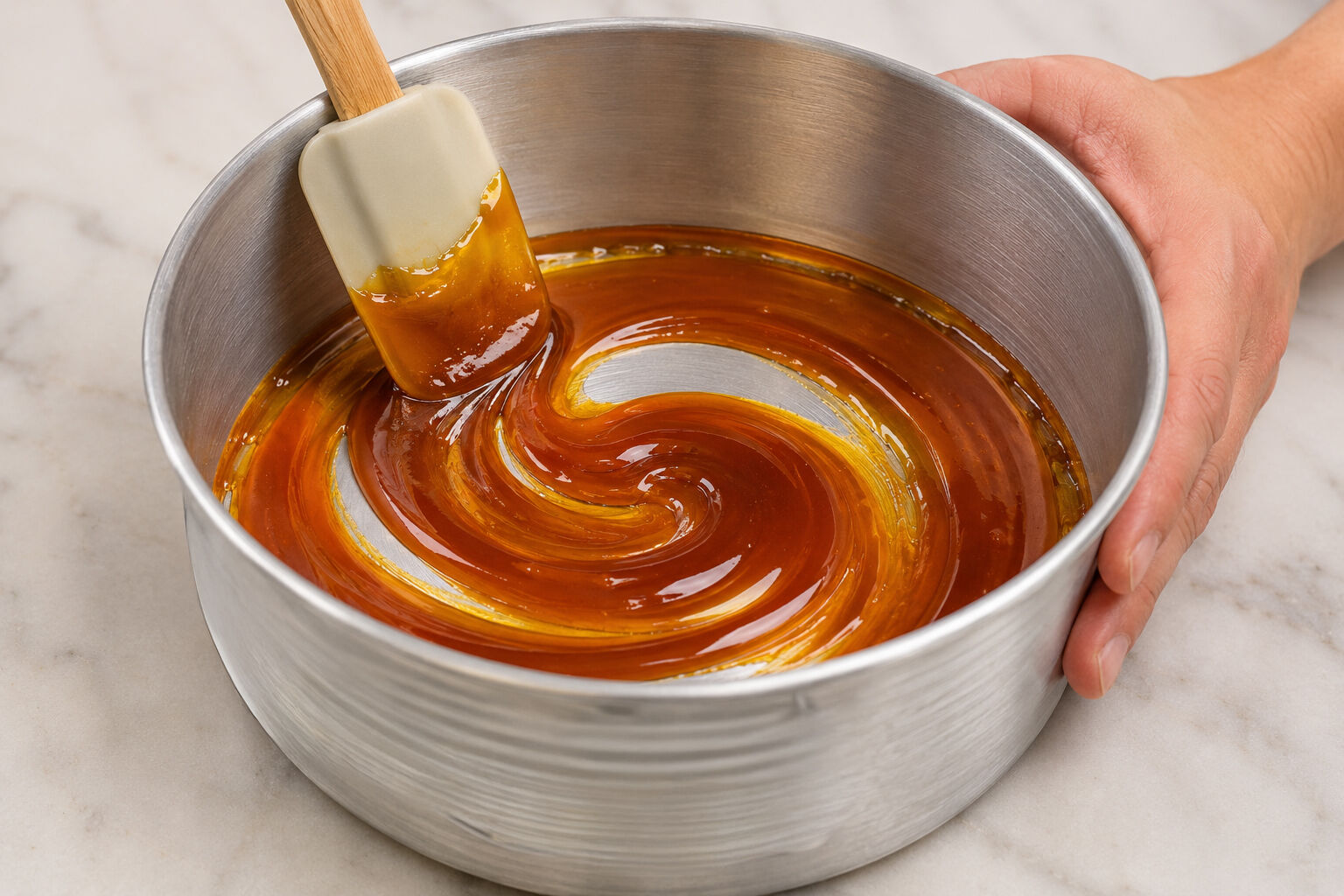
  2. Combine the sugar and water in a saucepan over medium-high heat. Bring to a boil, then reduce the heat and simmer, whisking occasionally, until it turns a light amber caramel color, about 10 minutes.
    Amber caramel being swirled in the bottom of an aluminum flan mold
  3. Pour the caramel into the Medium Flan Mold, swirling to coat the bottom evenly. Let it cool slightly.
  4. In a blender, combine the eggs, condensed milk, evaporated milk, vanilla, and cream cheese if using. Blend until smooth.
  5. Pour the custard slowly over the cooled caramel.
  6. Cover the mold with its lid.
  7. Place the mold in a larger pan filled with warm water to about 3/4 inch deep.
  8. Bake for about 50 minutes, until the custard is set but still jiggles slightly in the center.
  9. Remove from the water bath and let cool completely.
  10. Refrigerate for at least a few hours, or until very cold, before serving.
  11. Run a knife around the edges to loosen, then invert onto a serving platter.
    The finished flan being unmolded, caramel sauce flowing over the sides

How the Mold Shapes Every Step

2

Caramelizing: this step only works because the flanera goes straight from stovetop to oven — a cake pan can't do this part at all.

3

Coating the bottom: the tapered walls guide the caramel to spread evenly as you swirl it.

6

Covering the mold: the fitted lid is doing its most important job right here — keeping the custard's surface clean during the water bath.

11

Unmolding: this is the moment the whole mold was designed for — one motion, a clean release, caramel flowing over the top.

Notes & Tips

Every technique in this recipe assumes the mold is doing part of the work. Swap in a cake pan and you'll need to compensate at nearly every step — a separate water-bath vessel, a lid substitute, and extra patience at unmolding time.

This exact recipe scales cleanly — simply use the same ratio of caramel and custard, adjusted for volume, in a Large or X-Large Globe Rocket mold when you're feeding more people.

Get the Medium Flan Mold — $28.99
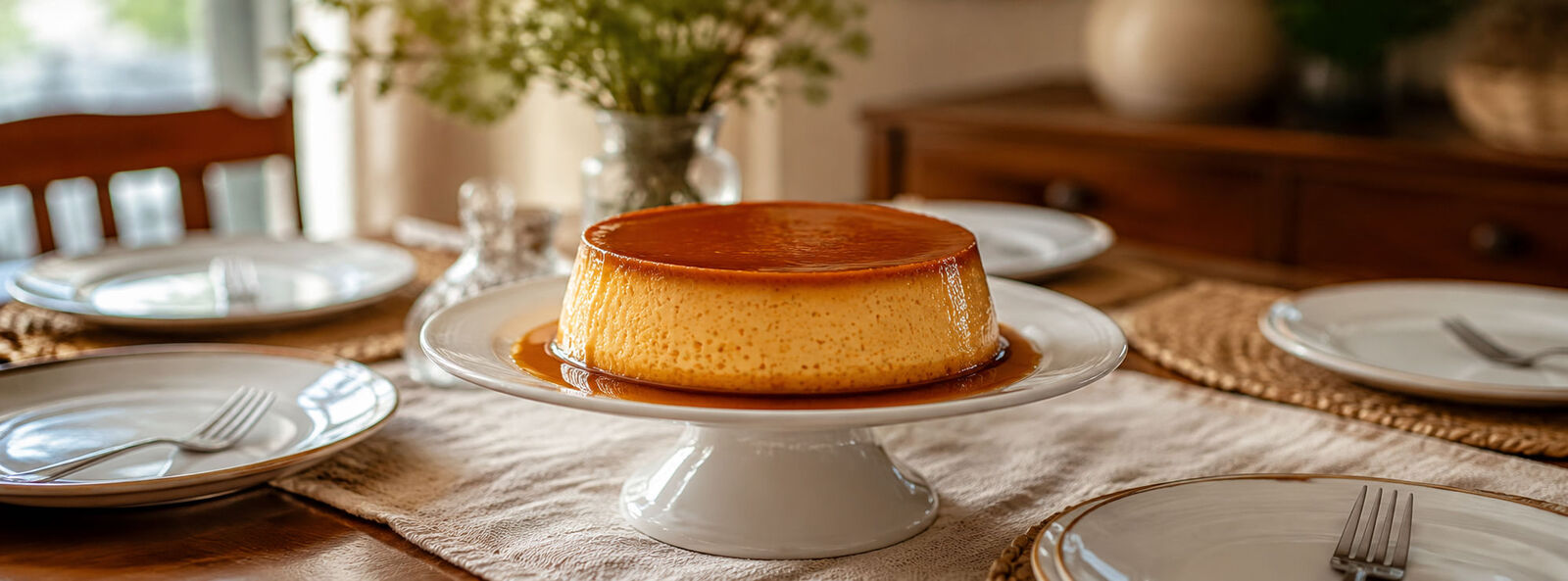
A whole homemade flan with deep caramel sauce, served on a cake stand at a set family dinner table
More Than Cookware

Why Families Continue Choosing Traditional Flan Molds

Walk into enough Mexican or Latin American kitchens around the holidays and you'll notice something: a lot of the flaneras aren't new. They're dented in one spot, a little discolored from years of caramel and hot water, sometimes missing the box they came in decades ago. Nobody replaces them just because they've picked up some character. If anything, that's part of the point.

A real flan mold tends to outlive whatever bakeware trends come and go, because it only really does one job, and it does it well enough that there's never a good reason to switch. It gets used for a christening, then a quinceañera, then somebody's first Thanksgiving hosting the whole family — the same mold showing up at all of it, sitting in the same cabinet in between.

That's really what people are choosing when they pick a real flan mold over whatever's already in the cabinet: not just a better result this one time, but a piece of cookware built to become part of the next twenty years of family dinners, however many hands it ends up passing through.

Choose Your Size

How to Choose the Right Size

All three share the same traditional proportions, aluminum construction, and fitted lid. The only real question is how many people you're feeding.

Globe Rocket Large flan mold with lid
Large · 2.25 qt

Family Gatherings

For the household that's regularly feeding 10 or more.

  • 10–12 servings

$32.99

Globe Rocket X-Large flan mold with lid
X-Large · 2.75 qt

Parties & Celebrations

For potlucks, holidays, and tables that keep growing.

  • Up to 16 servings

$37.99

Still not sure? The Medium is the traditional size used in most Mexican households for an everyday family dessert. If you're regularly serving more than 8, size up to the Large.

Frequently Asked Questions

Flan Molds, Answered

Why use a dedicated flan mold instead of a regular pan?

A traditional flan mold, or flanera, is built to do three jobs a regular pan can't: caramelize sugar directly on the stovetop, seal the custard with a fitted lid during the water bath, and release the finished flan in one clean piece thanks to its tapered shape. A regular pan can bake the custard, but it usually can't do all three.

Can I use a cake pan instead?

You can bake flan in a cake pan, but you'll likely run into two problems a flanera avoids: straight sides that make the flan stick instead of releasing cleanly, and no lid, which leaves the custard's surface exposed to condensation and direct oven heat during the water bath.

Why does the lid actually matter?

The fitted lid shields the custard's surface while it bakes in the water bath, keeping condensation and water droplets off the top and protecting it from the oven's direct heat. It's also what lets one piece of cookware go from stovetop caramel to oven-baked custard without switching dishes.

Why is the mold made of aluminum?

Aluminum heats up quickly and spreads that heat evenly, which is exactly what's needed to caramelize sugar without scorching it and then cook custard gently and consistently. It's also the traditional material — the classic flanera passed down in Mexican and Latin American kitchens has almost always been aluminum.

Can I make cheesecake in a flan mold?

Yes. A flanera's even heat, fitted lid, and water-bath compatibility make it well suited to other custard-style, water-bath desserts like cheesecake, not just flan.

Can I make chocoflan in it?

Yes. Chocoflan, sometimes called “impossible cake,” is traditionally baked in the same type of mold as flan, using the same water-bath method, since it relies on gentle, even heat to set both layers properly.

Do I still need a Baño María if I'm using a flan mold?

Yes. The mold and the water bath work together, not as substitutes for each other. The flanera's lid and shape are designed around being used in a Baño María — skipping the water bath still risks cracks, bubbles, or a rubbery texture even in the right mold.

Is a traditional flan mold good for beginners?

Yes. If anything, it's easier for a first-time flan maker than improvising with a cake pan, because the mold, lid, and recipe are all designed to work together — there's less guesswork about pan shape, covering, or how the water bath is supposed to fit.

Your Turn

The Next Flan Your Family Talks About

Picture the moment: the knife around the edge, the plate on top, the mold lifting away in one clean motion. Amber caramel sliding down the sides. Somebody at the table already reaching for a fork before you've said a word. That's not luck or years of practice — it's what happens when the custard is given the right mold to become itself in.

★ Medium · 1.75 qt

8–10 servings · the traditional everyday size.

$28.99

Buy on Amazon
Large · 2.25 qt

10–12 servings · ideal for larger families.

$32.99

Buy on Amazon
X-Large · 2.75 qt

Up to 16 servings · parties and celebrations.

$37.99

Buy on Amazon
Continue Exploring

More From the Perfect Flan Collection

Globe Rocket Medium Flan Mold · $28.99 Get Yours on Amazon