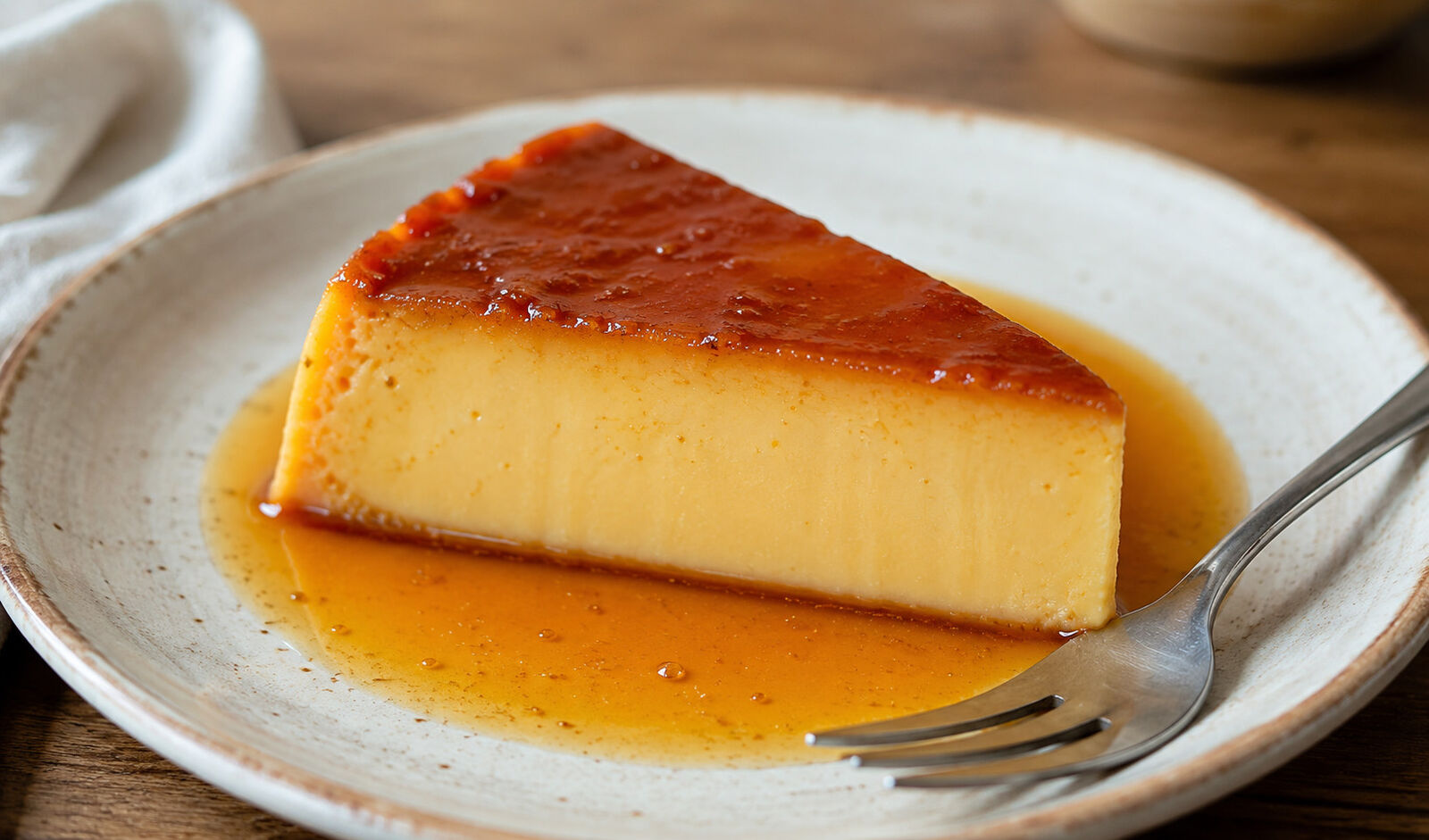
The silky, crack-free flan you remember from your grandmother's table isn't a fluke of talent. It's a traditional tool most modern kitchens simply stopped using.
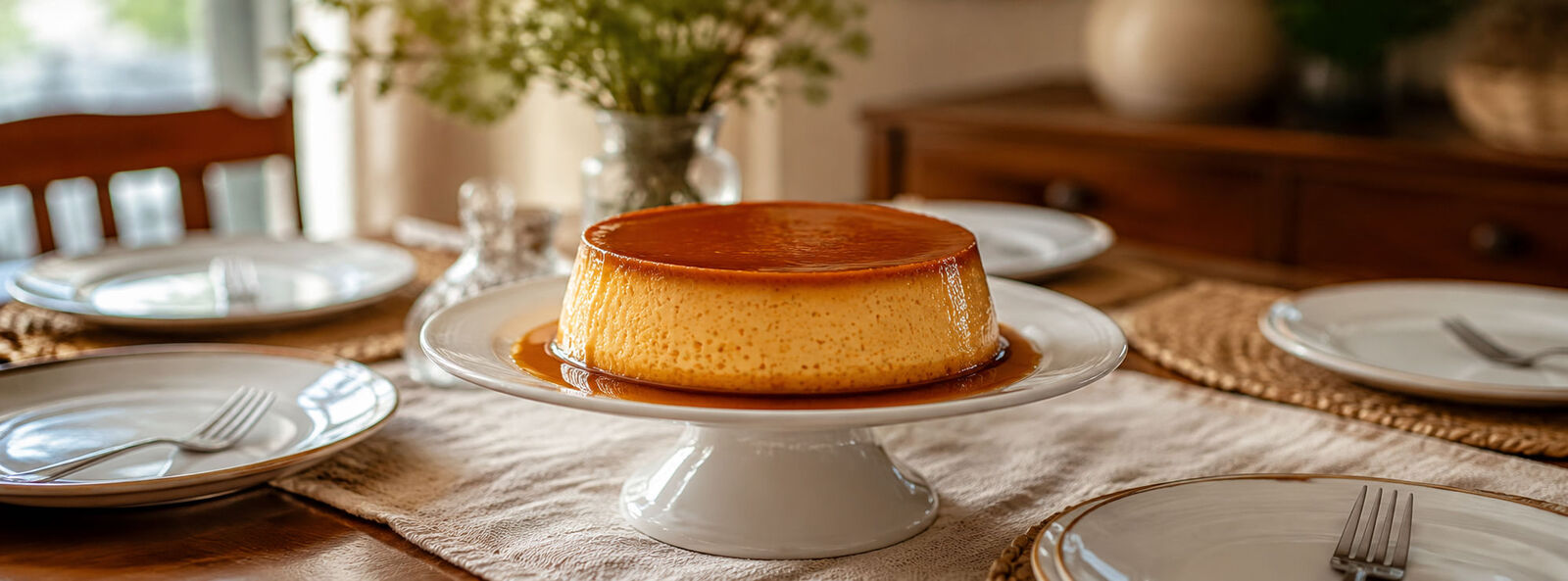
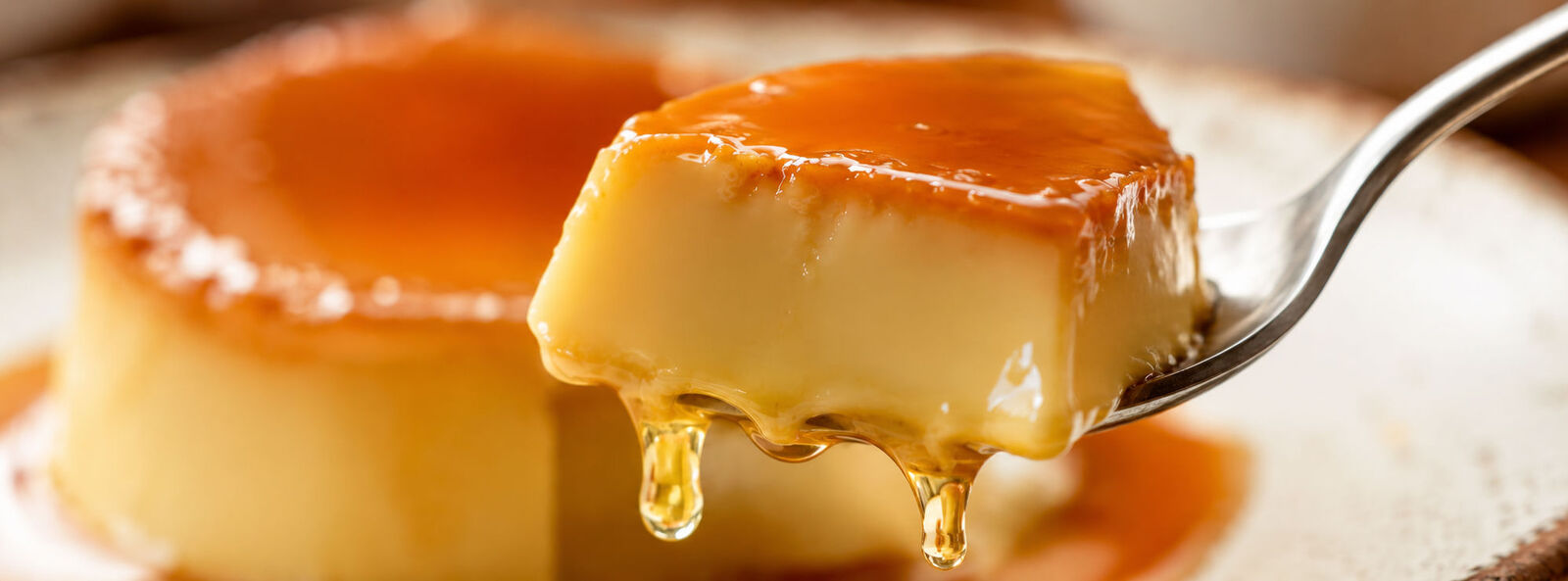
There's a version of flan that lives in almost every family's memory. It sits on a plate with a shine that catches the light. You press a fork into it and it gives instantly — no resistance, no cracks, just a clean slice that releases a pool of deep amber caramel around it.
It shows up at the same moments, year after year: Sunday dinners when the whole family crowds around one table. Christmas Eve, after the tamales are gone and someone finally says it's time for dessert. Birthdays, where the cake gets candles but the flan gets finished first. Reunions where cousins who haven't seen each other in years still argue about whose version is the "real" one.
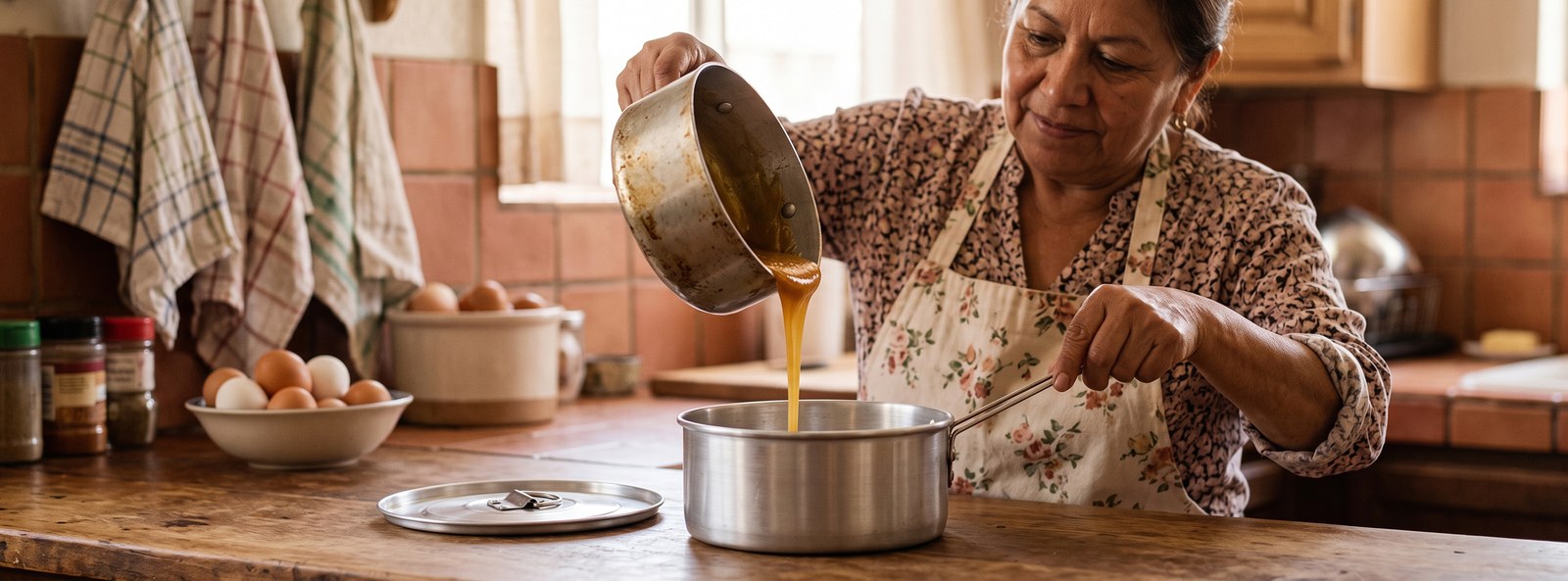
Nobody in the family ever measured anything. The mold got passed from mother to daughter, sometimes literally — the same dented, well-seasoned pan making the trip across town or across the country for every holiday. It wasn't a recipe written down so much as a rhythm everyone just knew.
Most people who try to recreate that flan at home run into the same handful of problems — usually more than once.
The custard splits across the surface, usually from heat that's too direct or too high.
You flip it onto the plate and half of it stays behind in the pan.
The sugar goes from perfect amber to bitter and dark in a matter of seconds.
Instead of silky, the custard turns curdled or slightly scrambled.
Small holes throughout the custard instead of a smooth, dense slice.
The outer ring turns rubbery and dry while the center is still loose.
If any of this sounds familiar, it wasn't your cooking. Almost every one of these problems traces back to the same root cause: a home oven's direct, dry heat hitting a delicate egg custard that was never built to take it. The recipe usually isn't the problem. The setup is.
Here's the part nobody tells you: your grandmother's flan wasn't better because she had a secret ingredient, or because she was simply a better cook than you. It came out perfect because of four things happening at once — three of which have almost nothing to do with the recipe itself.
It's the mold that can caramelize sugar directly and then go straight into a water bath. It's gentle, even heat instead of the oven's direct blast. It's a fitted lid that shields the custard while it sets. And it's patience — giving the flan real time to chill before you even think about unmolding it.
Take any one of those away, and you get one of the problems from the last section. Put all four together, and you get the flan everyone remembers.
Built to go from stovetop caramel to oven-baked custard in one piece of cookware.
Even heat instead of the oven's direct, dry blast.
Seals the custard in during its most delicate stage — the water bath.
Hours of chilling that let the texture finish setting properly.
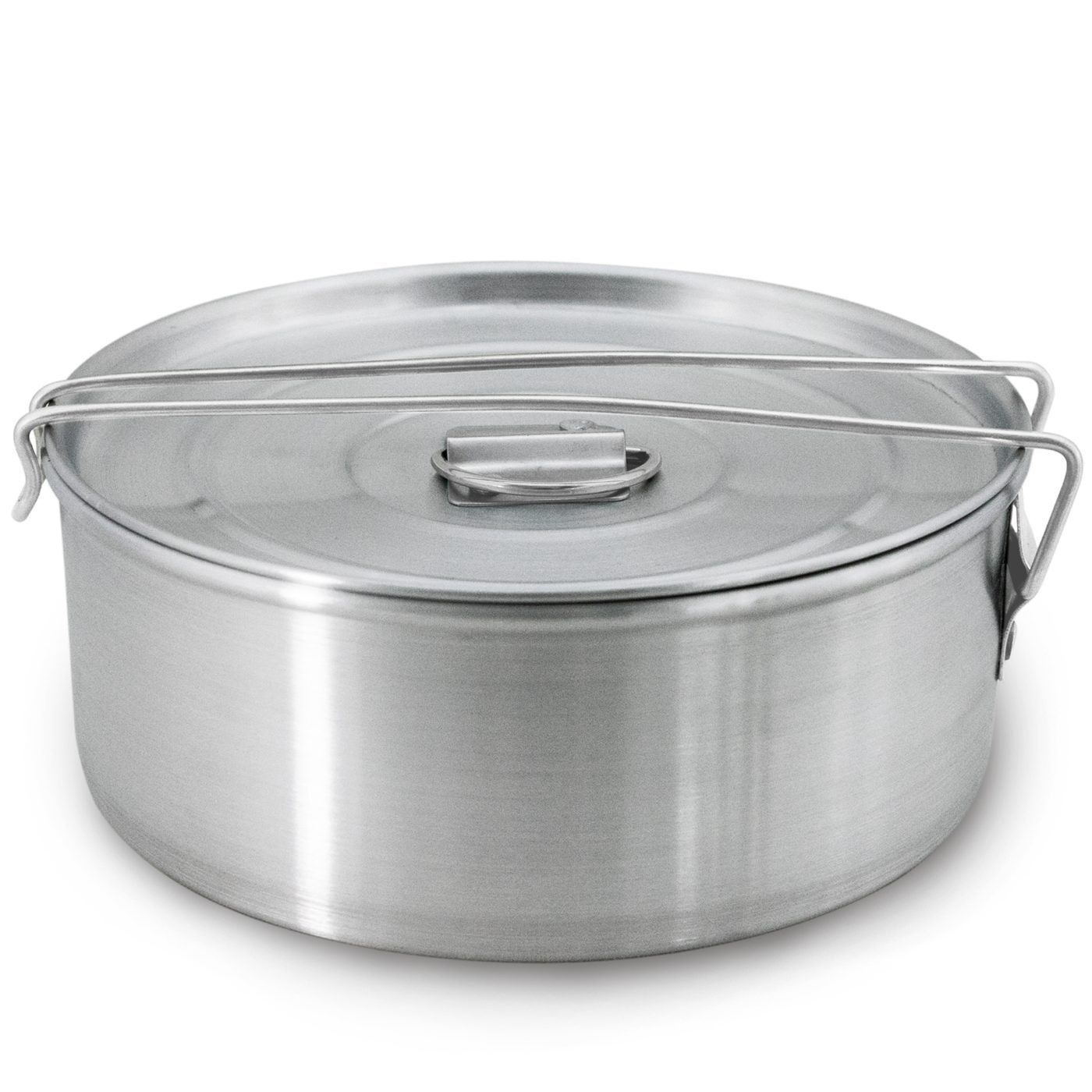
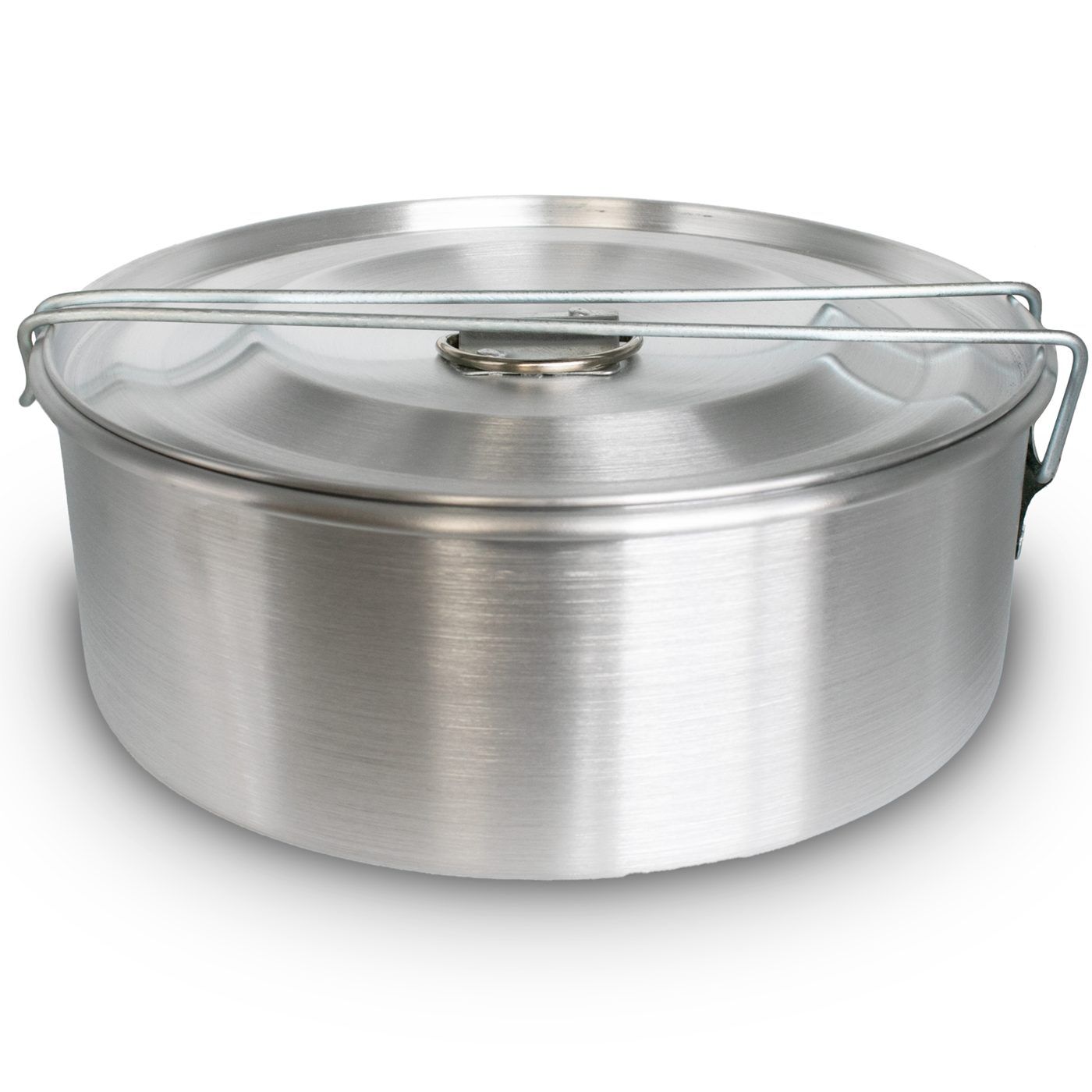
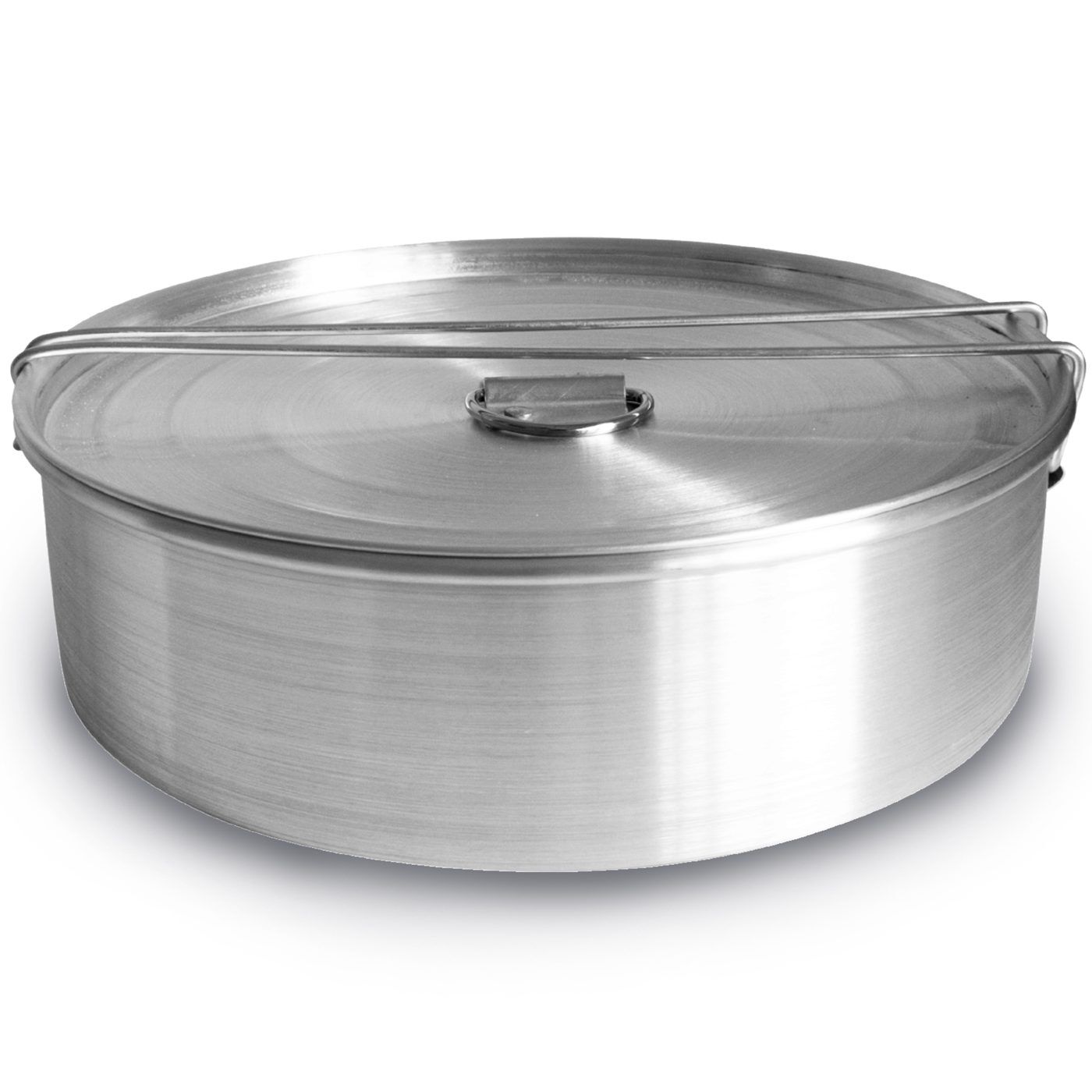
For generations, Mexican and Latin American households have made flan in one specific kind of pan: a round, lidded aluminum flanera, passed down more often than it was bought new. Globe Rocket builds its flan molds around that same tradition — 75% aluminum for fast, even heat, reinforced with galvanized steel, with a fitted lid built for the water bath. No shortcuts, no substitute materials. Just the tool that's always done the job, made to last long enough to become your family's next hand-me-down.
Our favorite starting size — sized for an everyday family dessert.
$28.99
The standard hosting size for family gatherings.
$32.99
Built for potlucks, holidays, and big tables.
$37.99
The flanera's shape hasn't changed in generations because every part of it solves a real problem in making flan.
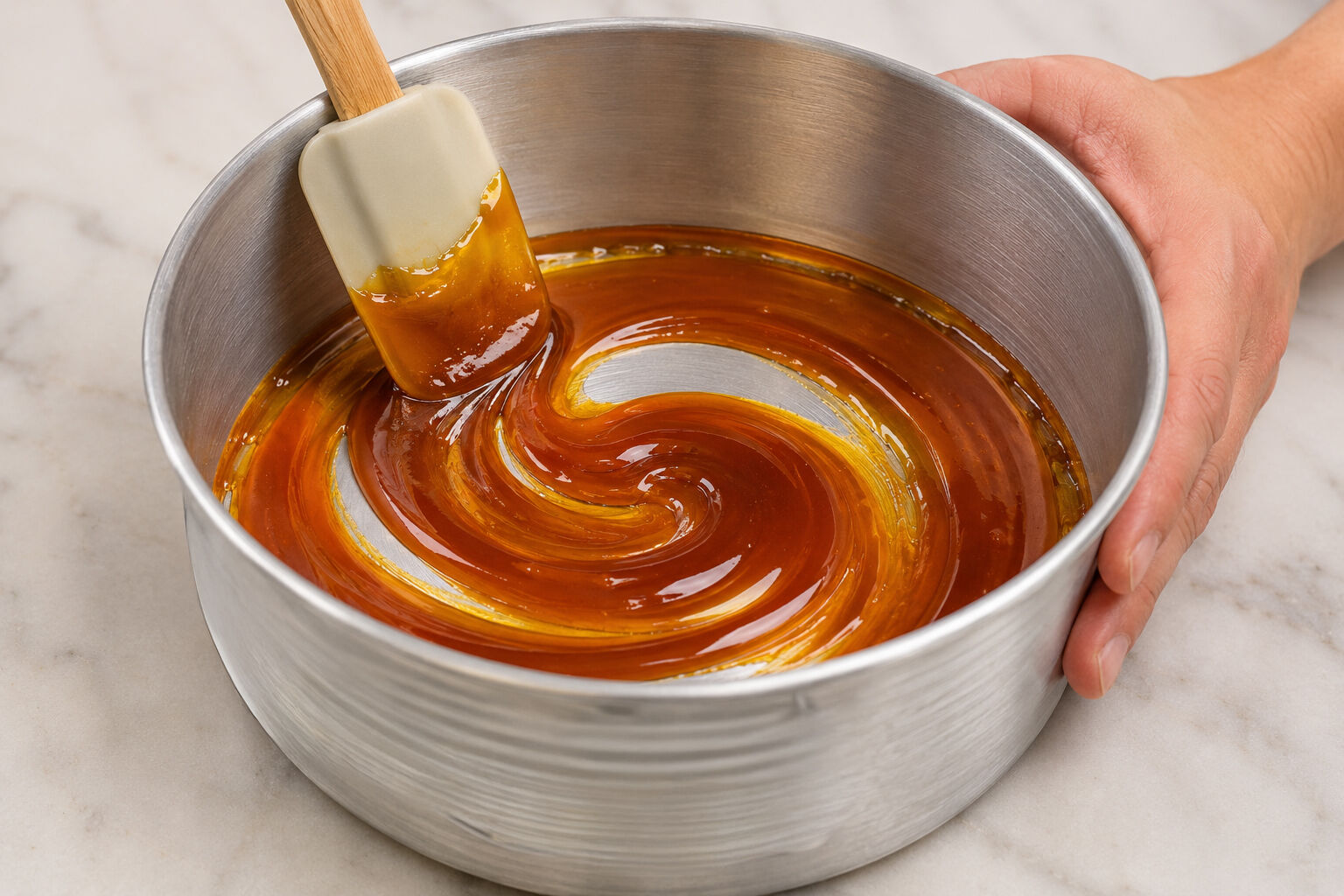
Sugar melts directly in the mold on the stovetop.
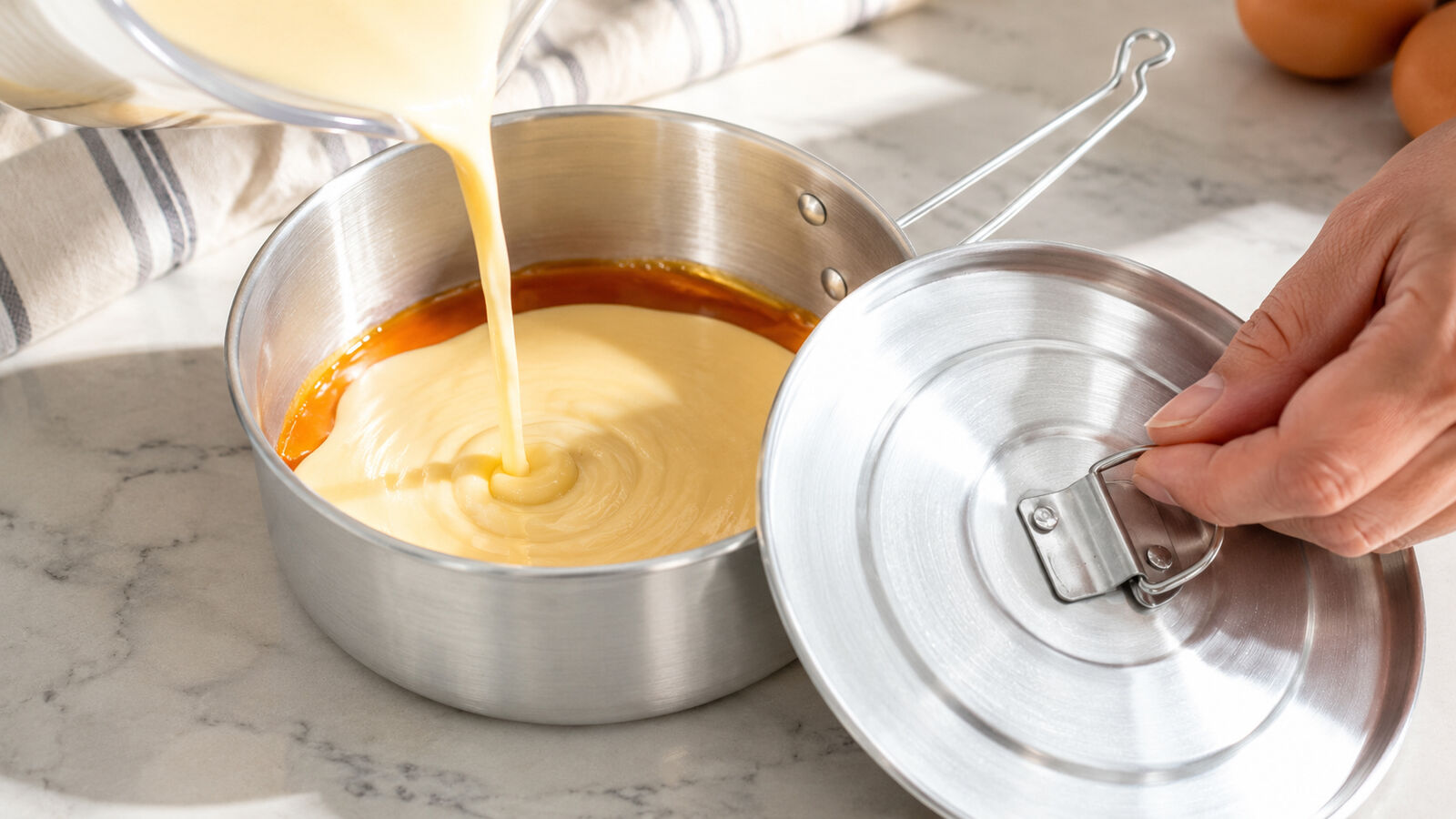
Custard is poured over the cooled caramel.
The fitted lid locks in place before baking.
The mold sits in gently heated water, never direct flame.
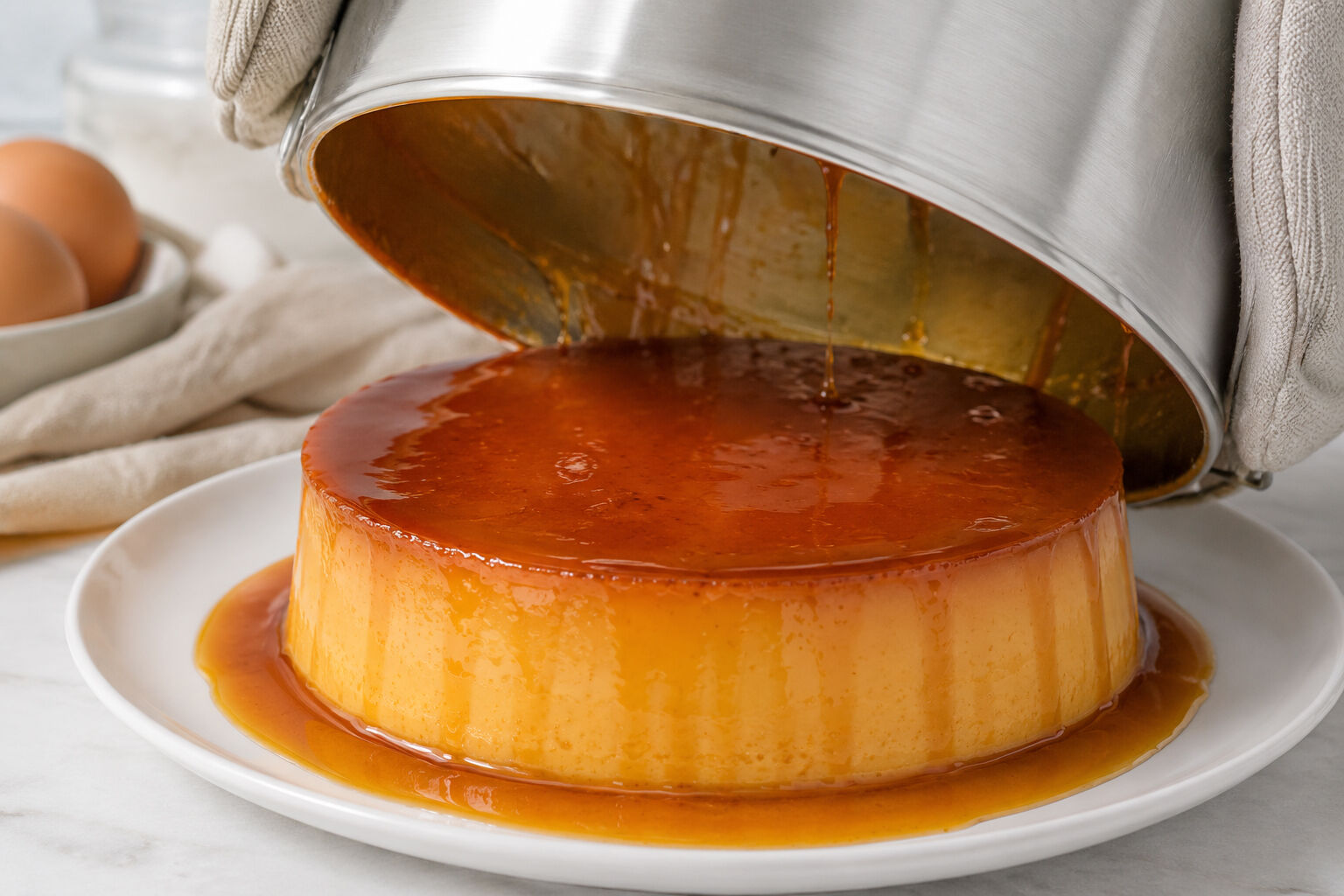
Chilled fully, it turns out clean in one motion.
The tapered sides that have defined the flanera for generations are exactly what let a fully-chilled flan release in one clean motion instead of tearing apart.
Aluminum heats up fast and spreads that heat evenly — exactly what you need to caramelize sugar without scorching it, then cook custard gently and uniformly.
It shields the custard while it bakes in the water bath, and it's the reason one pan can go from stovetop to oven to fridge without a second dish.
Chill it fully, run a knife around the edge, invert — and the caramel does the rest, flowing over a custard that comes out in one clean piece.
Baño María — a water bath — means baking the flan mold inside a larger pan filled partway with hot water. The water absorbs and evens out the oven's heat before it ever reaches the custard, so the eggs set slowly and gently instead of scrambling from direct heat. Skip it, and you're much more likely to end up with cracks, bubbles, or a grainy texture. It's a simple step, but it's the one most home bakers skip — usually because their bakeware wasn't built with it in mind.
This is the classic recipe that comes with every Globe Rocket flan mold — a dense, silky custard finished with deep amber caramel. Every step below is written for the Medium Flan Mold.


Adding the cream cheese gives a denser, tangier result closer to "flan napolitano" — leave it out for a lighter, more traditional texture. Either way, don't skip the water bath; it's what keeps this custard smooth instead of curdled.
This exact recipe scales cleanly — simply use the same ratio of caramel and custard, adjusted for volume, in a Large or X-Large Globe Rocket mold when you're feeding more people.
Get the Medium Flan Mold — $28.99Summarized from verified Amazon customer reviews, not copied word for word.
I bought this pan 3 years ago and it has been a game changer for me. My family loves flans, so I have made dozens since purchasing it. They come out perfectly each time. I plan on purchasing another one so that I can make two at a time.
Loved the mold, I’ve made so many flan. Everyone love it. 100 percent recommended the mold. I am buying another one. Lid keep water out too.
I personally liked the size as it was easy to flip onto a platter. My first flan came out perfectly and tasted delicious. I followed the recipe that came with the mold. I was very happy with my purchase.
Review notice: Reviews are reproduced as written, including original grammar and punctuation. Ratings and review counts reflect each product's Amazon listing at time of publishing and are subject to change — see each listing for current details.
Flan can technically be baked in a lot of things. Here's why bakers keep coming back to the traditional flanera specifically.
| Traditional Flanera | Cake Pan | Glass Baking Dish | Springform Pan | Disposable Foil Pan | |
|---|---|---|---|---|---|
| Caramelizes sugar directly on the stovetop | Yes | No | Not recommended over a burner | No | No |
| Fitted lid for the water bath | Yes | No | No | No | No |
| Shape built for a clean release | Tapered sides, traditional design | Straight sides can stick | Straight sides can stick | Removable ring helps, but no lid | Flimsy, tears easily |
| Safe in a water bath | Yes, by design | Usually, but no lid | Yes, if oven-safe | Seam can let water leak in | Unstable, can buckle |
| Reusable for generations | Built to last, made to be passed down | Yes | Yes | Yes | Single use |
All three share the same 75% aluminum construction and fitted lid. The only real question is how many people you're feeding.
The traditional everyday size — and where we'd start if this is your first flan mold.
$28.99
For the household that's regularly feeding 10 or more.
$32.99
For potlucks, holidays, and tables that keep growing.
$37.99
Still not sure? The Medium is the traditional size used in most Mexican households for an everyday family dessert. If you're regularly serving more than 8, size up to the Large.
Cracks are almost always caused by heat that's too direct or too high — usually from baking without a water bath, or overbaking. A fitted lid and a proper Baño María solve this by keeping the heat gentle and even.
Two things usually cause this: the flan wasn't chilled long enough (aim for at least 4 hours, ideally overnight), or the mold's shape doesn't naturally let go the way a traditional tapered flanera does. Run a knife around the edge before inverting.
Yes. The fitted lid shields the custard while it bakes in the water bath, helping it cook evenly without direct exposure to the oven's heat, and it's what lets one pan go from stovetop caramel to oven-baked custard without switching dishes.
If you want the classic silky, crack-free texture, yes. Without a water bath, flan is far more likely to develop cracks, bubbles, graininess, or uneven cooking because of the oven's direct heat.
Aluminum heats up quickly and spreads that heat evenly, which is exactly what you want for caramelizing sugar and cooking custard gently and consistently. It's also simply the traditional material — the classic flanera passed down in Mexican and Latin American kitchens has almost always been aluminum.
Many home bakers use their flan mold for other custard-style, water-bath desserts beyond flan itself. The same properties that make it ideal for flan — even heat and a fitted lid — apply just as well to similar recipes.
Yes. The Medium is the most popular first flan mold and the size most home bakers start with. It comes with a recipe, and the water-bath method does most of the technical work for you.
Choose the Medium (1.75 qt, 8–10 servings) for everyday desserts, the Large (2.25 qt, 10–12 servings) for family gatherings, or the X-Large (2.75 qt, up to 16 servings) for parties and celebrations. All three share the same aluminum construction and fitted lid.
Picture it: you run a knife around the edge, turn the plate over, and lift the mold away in one clean motion. The caramel spreads out exactly the way it's supposed to. For a second, the table goes quiet — and then everyone reaches for a fork at once. That's not a lucky outcome. That's what happens when the tool is doing its job.
Get the Medium Flan Mold — $28.99Why the water-bath method is what actually keeps flan smooth, crack-free, and evenly set.
Learn more →What a traditional flanera does differently than a cake pan or glass dish — and why it matters.
Learn more →The complete family recipe, plus a full step-by-step visual guide for every stage.
Learn more →A practical guide to matching Medium, Large, or X-Large to your household and how often you host.
Learn more →